As security threats from terrorism and violent extremism persist across the Sahel and parts of coastal West Africa, governments in the region are intensifying cooperation aimed at addressing cross-border instability.
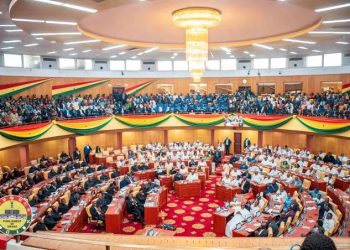
The issue featured prominently during a two-day consultative conference on regional cooperation and security held in Ghana on January 29–30, 2026, where policymakers and security officials discussed the need for stronger coordination to tackle armed groups operating across national borders.
The discussions come at a time when the role of international partners—particularly France—continues to generate debate across the region.
France previously maintained a significant military presence in the Sahel through operations such as Operation Barkhane, launched in 2014 to support regional governments in counter-terrorism efforts. In recent years, however, French troops have withdrawn from Mali, Burkina Faso and Niger following political changes and shifts in security partnerships in those countries.
The evolving relationship has occasionally led to diplomatic tensions. Mali’s authorities recently called for an emergency meeting of the United Nations Security Council, raising concerns about what they described as actions affecting the country’s sovereignty. French officials have rejected such allegations and maintain that their military involvement in the region has been focused on combating extremist groups and supporting regional stability.
Security analysts note that the departure of French forces from several Sahelian states has prompted a broader reassessment of international military cooperation in the region. Some observers argue that local governments are increasingly seeking alternative partnerships and security frameworks, while others say external support remains critical to confronting well-armed militant groups operating across vast and often difficult terrain.
Benin, which has faced increasing attacks from armed groups along its northern borders, has in recent months strengthened security cooperation with international partners.
According to officials, this includes limited deployments and training support aimed at improving the country’s capacity to respond to cross-border threats.
Within the region, views on foreign military involvement vary. Some members of the security community express caution about the effectiveness of past international interventions, while others emphasize the importance of continued collaboration with external partners to address shared security challenges.
As governments across West Africa continue to confront the spread of militant activity beyond the Sahel into coastal states, the debate over how best to structure international security partnerships—and the role of foreign forces in those efforts—is likely to remain an important policy question.