In a move to transform agricultural waste into economic opportunity, WAN-Hive Ghana has launched an initiative to unlock the untapped value of cashew fruit in the Bono Region.
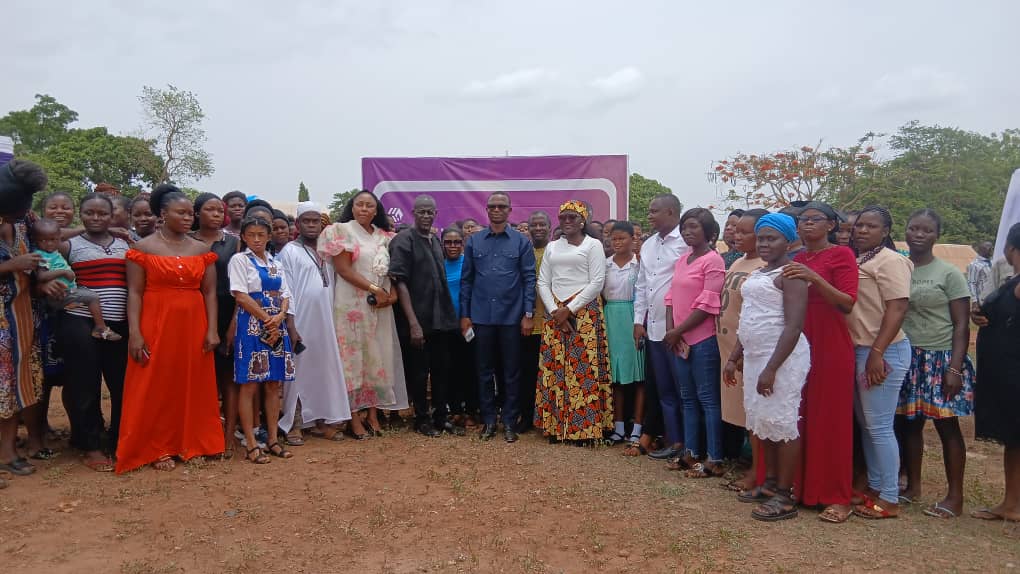
The Cashew Value Addition and Livelihood Empowerment Project (CALEP), unveiled in Suma in the Jaman South District, aims to equip women with practical skills to convert what is often discarded into marketable products, marking a step toward rural industrialisation and women’s economic empowerment.
At the launch, Chief Executive Officer of WAN-Hive Ghana, Janet Issifu, highlighted a long-standing gap in Ghana’s cashew value chain.
 “For years, our focus has been on the cashew nut for export, while the fruit—rich in nutrients and economic potential—goes to waste. CALEP is here to change that narrative,” she said.
Ms Issifu explained that the project, co-funded by the European Union and implemented with partners including GIZ, will train 50 women through a four-month hands-on programme.
Participants will be equipped to process cashew fruit into products such as juice, milk and other value-added derivatives, while also receiving training in modern farming techniques to improve productivity and quality.
“We are not only training women, we are building entrepreneurs. With the right skills, equipment and support, these women can create sustainable businesses and access new markets,” she added.
The Bono, Bono East and Ahafo regions account for an estimated 90 percent of Ghana’s cashew exports, yet much of the fruit is left to waste after the nuts are harvested, representing a significant economic loss.
Delivering a keynote address, Chief Executive Officer (CEO) of the National Entrepreneurship and Innovation Programme, Eric Adjei, described the project as timely and transformative.
 “Communities like Suma are deeply rooted in cashew farming, yet we continue to waste a valuable resource. This project aligns perfectly with government’s vision to build an entrepreneurial culture, especially among the youth and women,” he said.
Mr Adjei reaffirmed government’s readiness to support the initiative, noting that the National Entrepreneurship and Innovation Programme is open to collaboration to ensure its success.
“This is a chance to acquire skills, create businesses and secure your future. I urge every woman here to take full advantage of this intervention,” he added.
Beneficiaries expressed optimism about the programme, describing it as an opportunity to diversify income sources and achieve financial independence.
The launch drew a broad cross-section of the community, including artisans, students, entrepreneurs, government officials and traditional leaders from the Suma Traditional Area, reflecting strong local support.
As Ghana seeks to deepen value addition in agriculture, the CALEP project is being positioned as a model for turning underutilised resources into drivers of growth while placing women at the centre of rural economic transformation.