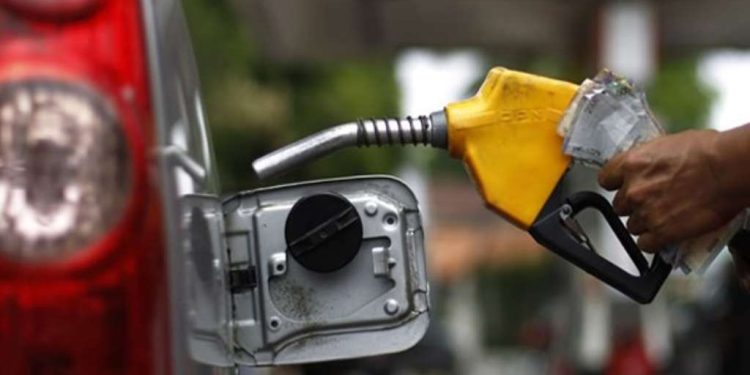
Petrol and LPG ex-pump prices are projected to rise by about 3.01% and 0.90% respectively, while diesel prices are expected to decline by 3.86%, despite increases in international petroleum product prices for the window.
The relatively subdued price movements are the result of a coordinated intervention between government and industry aimed at cushioning consumers from rising global petroleum prices over a period.
In the absence of this intervention, all ex-pump prices would have recorded sharper increases for the pricing window.
This is according to the latest pricing outlook by the Chamber of Oil Marketing Companies (COMAC) for the second pricing window of April.
COMAC notes that global crude oil prices continue to surge in 2026, rising from an average of $109.66 per barrel to $129.80 per barrel, representing an 18.37% increase.
The resumption of flows through the Strait of Hormuz remains a critical factor in easing pressure on energy supplies, prices, and the global economy.
Consequently, international petroleum product prices have increased for the seventh consecutive pricing window since January 2026. LPG recorded the highest increase at 9.38%, followed by diesel at 6.98% and petrol at 2.77%.
The outlook also highlights a slight depreciation of the cedi against major trading currencies. For the April 16 pricing window, the cedi weakened from GH¢11.05 to GH¢11.13 per US dollar, representing a 0.74% dip.
The report further acknowledges government intervention ahead of the second pricing window of April.
Effective April 16, selected taxes, levies and regulatory margins within the petroleum price build-up have been revised downward under a coordinated effort between government and industry.
As part of the measure, statutory margins for key products, particularly petrol and diesel, have been reduced to moderate the impact of rising global prices on ex-pump prices.
The intervention reflects a short-term burden-sharing approach between government and industry players to ease price pressures on consumers while maintaining market stability.
Government announced a GH¢2.00 per litre reduction on diesel and a GH¢0.36 per litre reduction on petrol, effective Thursday, April 16.
The move is part of broader measures to cushion consumers at the start of the second pricing window, amid sustained pressure from rising international petroleum prices.
The temporary intervention will remain in place for one month, with authorities expected to review developments in the global oil market before determining any further policy action.
Meanwhile, petrol and diesel consumers could see some relief under new price floors set for the pricing window.
Petrol is expected to sell at a minimum of GH¢13.27 per litre, marginally down from GH¢13.30 per litre in the first pricing window of April.
Diesel is set for a more significant drop, with the price floor reduced to GH¢16.10 per litre from GH¢17.10 previously.
In contrast, the price floor for Liquefied Petroleum Gas (LPG) has increased slightly to GH¢10.79 per kilogram, up from GH¢10.71 per kilogram in the previous window.
Under Ghana’s petroleum pricing guidelines, the price floor represents the minimum price at which Oil Marketing Companies (OMCs) and LPG Marketing Companies (LPGMCs) are permitted to sell fuel products.
The price floors exclude premiums charged by International Oil Trading Companies (IOTCs), as well as the operating margins of Bulk Import, Distribution and Export Companies (BIDECs), and the marketers’ and dealers’ margins.
These components are determined independently by the companies in line with the Petroleum Products Pricing Guidelines.