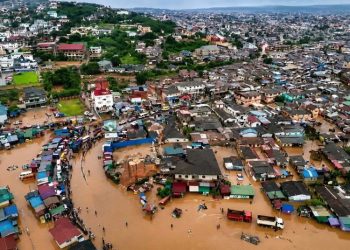
The Ghana Medical Association (GMA) has called on President John Dramani Mahama to take what it describes as “tough and decisive” actions to bring lasting solutions to Ghana’s recurring flooding crisis, warning that the perennial problem has become a major public health emergency.
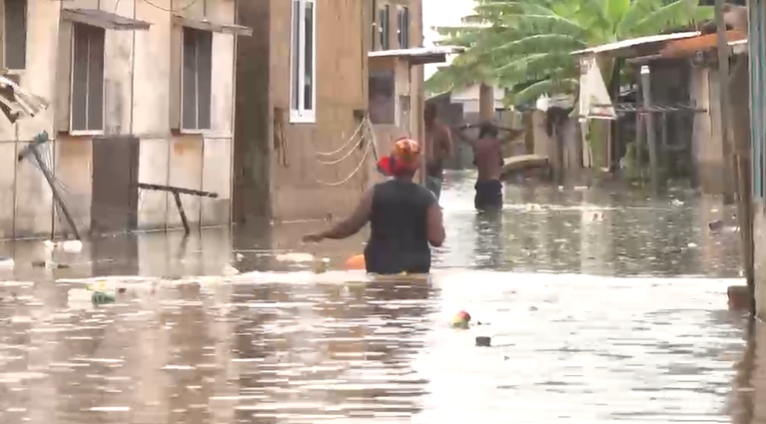
In a statement signed by its President, Prof. Dr. (Med.) Ernest Yorke, and General Secretary, Dr. (Dent.) Richard Selormey, the Association said the increasing frequency and severity of floods continue to claim lives, displace thousands of people, destroy property and livelihoods, disrupt transportation networks, interrupt emergency healthcare services, and heighten the risk of disease outbreaks.
“We urge the President to take tough and decisive decisions and actions that will bring significant and lasting solutions to the perennial flood situation in Accra and other communities,” the statement said.
The GMA noted that while Accra has experienced major flooding incidents over the years, the problem has increasingly spread to other parts of the country, with recent floods affecting the Greater Accra, Central, Western and Volta regions.
The GMA attributed the recurring floods to a combination of inadequate and poorly maintained drainage systems, rapid urbanisation, deforestation, climate change, poor waste disposal practices, encroachment on wetlands and natural watercourses, illegal mining activities, political interference, weak enforcement of zoning and building regulations, limited public education, and infrastructural deficiencies.
It said the situation is further compounded by the approval of illegal developments in flood-prone areas, inadequate funding and manpower for monitoring and enforcement, insufficient legal sanctions to deter violations, and inadequate equipment and logistics for emergency rescue operations.
The Association urged government to strengthen drainage infrastructure through regular maintenance and expansion of stormwater systems, strictly enforce land-use planning regulations to prevent developments in flood-prone areas, and intensify public education on flood preparedness, environmental sanitation and proper waste disposal.
It also called for integrated urban planning, stronger accountability mechanisms in flood prevention programmes, and the depoliticisation of flood management.
According to the GMA, public officials and other actors who facilitate or permit illegal developments that endanger public safety should be held accountable.
The Association further appealed for increased investment in emergency response institutions, including the National Disaster Management Organisation (NADMO), the Ghana National Fire Service, hospital emergency departments and the Department of Social Welfare, to improve preparedness and response during flood-related emergencies.
It also advised residents in flood-affected communities to observe proper public health measures, including washing hands regularly with soap under running water, drinking safe water, eating freshly prepared hot meals, disposing of waste properly and seeking prompt medical attention if they develop diarrhoea or other symptoms of illness.
Read Also: