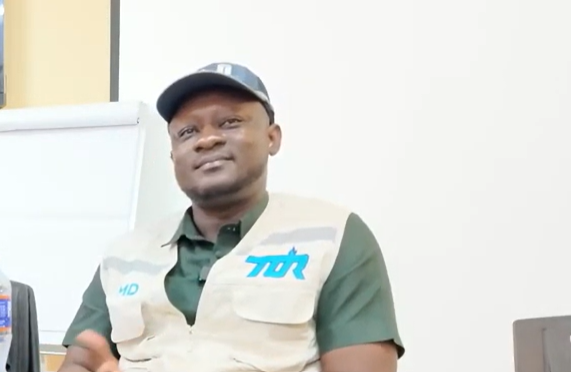
Managing Director (MD) of the Tema Oil Refinery (TOR), Edmond Kombat, has detailed the scale of decline at the state-owned refinery in recent years and the efforts underway to restore operations, describing the situation he met as “depressing” and near collapse.
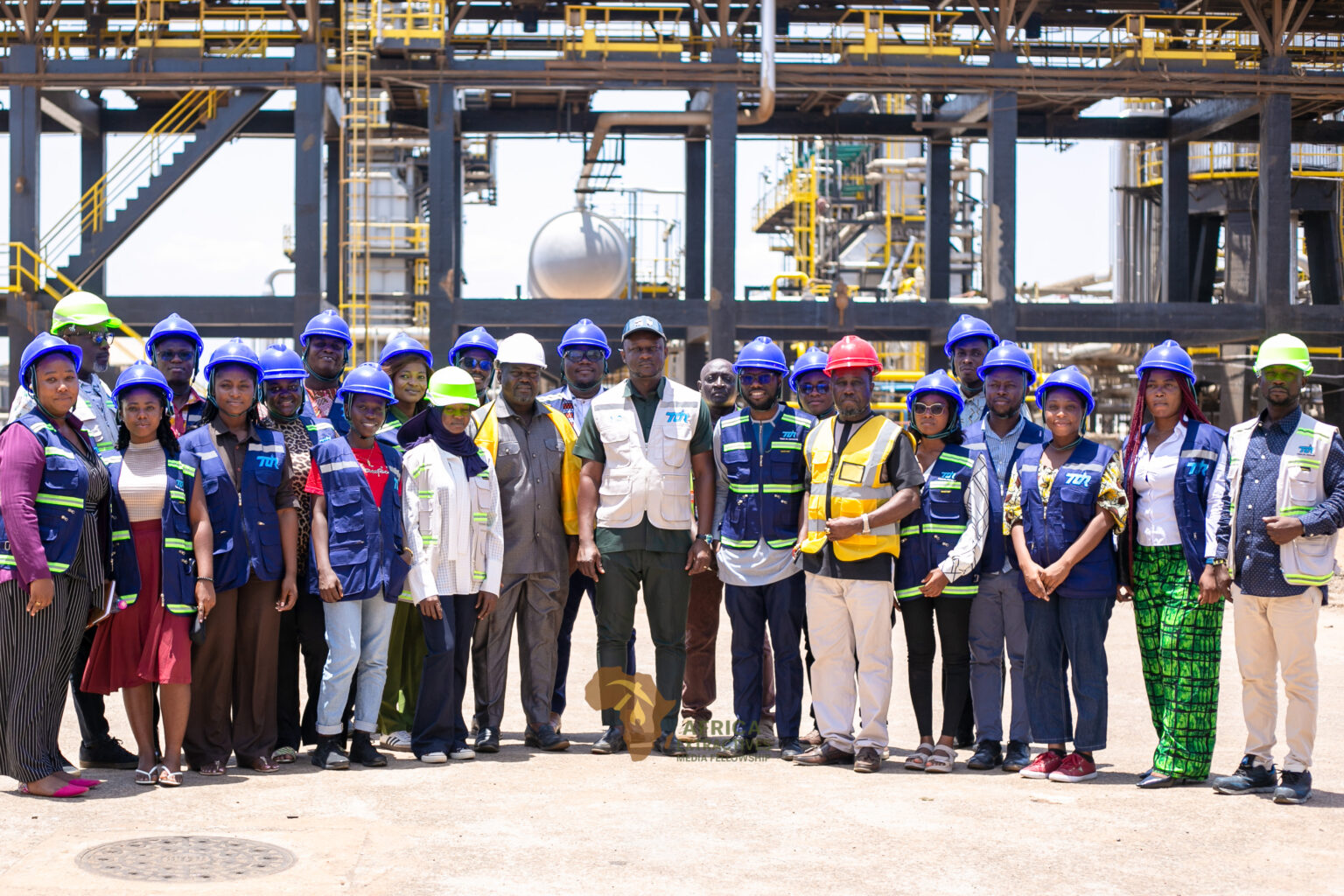
Speaking during a tour of the facility by fellows of the Africa Extractives Media Fellowship on Thursday, March 26, Kombat said the refinery had once been stabilised before falling back into deep financial and operational distress.
He noted that between 2015 and early 2017, the refinery’s debt was reduced significantly from about $650 million to $300 million, following a restructuring backed by the Energy Sector Levies Act.
According to him, about $300 million from the levy was used to settle debts owed to four banks that were at risk due to TOR’s liabilities.
Kombat said by the time power changed hands in January 2017, the refinery had refined about seven million barrels of crude, including output from Ghana’s TEN fields, and still had about one million barrels in storage. He added that key infrastructure, including an offshore mooring facility and new equipment such as a furnace and boiler, had also been secured to support operations.
However, he said conditions deteriorated in the years that followed. By the time the current management assumed office, TOR’s debt had risen again to about $517 million, while refining activities had completely halted.
“We met a refinery that was not refining. There was nothing going on. All the various plants were not maintained,” he said.
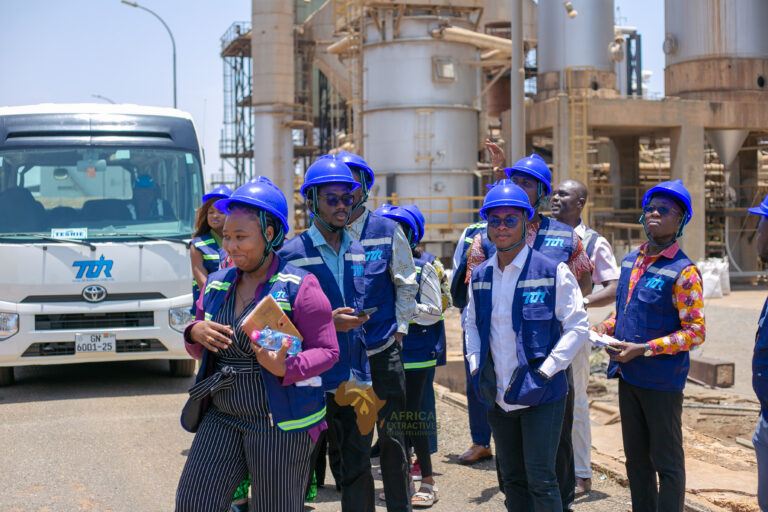
He further revealed that the refinery had accumulated losses of about GHS10 billion between 2017 and 2024, operated without audited accounts for six years, and owed significant sums to institutions including the Ghana Revenue Authority, SSNIT, ECG and Ghana Water, as well as unpaid staff benefits.
Kombat also questioned the use of proceeds from the offshore mooring facility, which he said generated about $54 million in dividends over eight years, but whose utilisation remained unclear.
Describing internal conditions, he pointed to staff attrition, divisions within the workforce and declining morale. “The place was so depressing that it almost looked like there was no way out of it,” he said.
Despite these challenges, Kombat said management adopted a recovery strategy focused on rebuilding staff confidence and improving internal operations without relying on government funding. He disclosed that more than 300 staff petitions over delayed promotions were reviewed, with most deserving cases addressed and salaries increased by about 10 percent.
To generate revenue, the refinery extended operating hours at its loading gantry and attracted private petroleum companies and regional partners to store and lift products at the facility. He said restoring trust with clients helped improve cash flow.

Kombat noted that the refinery’s critical crude distillation unit was prioritised for repairs using internally generated funds. He said staff worked to restore operations without external financial support.
“Within a very short period of time, the workers of TOR, without any external support, worked and brought the refinery back on stream,” he said.
According to him, the refinery resumed operations on December 19, 2025, with petroleum products already being processed and stored. Work is also ongoing to restore out-of-service storage tanks and modernise key infrastructure, including the loading gantry.
He said the current focus is to sustain operations and complete ongoing rehabilitation works as part of broader efforts to reposition the refinery.
![Archbishop of Canterbury, Sarah Mullally [seated] -Photo credit Neil Turner / Lambeth Palace](https://www.citinewsroom.com/wp-content/uploads/2026/07/ARCH-22-350x250.png)