The African Institute for Mathematical Sciences (AIMS) Network has launched Africa Science Week 2026 across seven African countries, with renewed calls for greater investment in practical STEM education systems and infrastructure.
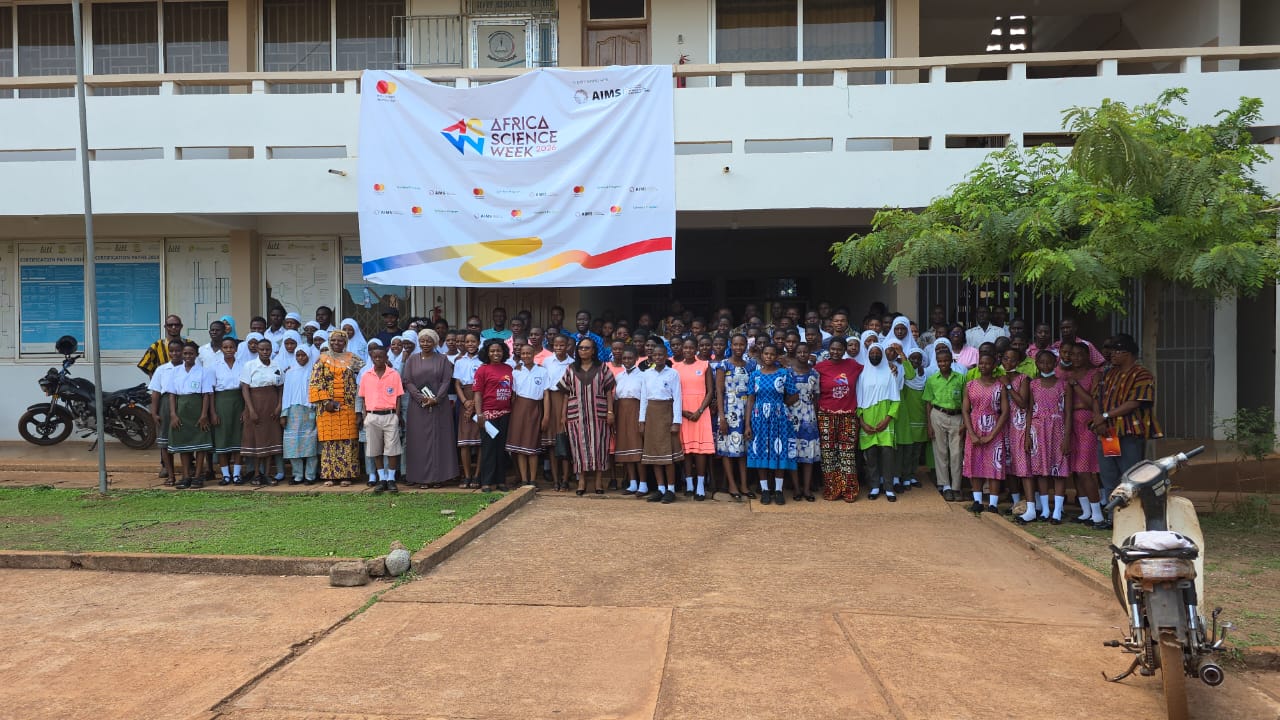
The continent-wide initiative was officially launched at Tamale Technical University and aims to promote science, technology and innovation through public engagement activities across Africa.
The programme, which runs from May 14 to May 30, 2026, is being organised by AIMS Alumni and is taking place simultaneously in South Africa, Cameroon, Rwanda, Ghana, the Democratic Republic of the Congo, Nigeria and Ethiopia.
In its second edition, Africa Science Week is themed “Harnessing Science and Innovation for Africa’s Sustainable Future” and seeks to strengthen collaboration among researchers, students, educators and industry players.
Activities lined up for the programme include science exhibitions, coding workshops, robotics demonstrations, Women in STEM forums, science practicals using locally available materials and academic exchange programmes.
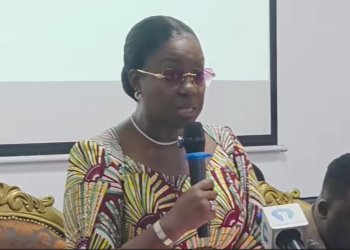
Speaking at the launch at the Tamale Technical University (TaTU), on Thursday, May 14, the Director of the AIMS Industry Initiative and Future of Science Forum, Charles Lebon Mberi Kimpolo, said the initiative was designed to take scientific discussions beyond academic institutions and into communities where science can create real impact.
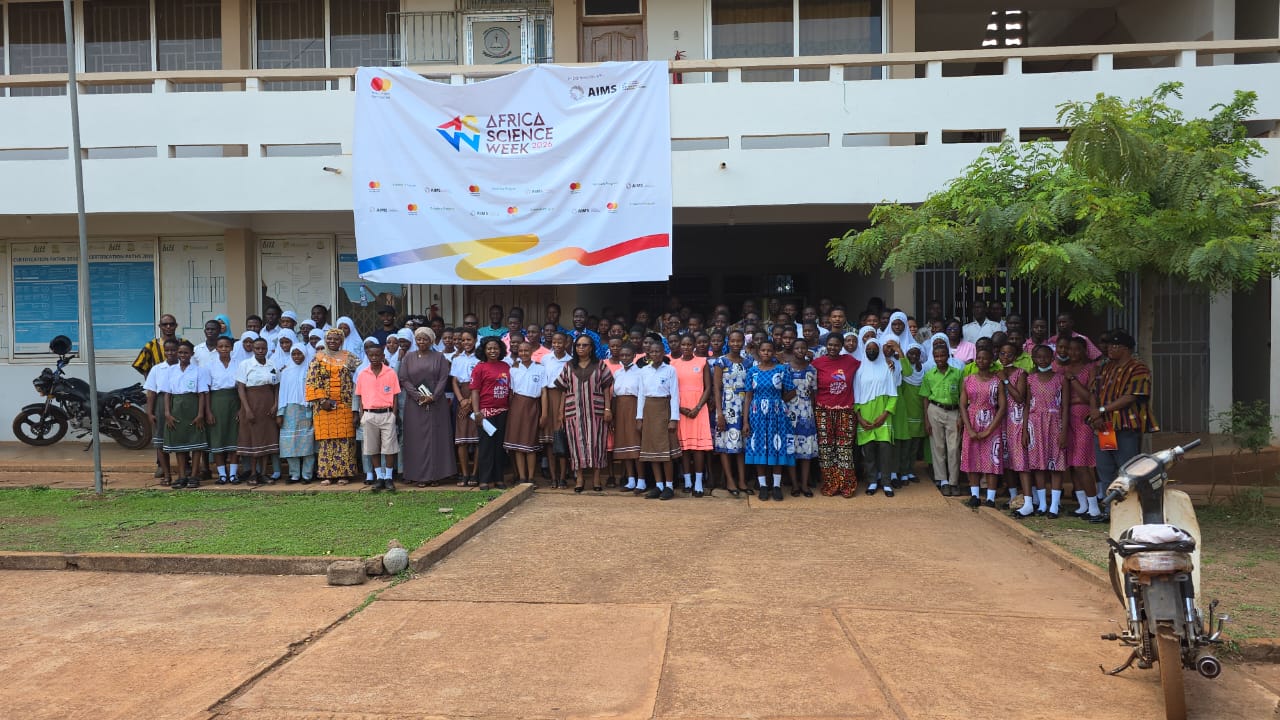
He said the programme reflects AIMS’ commitment to promoting dialogue between scientists, young people, educators and industry through locally driven activities coordinated by AIMS Alumni.
President of the AIMS Network, Sam Yala, also stressed the importance of community leadership and social responsibility among the institution’s graduates.
According to him, the initiative demonstrates AIMS Alumni’s responsibility to contribute meaningfully to the development of their communities through science and innovation.
He added that participating countries were allowed to tailor their programmes to address local scientific priorities and community needs.
Meanwhile, Professor of Chemical Engineering at TaTU, Abdul Rauf Ibrahim, called on governments and stakeholders to invest in practical STEM systems and infrastructure to make science education more effective and attractive to young people.
He noted that although many African countries have STEM policies, implementation remains weak due to inadequate laboratories, limited research facilities and insufficient practical training opportunities.

According to Prof. Ibrahim, science education across many institutions remains overly theoretical, making it difficult to produce innovative and industry-ready graduates.
He therefore urged authorities to “walk the talk” by investing in modern laboratories, research facilities and hands-on training systems to strengthen STEM education delivery.
Africa Science Week 2026 is expected to conclude on May 30 after a series of activities aimed at promoting scientific awareness, innovation and collaboration across the continent.