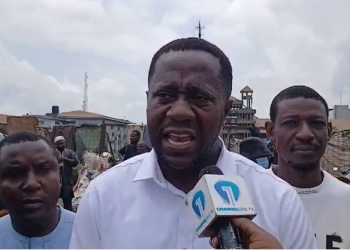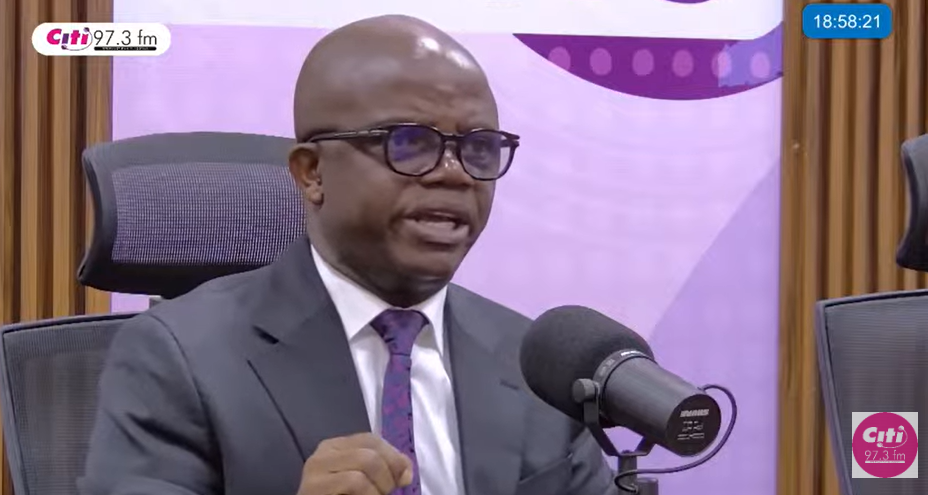
Former Deputy Finance Minister and Member of Parliament for Nhyiaeso, Stephen Amoah, has outlined a series of economic reforms he believes Ghana must implement to avoid returning to another bailout programme with the International Monetary Fund.
His comments come amid ongoing discussions on fiscal sustainability following Ghana’s exit from the IMF-supported programme and transition to the Policy Coordination Instrument (PCI).
Speaking on Citi Eyewitness News programme, Dr Amoah argued that Ghana’s economic difficulties require deep structural reforms rather than blanket expenditure cuts, insisting that spending controls must be backed by proper economic analysis.
“There are so many fundamental anomalies that we need to fix first. The way we even embark on expenditure control, to me, I disagree. You cannot just wake up and say you are cutting expenditure by 30%—by what econometric analysis?” he questioned.
He warned that indiscriminate cuts in spending could weaken economic activity if not strategically targeted, urging policymakers togovernment assess which sectors and expenditures are critical to national growth.
“Which of the items do not have strong correlation with our GDP such that when we cut them it won’t impact us?” he asked.
Dr Amoah also raised concerns about government borrowing on the domestic market, arguing that high interest rates continue to crowd out private sector investment and undermine productivity.
“Governments most of the times borrow on our domestic market at a high rate than the private sector; this thing is destroying this country,” he stated.
He further identified corruption, wastage and inefficiencies across public institutions as major structural weaknesses threatening long-term economic stability.
“Wastage, corruption at all levels and in all departments,” he added.
The Nhyiaeso MP stressed the need for urgent investment in agriculture to reduce Ghana’s dependence on imports, particularly goods that could easily be produced locally.
“We need to quickly come back and deal concisely with issues of agriculture to the extent that importation of even fruit juice that won’t require complex value chains we deal with them,” he said.
According to Dr Amoah, these reforms are necessary to strengthen the economy, reduce vulnerabilities and help Ghana avoid any future return to IMF support programmes.
Analysis: Ghana ends $3bn bailout but remains under IMF oversight until 2029