Dr. Richmond Atuahene, a banking consultant, has raised concerns about the financial burden posed by some state-owned enterprises (SOEs) following the government’s decision to transition to the International Monetary Fund’s Policy Coordination Instrument (PCI).
According to Dr Atuahene, non-strategic SOEs should be privatised to prevent further losses from adding to Ghana’s public debt.
His comments come after the successful completion of Ghana’s Extended Credit Facility programme with the IMF, after which the government announced plans to engage the Fund under the PCI framework.
Government officials say the PCI arrangement is a non-financing programme intended to provide technical assistance, policy coordination and market confidence support without direct financial disbursement from the IMF.
They also maintained that the arrangement is expected to support Ghana’s broader ambition of attaining investment-grade status over the medium term.
According to the government, achieving investment-grade ratings could lower borrowing costs for both the government and the private sector, attract long-term investors, boost foreign direct investment and improve access to cheaper financing for infrastructure and private sector development.
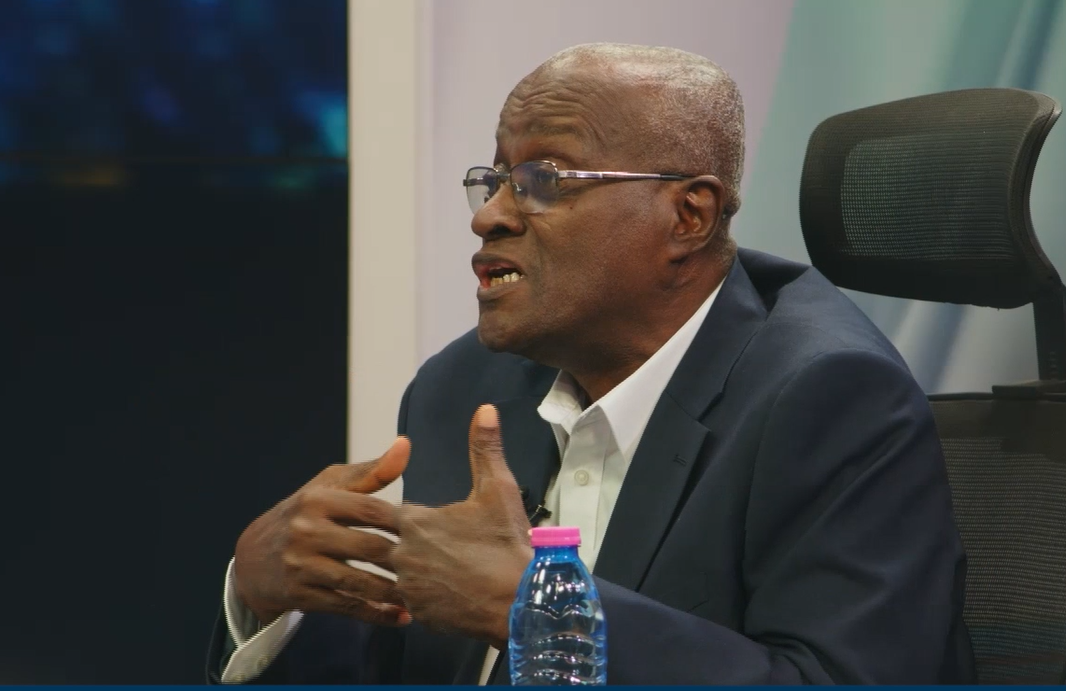
Speaking during an interview with Bernard Avle on Channel One TV’s The Point of View on Monday, May 18, 2026, Dr Atuahene questioned why Ghana continues to maintain loss-making SOEs instead of privatising them.
“Some of the SOEs are making huge losses; any losses from the SOEs translate into fiscal imbalance and public sector debt. We should be looking at some of the non-strategic SOEs and privatising them as soon as possible,” he stressed,” he said.
He cited entities such as GIHOC Distilleries Company Limited and state transport as examples of state institutions that should be operated by the private sector.
“GIHOC, state transport and others should all be in the private sector. Why do we spend money on them?” he questioned.
Dr Atuahene further argued that private transport companies were demonstrating greater efficiency than some state-owned entities.
“If OA and VIP are making good money, then you hear that state transport, you cannot even book online. What a hell. Let’s get rid of some of the SOEs and make them efficient so that we don’t have to come and sit down and talk about public sector debt,” he added.
He also suggested that resistance to reforming some SOEs was rooted in outdated state-led economic thinking dating back to the post-independence era.