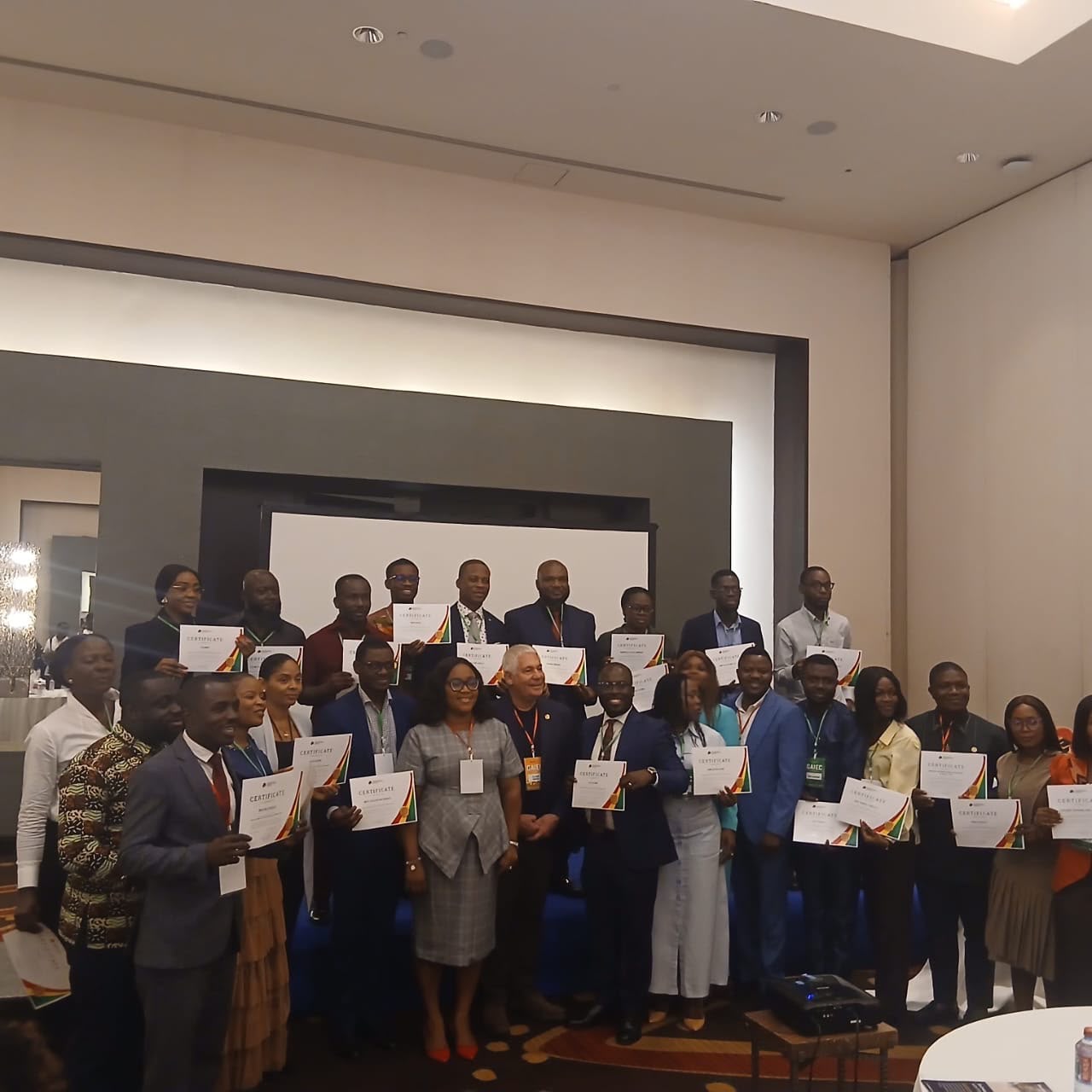
The Ghana Association of International Educational Consultants (GAIEC) has urged students and parents seeking educational opportunities abroad to engage only accredited and regulated education agents to avoid fraud, misinformation, and costly mistakes.
President of GAIEC, Richard Obeng Asuming, said the association was established to unite education recruitment professionals, promote ethical standards, and enhance the quality of international education consultancy services in Ghana.
He made the call at the launch of the association in Accra on Thursday.
He said education had transformed his life and inspired him to help others access quality educational opportunities.
He explained that GAIEC is a non-profit organisation dedicated to training, equipping, and supporting education consultants to provide professional services while safeguarding the interests of students, international education partners, policymakers, and other stakeholders.
According to him, the association was created to promote accountability and oversight within the education recruitment industry and to ensure that consultants adhere to professional and ethical standards.
Mr Asuming said members are required to comply with data protection regulations, maintain client service agreements, operate professional websites and physical offices, and uphold transparent business practices.
He noted that the association regularly organises training programmes to keep members informed about international education trends, immigration policies, and best practices in student recruitment.
The President said GAIEC remained committed to combating misinformation, unethical conduct, and exploitation within the study-abroad sector through strict standards anchored on honesty, professionalism, transparency, and accountability.
He announced plans to establish an advocacy and complaints mechanism through which students and parents could report concerns or unethical conduct by education consultants for redress.
Mr Asuming urged prospective students and parents to seek guidance from accredited consultants rather than unregulated operators who might provide misleading information.
Dr Owusu Boakye, Founder and Chief Executive Officer of Toptter Study Abroad Consult, emphasised the need for students and parents to engage certified and accredited agents when pursuing international education opportunities.
He explained that accredited agents receive regular training and updates on immigration policies, admission requirements, and developments within the sector, enabling them to provide accurate and reliable information to clients.
Dr Boakye cautioned against dealing with unregulated agents whose primary interest might be financial gain rather than the welfare of students.
He also underscored the importance of verifying the accreditation status of both institutions and academic programmes before enrolment.
Managing Director of EduSol, Joyce Appiah Agyemang, observed that scholarships are not automatically available to all students but are awarded based on strict eligibility criteria.
She warned against the misconception that students can fully finance their education through part-time employment abroad, noting that such assumptions often lead to financial difficulties.
Madam Agyemang said obtaining a visa is only one stage of the study-abroad process and that students require adequate preparation for immigration interviews, travel requirements, and cultural adaptation.
Robert Wagubi, Co-founder of the Professional Association of International Education Consultants in Uganda, identified accountability, professionalism, honesty, and transparency as the four core values that should guide the work of certified agents.
He said professional agents provide comprehensive support beyond admissions, including assessing students’ academic qualifications, financial readiness, and career goals, while helping them navigate visa applications and scholarship opportunities.