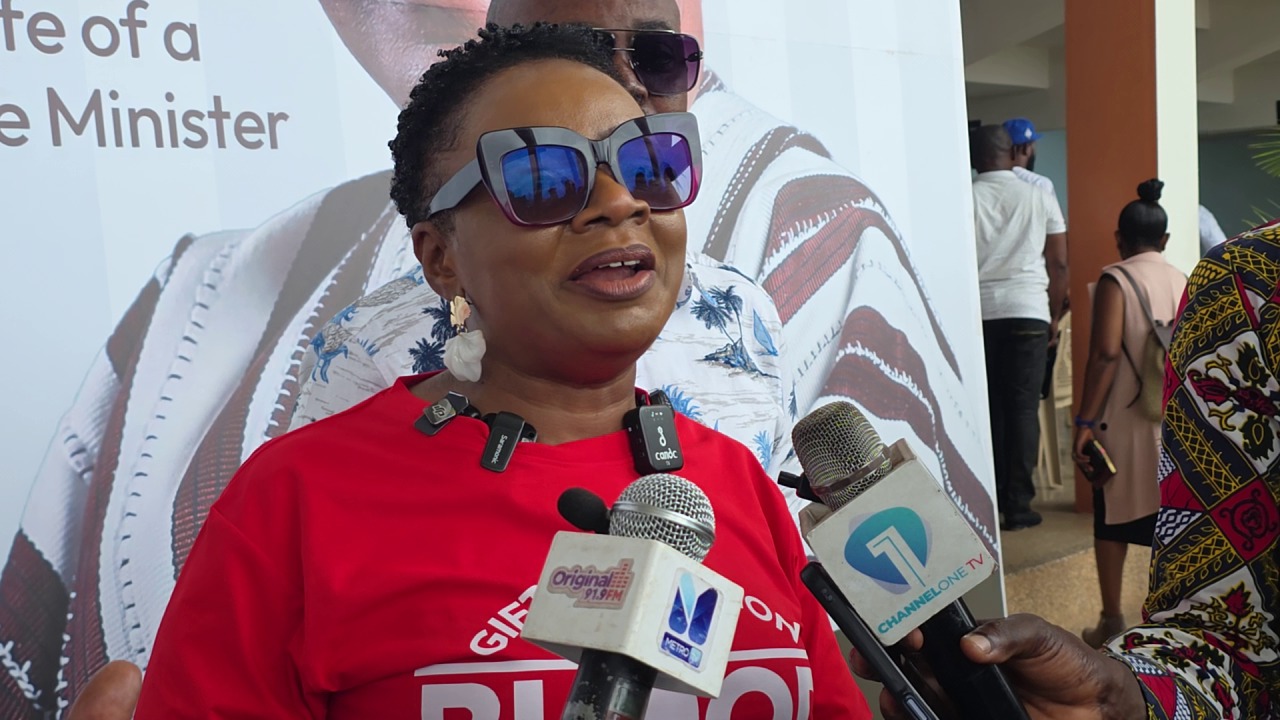
The Chief Executive Officer (CEO) of the National Blood Service (NBS), Dr. Shirley Phyllis Owusu-Ofori, has lauded the General Overseer of Calvary Charismatic Centre (CCC), Reverend Ransford Obeng, for his decade-long commitment to voluntary blood donation, describing the initiative as a life-saving legacy that continues to impact thousands across Ghana.
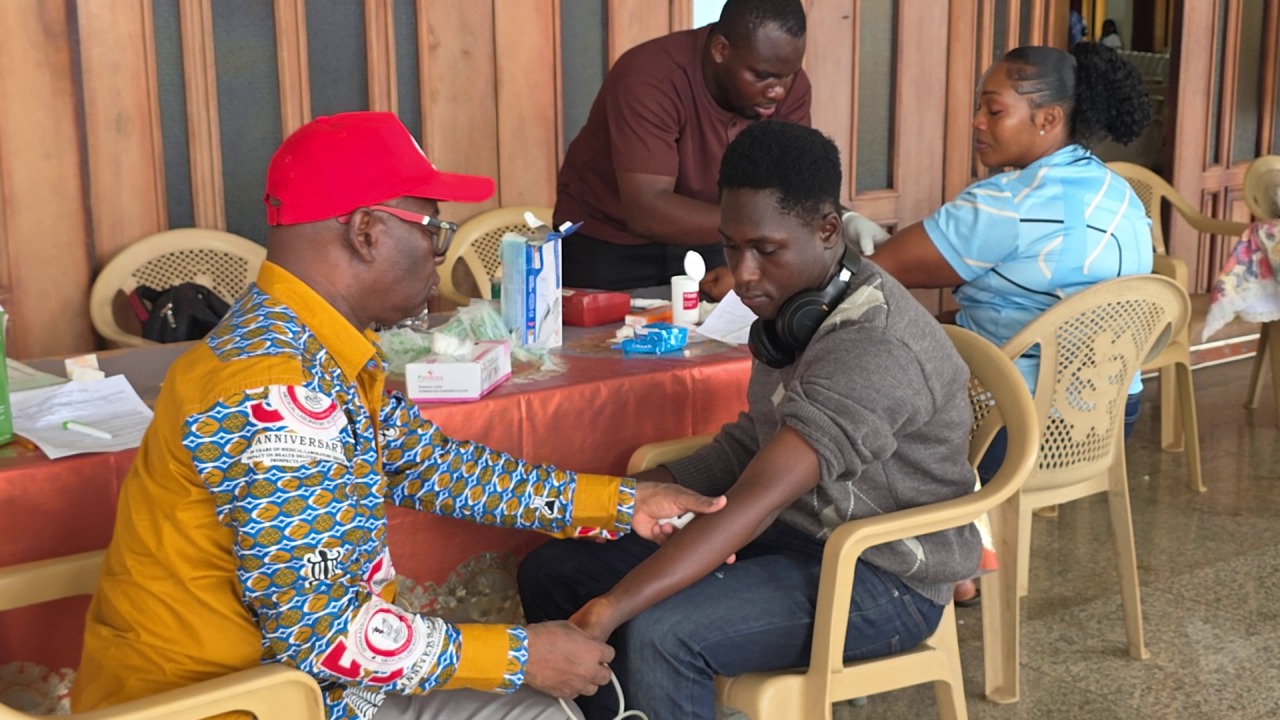
Dr. Owusu-Ofori made the remarks at the church premises in Kumasi during a voluntary blood donation exercise organized as part of Reverend Obeng’s 70th birthday celebrations.
According to her, the annual blood donation campaign, which has been running for the past ten years, has become a crucial source of blood for healthcare facilities across the Ashanti Region and beyond.
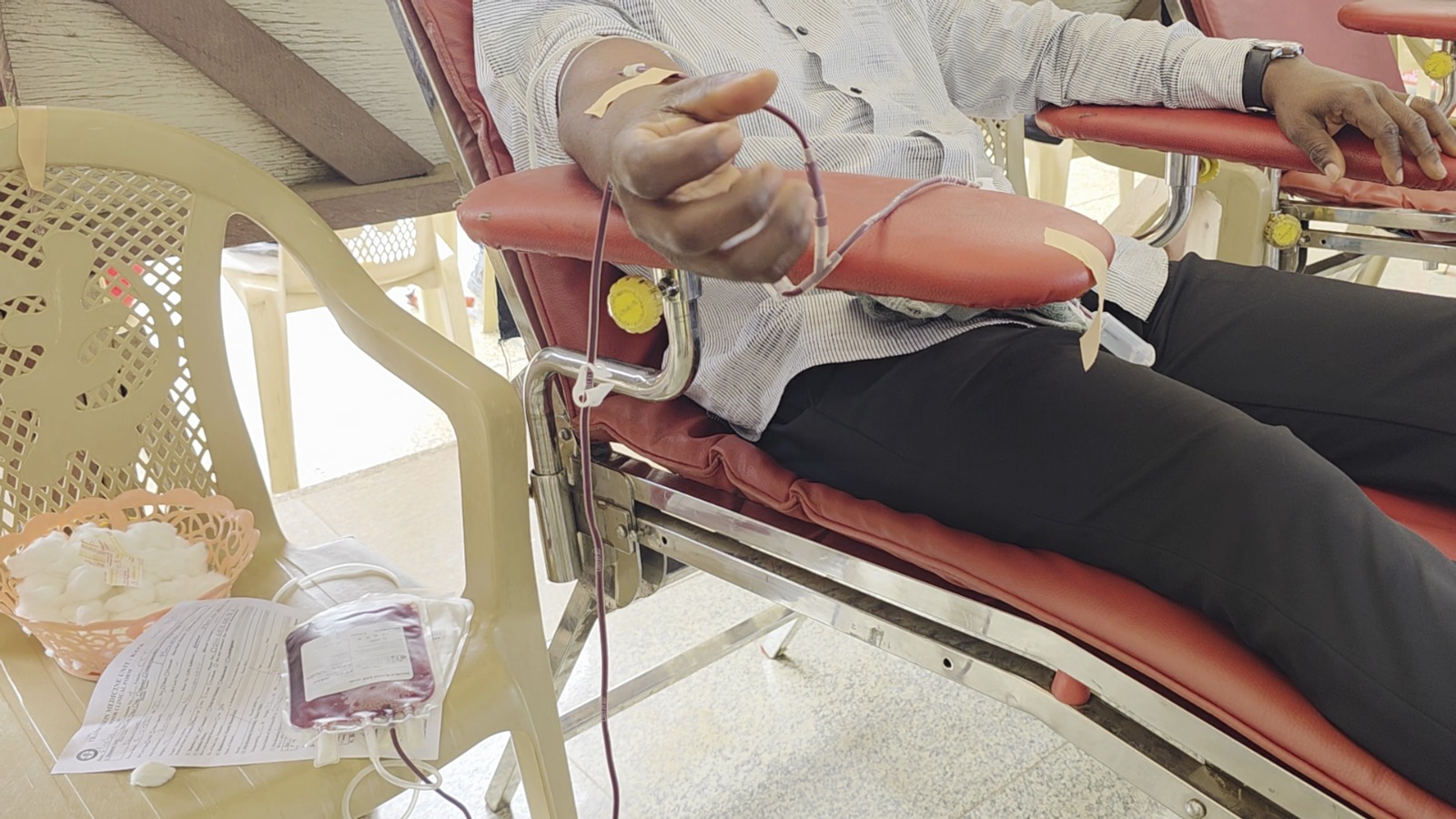
“Pastor Ransford has, over the last ten years, partnered with the Komfo Anokye Teaching Hospital Blood Bank, which also serves as the Ashanti Regional Blood Centre of the National Blood Service. It has been a journey of success because lives have been saved through every unit of blood collected,” she stated.
Dr. Owusu-Ofori emphasized that the impact of the initiative extends far beyond the church community, noting that donated blood has been used to save accident victims, mothers experiencing complications during childbirth, children with severe infections, and cancer patients undergoing treatment.
“Lives that members of the church may never know have been saved. Children with acute infections have been saved, mothers who suffered bleeding during delivery have been saved, and cancer patients who required blood as part of their treatment have also benefited,” she said.
She described the annual exercise as an act of compassion and humanity rather than merely a medical intervention.
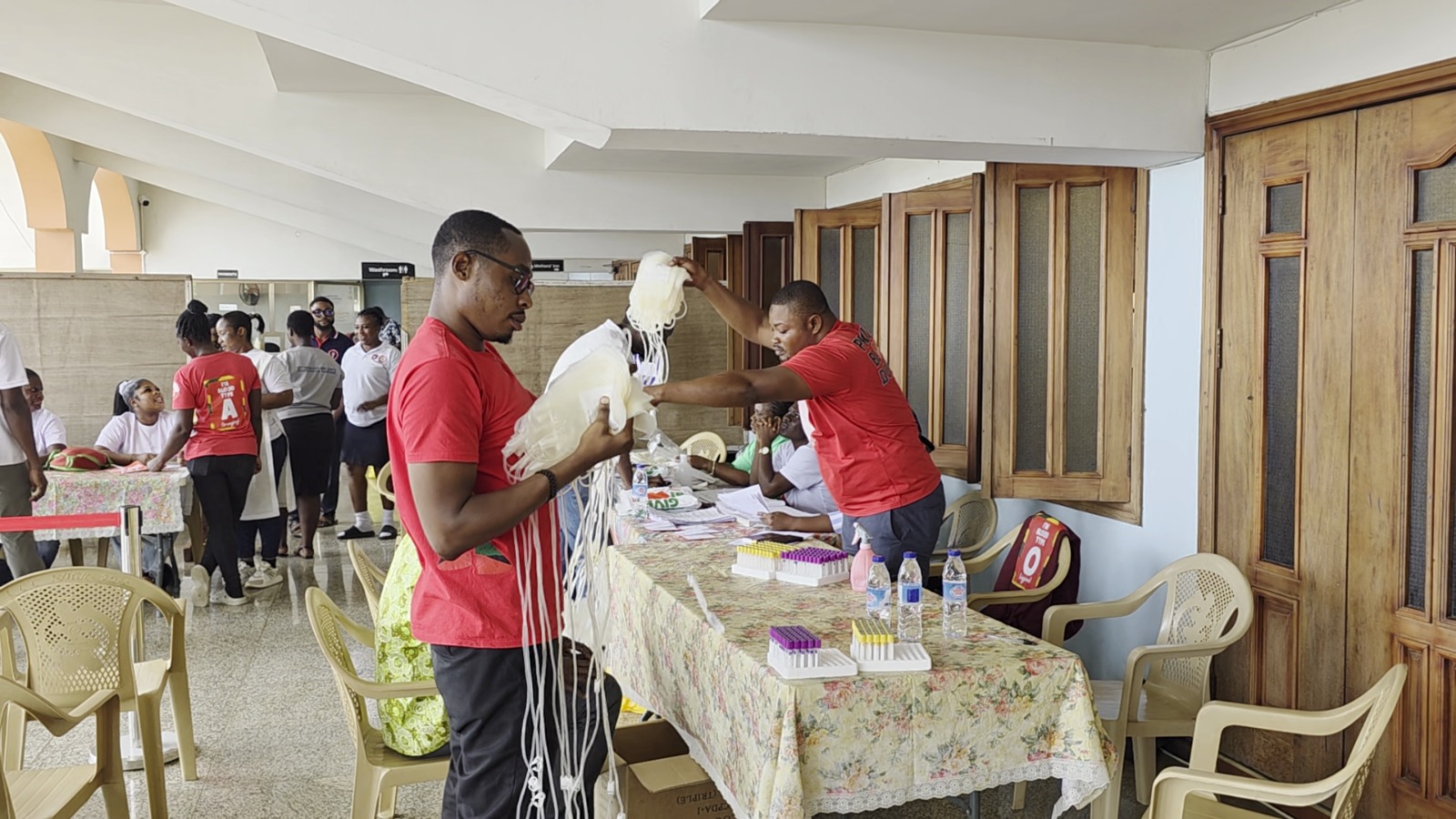
“We do not take blood donation lightly. It goes beyond a medical act. The benefits far surpass what we see because every donation has the potential to save lives.”
The National Blood Service CEO indicated that this year’s World Blood Donor Day celebration aligns perfectly with the values demonstrated by Rev. Obeng and his congregation.
She noted that the global campaign’s message highlights the humanitarian impact of voluntary blood donation.
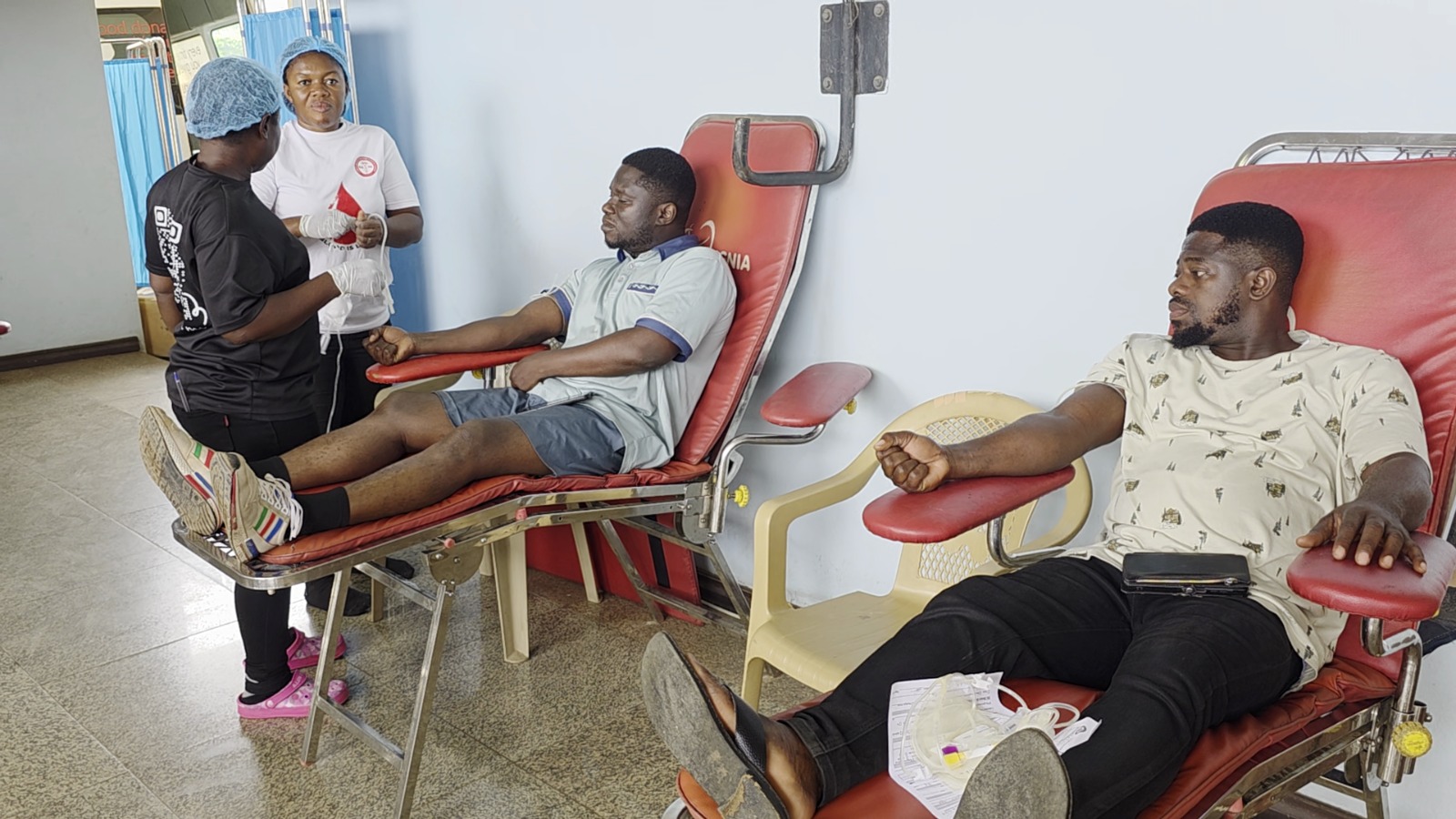
“This year’s theme reminds us that one act of humanity can save lives. That is exactly what Pastor Ransford has been doing through this annual blood donation exercise.”
Dr. Owusu-Ofori officially launched the Ashanti Regional activities for World Blood Donor Day and encouraged Ghanaians to participate in future donation exercises.
Addressing misconceptions that often discourage people from donating blood, Dr. Owusu-Ofori stressed that public education remains critical in increasing voluntary donations. She dismissed several myths surrounding blood donation.
“Blood donation does not make any man weak, and it does not make any man impotent. The blood we collect is never used for rituals. There are transparent audit trails for every unit of blood collected.”
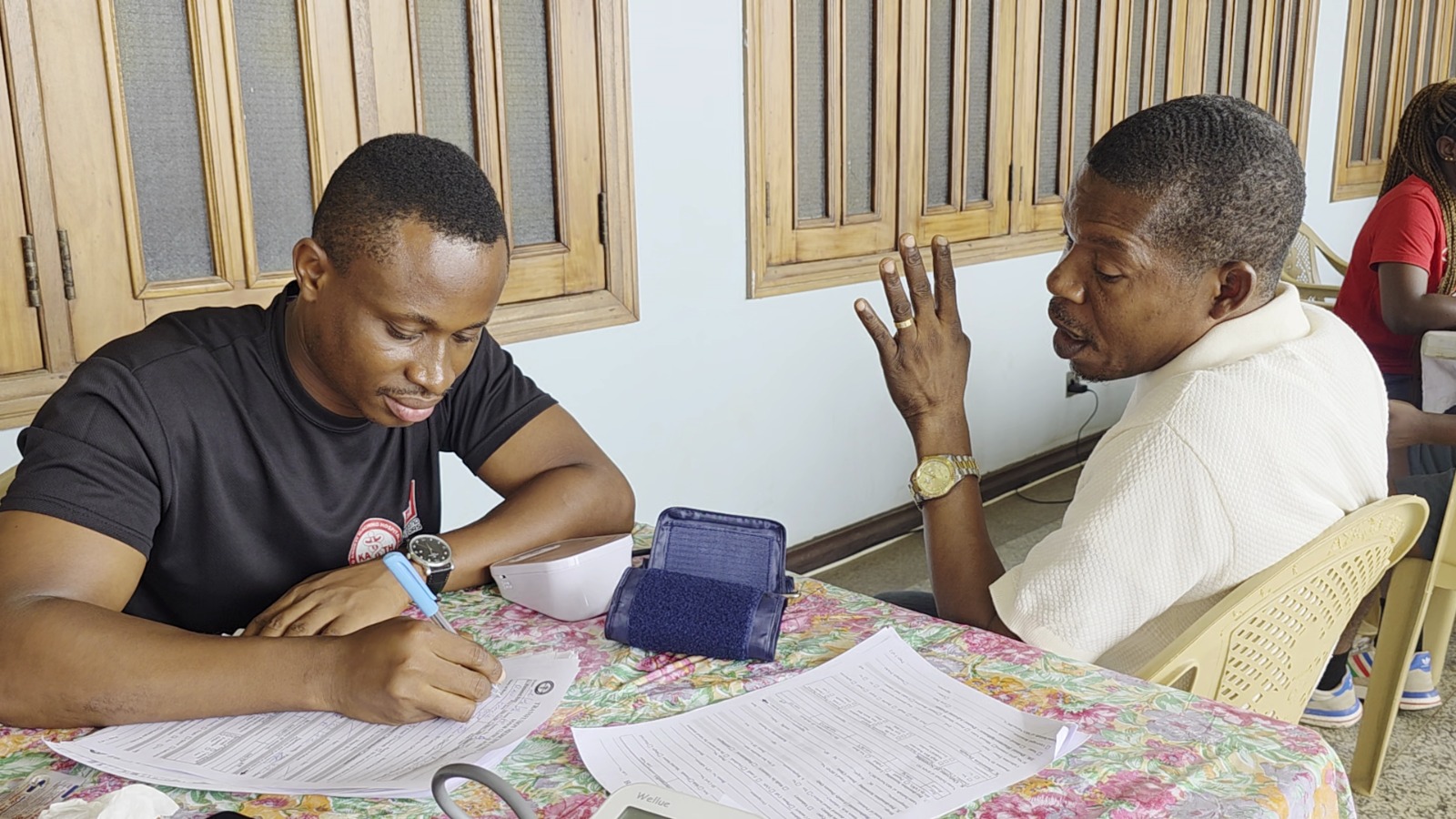
According to her, every unit of donated blood can be traced from the donor to the patient who receives it.
“We can trace every unit from the vein of the donor to the vein of the recipient. If a unit is not transfused to a patient, we can account for where it ended up.”
She further explained that one unit of donated blood can be separated into different components, potentially benefiting up to three patients.
“A single unit can save up to three lives because it can be processed into platelets, red blood cells and plasma, each serving different medical needs.”
Despite recent improvements in blood collection across the country, Dr. Owusu-Ofori said Ghana is yet to meet the World Health Organization’s recommended blood collection benchmark.
The WHO recommends that countries maintain at least ten units of blood per 1,000 people to adequately meet demand.
“Currently, Ghana’s Blood Collection Index stands at 6.6 units per 1,000 population. This is an improvement from last year’s figure of 6.1, but we are still below the WHO target of 10 units per 1,000 population.”
She therefore appealed to the media, religious organizations and the general public to support awareness campaigns aimed at increasing voluntary blood donations nationwide.
“Blood can never be bought and it cannot be manufactured. It must always come from an individual. We encourage everyone who is eligible to donate and support humanity through voluntary blood donation.”
Dr. Owusu-Ofori expressed optimism that this year’s exercise would surpass previous records despite the rainy weather.
She recalled that a previous donation campaign organized by the church yielded more than 380 units of blood in a single day.
“This church has set remarkable records before. We are hopeful that today’s exercise will once again exceed expectations and contribute significantly to saving lives across Ghana.”
Read Also: