The Chamber of Cement Manufacturers, Ghana (COCMAG) has called for a strategic transformation of Ghana’s cement industry, urging stakeholders to reduce reliance on imported clinker and embrace sustainable, locally driven production methods.
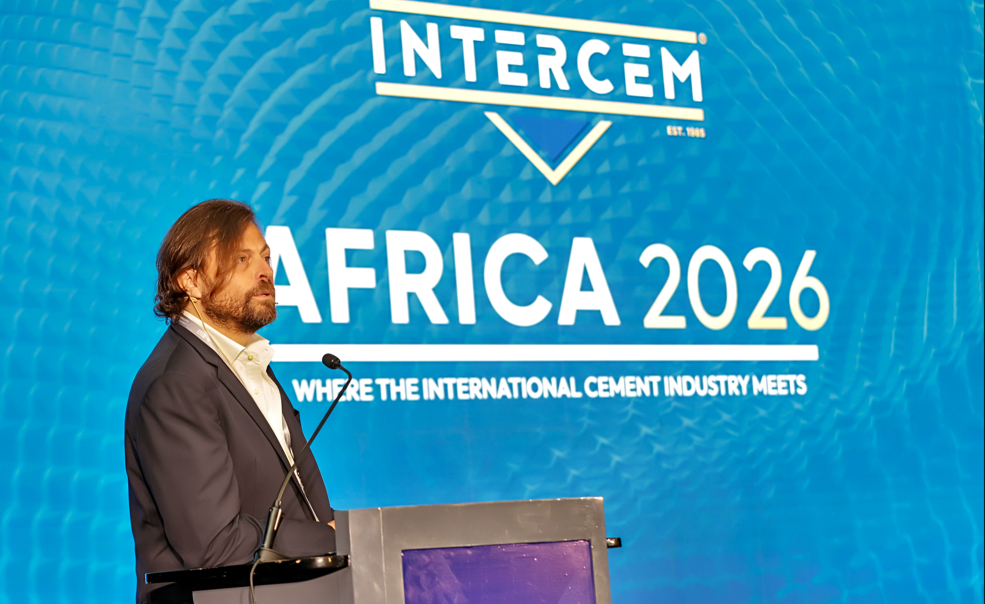
Speaking on the sidelines of INTERCEM Africa 2026 in Accra, Frederic Albrecht, Chairman of COCMAG, highlighted the structural challenges facing the cement industry, noting that clinker production remains unfeasible in Ghana due to limited limestone reserves.
“Clinker production is not possible in Ghana because of unsuitable limestone deposits. Yet clinker remains a major input in cement production, and importing it is increasingly expensive due to rising fuel costs, port congestion, and global supply disruptions.”
According to Albrecht, these challenges have made it imperative for Ghana to rethink its cement production model by reducing clinker usage and increasing the adoption of alternative raw materials.
“We must develop a different type of cement that allows Ghana to become more self-sufficient. By reducing clinker ratios and utilising local raw materials, we can lower production costs, improve competitiveness, and reduce pressure on foreign exchange.”
Mr. Albrecht pointed to innovations already underway through CBI and Ghacem, where products such as Eco Cool and Supercem are being produced with lower clinker content.
“These products demonstrate that Ghana can position itself as a global leader in sustainable cement production. By leveraging local materials, we are not only reducing costs but also making better use of Ghana’s natural resources.”
He further noted that global events continue to impact clinker prices, citing recent geopolitical tensions and fuel price fluctuations as key drivers of cost increases.
“Clinker production is highly energy-intensive, requiring temperatures of up to 1,500 degrees Celsius. This makes it directly tied to fuel prices, which are volatile. Reducing dependence on clinker is therefore both an economic and strategic necessity.”
On the timeline for change, Mr. Albrecht stressed the importance of long-term planning and industry-wide collaboration.
“Establishing alternative production systems takes about three years. It requires foresight, investment, and strong collaboration between industry players and government. We are grateful to the Ministry of Trade, Agribusiness and Industry for supporting this transition.”
The INTERCEM Africa 2026 conference, organised in partnership with the Chamber of Cement manufacturers, Ghana (COCMAG), and in collaboration with CBI Ghana & the LC3- Project, brought together over 100 companies from approximately 40 countries.
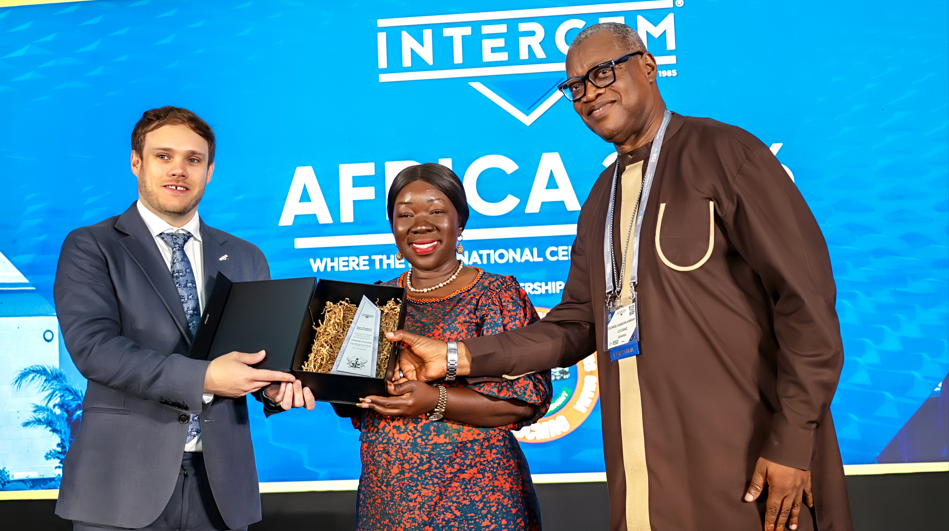
Delivering the keynote address, the Minister of Trade, Agribusiness and Industry, Elizabeth Ofosu-Adjare emphasised the importance of innovation in cement manufacturing.
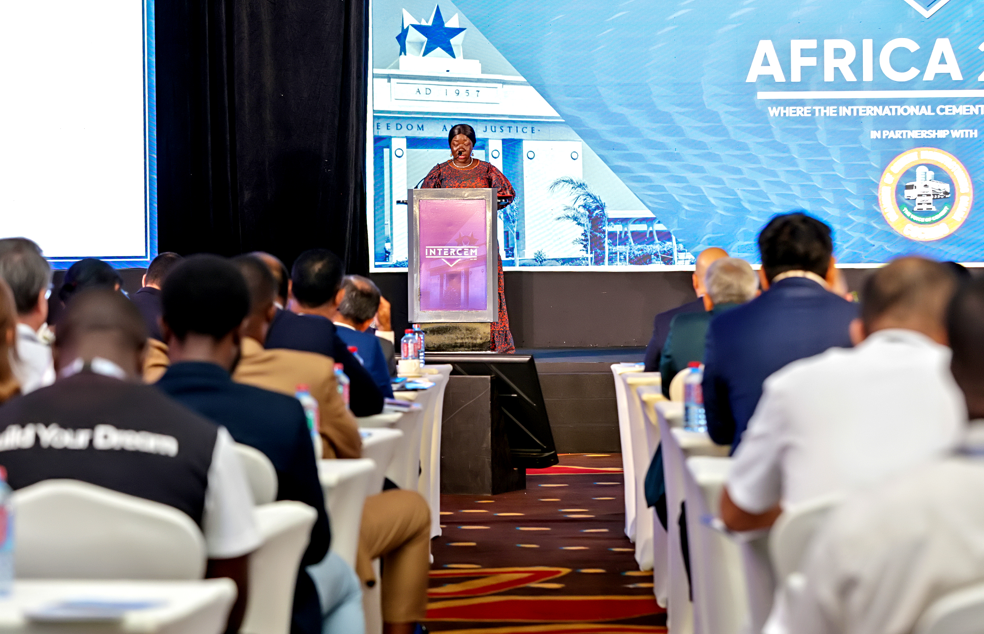
“Our cement industry must become more affordable, accessible, and sustainable. We must reduce clinker imports and invest in local raw material production. The example set by CBI and Ghacem shows that this transformation is achievable,” she said.
She further noted that Ghana’s growing infrastructure and industrialisation agenda will continue to drive cement demand, making sustainability a priority.
Also speaking at the event, the CEO of COCMAG, Bishop Dr. George Dawson-Ahmoah commended stakeholders for their participation and reiterated the importance of knowledge-sharing.
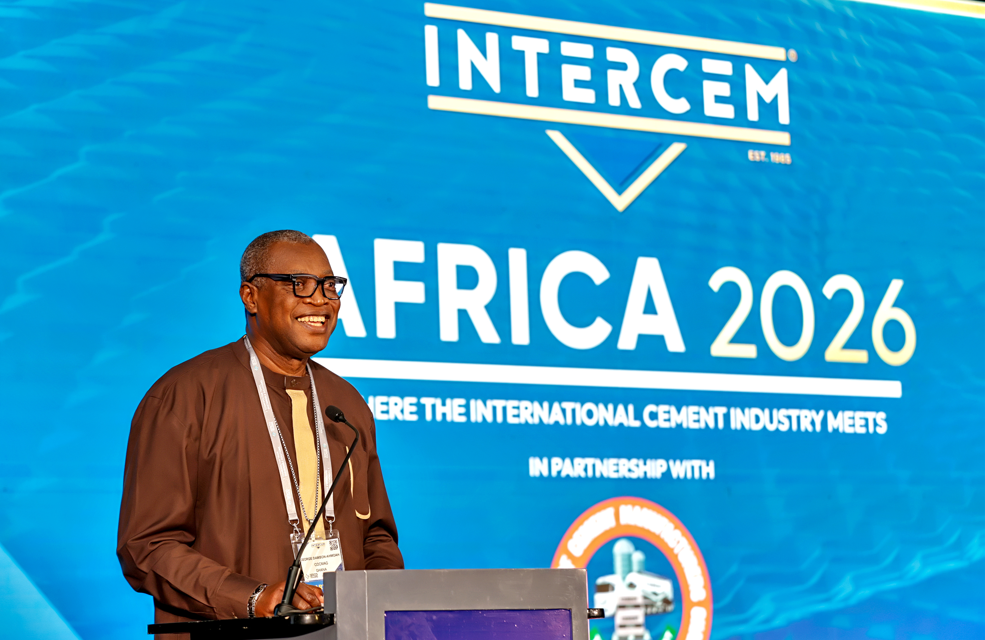
“This conference provides a valuable platform for innovation and collaboration. It is helping Ghana’s cement producers adopt more sustainable practices, including the use of clay and other local materials to reduce clinker dependency,” he said.