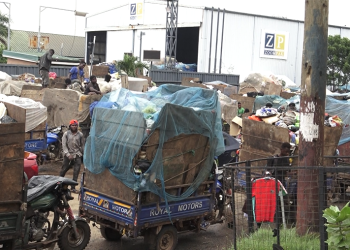
Dr. Vanessa Apea, CEO of Accra London Health Centre, has warned that communities affected by the recent floods in Accra could face outbreaks of cholera and typhoid fever in the coming weeks if preventive measures are not taken.
The warning follows what has been described as Ghana’s heaviest monthly rainfall since 1995, which triggered widespread flooding across Accra and surrounding communities.
According to Dr. Apea, while the immediate impact of the floods has been significant, contaminated water and poor sanitation in the aftermath could create ideal conditions for waterborne diseases.
In a statement dated Wednesday, July 1, Dr. Vanessa Apea warned, “Beyond the immediate destruction, health authorities are warning of a second wave of danger: outbreaks of cholera and typhoid fever in the weeks that follow.”
Dr. Apea explained that cholera and typhoid are bacterial infections spread through contaminated food and water after floodwaters mix with sewage, refuse and human waste.
He said flooding contaminates water sources, exposes food to pollutants and increases the risk of disease transmission, particularly in overcrowded shelters.
“Broken pipes and open wells become contaminated, sachet water and street food can be exposed to dirty water during storage or transport, and vegetables grown near flooded water bodies carry contamination onto plates,” She noted.
The doctor also warned that stagnant water left behind by the floods could increase the risk of malaria by providing breeding grounds for mosquitoes.
Dr. Apea urged the public to seek immediate medical attention if they experience symptoms associated with either disease.
“Anyone with profuse watery diarrhoea, vomiting, sunken eyes, extreme thirst or little to no urination should be treated as a cholera emergency,” She said.
She added that “anyone with a fever that persists or worsens daily, alongside severe headache, abdominal pain or a rash, should be assessed for typhoid.”
According to him, both diseases are treatable, but early diagnosis and prompt treatment are essential to prevent serious complications or death.
Dr. Apea advised households in flood-affected communities to boil drinking water or use bottled or sachet water from trusted sources, eat only freshly cooked food, wash their hands regularly with soap under running water and avoid contact with floodwater where possible.
She also encouraged proper waste disposal and the clearing of stagnant water and blocked drains around homes to reduce the spread of disease.
“The Ghana Health Service has echoed these same measures… and urged the public to seek medical attention promptly rather than waiting to see if symptoms pass,” She said.
Dr. Apea stressed that although floodwaters may recede, the health risks they leave behind can persist for weeks if preventive measures are not strictly observed.