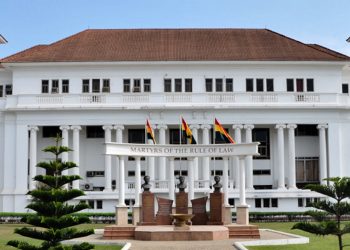
The Dean of the School of Journalism and Media Studies (SOJAMS) at the University of Media, Arts and Communication (UniMAC), Professor Etse Sikanku, says journalism is undergoing one of its most significant transformations as a result of the rapid rise of artificial intelligence (AI), digital platforms and the growing spread of misinformation.
Speaking at the opening of the two-day SOJAMS International Conference on the State of Journalism and Media Communication on Wednesday, July 15, Prof. Sikanku said emerging technologies are reshaping the media landscape by creating new opportunities for news production and audience engagement while also presenting significant challenges for journalists and media organisations.
He noted that the industry must adapt to these changes by embracing innovation while upholding the core principles of accuracy, credibility and ethical journalism.
“The world of journalism and communication is undergoing one of the most profound changes in history,” he said.
He noted that artificial intelligence is changing newsroom operations, from content production to the way information is distributed, while digital platforms are reshaping how audiences access and consume news.
“Artificial intelligence is reshaping news production. Digital platforms are now redefining how audiences consume information,” he said.
However, Prof. Sikanku warned that technological advancement has been accompanied by growing misinformation and disinformation, which threaten public trust in the media and democratic institutions.
“Misinformation and disinformation continue to challenge democratic societies, and this has affected public trust in the media,” he said.
He said declining confidence in the media undermines journalism’s ability to support national development and facilitate informed public discussions on critical issues.
“It has affected the credibility of the media and the media’s own ability to be able to contribute in a very consensual way to national advancement,” he added.
Prof. Sikanku said the conference was organised to examine these evolving challenges and explore practical approaches to strengthening journalism and communication in an increasingly digital environment.
“We are here to contemplate the effects of all of this and see how we can provide innovative solutions moving forward,” he said.
The conference brings together academics, journalists, media practitioners and communication scholars to discuss artificial intelligence, journalism, democratic communication, media participation, gender and other emerging issues shaping the future of the profession.