Canada reaffirmed its commitment to deepening economic ties with Ghana through responsible mining, trade and private sector investment, as both countries seek to strengthen cooperation on sustainable and inclusive economic growth.
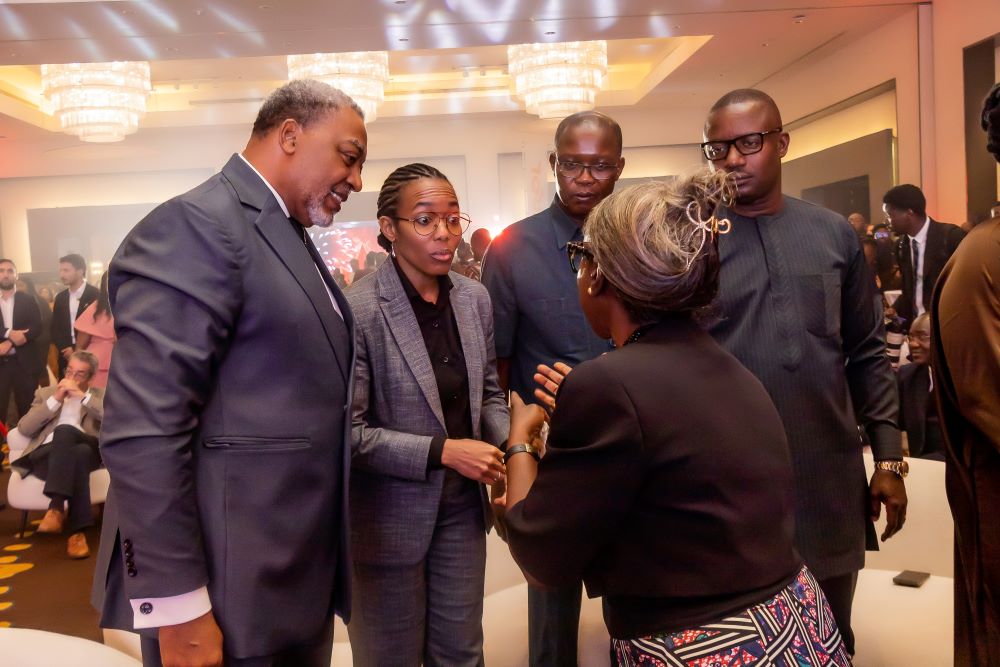
Speaking at Canada’s 159th National Day celebration in Accra, the Canadian High Commissioner to Ghana, Ms. Myriam Montrat, said responsible Canadian investment, particularly in the mining sector, alongside expanding trade and private sector collaboration, was helping to drive Ghana’s economic transformation.
“Our partnership with Ghana is increasingly being defined not only by diplomacy but also by responsible investment that creates jobs, builds local capacity and promotes long-term development,” Ms. Montrat said.
She described Ghana and Canada as enjoying their strongest bilateral relations to date, underpinned by growing trade and investment, responsible mining, development cooperation, education, peace and security, and strong people-to-people ties.
“Our relationship is built on shared values and a common commitment to sustainable development. Responsible investment remains central to Canada’s engagement with Ghana,” she added.
Ms. Montrat announced that bilateral trade between Ghana and Canada reached $752 million in 2025, representing a 56% increase over the previous year.
“The growth in bilateral trade reflects the expanding commercial relationship between Ghana and Canada and demonstrates the confidence Canadian businesses continue to have in Ghana’s economy,” she said.
The Minister for Energy and Green Transition, Dr. John Abdulai Jinapor, said relations between the two countries had evolved beyond traditional development assistance into a strategic partnership centred on trade, investment, innovation and sustainable development.
“The Ghana-Canada relationship has grown into a strategic partnership anchored on trade, investment, innovation and sustainable development,” Dr. Jinapor said.
He said Ghana welcomed increased Canadian investment in agribusiness, renewable energy, digital transformation, manufacturing, infrastructure and responsible mining, describing the sectors as critical to job creation and industrialisation.
Dr. Jinapor also highlighted Ghana’s role as host of the Secretariat of the African Continental Free Trade Area (AfCFTA), saying it offers Canadian businesses access to a market of more than 1.4 billion people.
“As host of the AfCFTA Secretariat, Ghana offers Canadian investors unparalleled access to the African market, creating enormous opportunities for mutually beneficial economic growth,” he said.
The emphasis on responsible investment comes as Ghana seeks to increase local participation, value addition and sustainable practices in its mining industry.
Among Canadian investors contributing to those efforts is Galiano Gold, whose Asanko Gold Mine has adopted a localisation strategy under which 99.9 per cent of its workforce is Ghanaian.
The company also operates graduate trainee and apprenticeship programmes to develop local skills and supports community initiatives in education, agriculture, health, enterprise development, water and sanitation. It says it maintains responsible environmental practices while complying with Ghana’s mining and environmental regulations.
Galiano Gold has also established long-term partnerships with host communities aimed at promoting sustainable socio-economic development and improving livelihoods.
The renewed focus on responsible mining reflects broader efforts by both Ghana and Canada to leverage investment that supports economic growth while strengthening local capacity, environmental stewardship and community development.