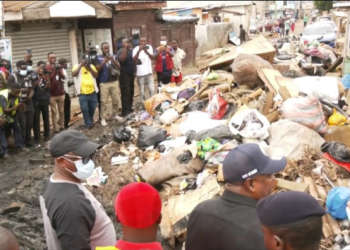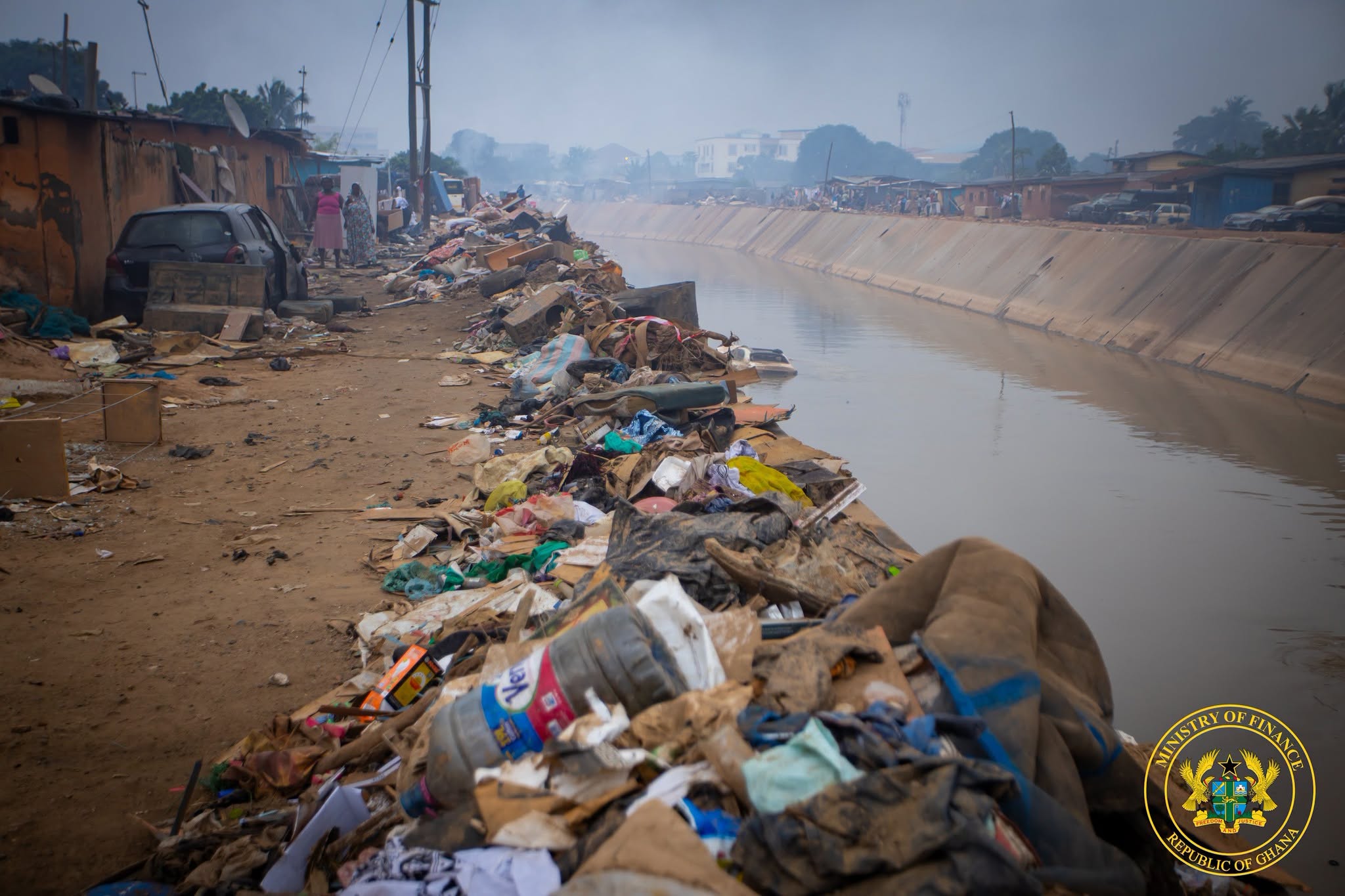
The government has stated that the recent devastating floods across parts of Ghana underscore the urgent need for stronger environmental reforms, warning that the country can no longer afford to delay action on waste management, environmental protection and enforcement.
Deputy Presidential Spokesperson Shamima Muslim, in an interview on News Digest on Citi FM on Saturday, July 11, 2026, said the widespread flooding witnessed over the past few days had exposed the deteriorating state of the country’s environment and the urgent need for sustained policy interventions alongside changes in public behaviour.
“I think these past few days, if we were under any illusion at all that all is well, these past two days have shown us vividly through your cameras, through your reports, across many communities, across different regions. I think the picture is very worrying indeed,” she said.
“All is certainly not well with our environment and our general attitude towards waste, and of course also policy response to dealing with the matter.”
Her comments followed the government’s nationwide clean-up exercise, which she said had received significant support from citizens, institutions, private companies and the media but represented only the beginning of a broader effort to build environmental resilience.
“We know that it is not an end at all. I think the most difficult part of cleaning up this country… will depend on what happens in the next days, the next weeks and months,” she said.
According to Shamima Muslim, while natural disasters such as heavy rainfall cannot be prevented, the country has control over how it manages its environment through effective policies and responsible public conduct.
“As for natural disasters, we don’t have control over. What we have control over is policy, implementation, execution, and our individual habits,” she said.
She appealed to Ghanaians to adopt more environmentally responsible practices, including reducing the use of single-use plastics and embracing reusable alternatives, while urging the media to continue educating the public on proper waste disposal.
The Deputy Presidential Spokesperson also called for public support as the government prepares to implement more difficult aspects of its environmental resilience strategy, including the restoration of waterways and wetlands.
“It will be painful. It will be difficult. Houses would have to come down. Some businesses on waterways would have to go. But if there’s any time to do it, it is now. Now that we have seen how devastating a single day’s rainfall can be to the lives of many people,” she said.
She stressed that the recent floods should serve as a wake-up call for both government and citizens to work together to address environmental degradation before future disasters cause even greater damage.