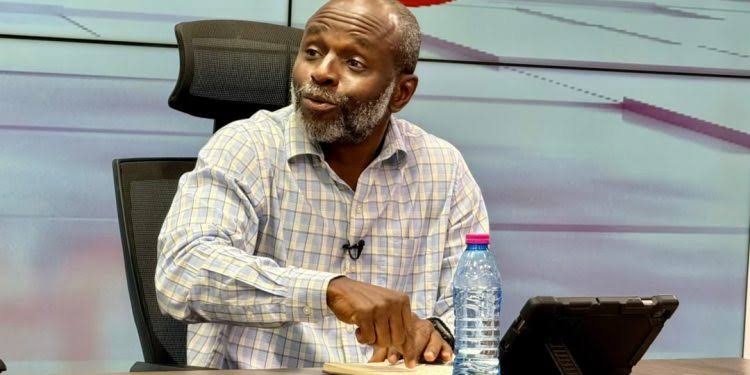
Policy analyst and engineer Michael Kosi Dedey has called for a long-term approach to flood prevention, arguing that periodic clean-up exercises alone will not solve Ghana’s recurring flooding and sanitation challenges.
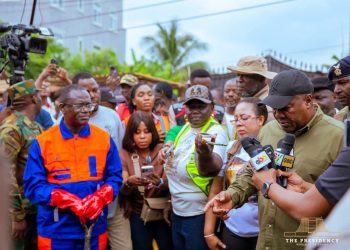
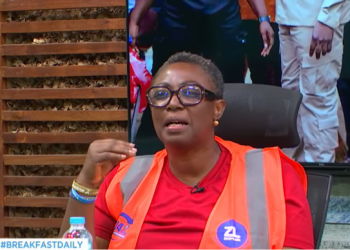
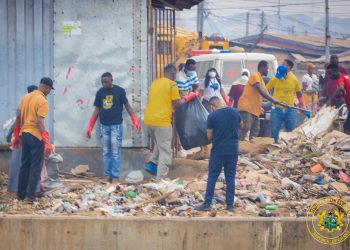
Speaking on the two-day national clean-up exercise on Channel One TV’s Breakfast Daily, Kosi Dedey said while clean-up campaigns are important, they should not replace sustained planning, effective waste management and stronger local governance.
He argued that the country has become overly reliant on emergency responses instead of addressing the root causes of poor sanitation and flooding.
“We need to do the real hard work of planning and developing our cities rather than this knee-jerk reaction of, ‘Let’s go and clean up, let’s go and do this.’ I mean, it doesn’t help,” he said.
According to him, government must empower Metropolitan, Municipal and District Assemblies (MMDAs) to take charge of waste management instead of depending heavily on private companies.
“We need to ensure that the state is working properly and waste is managed by districts or by assembly,” he stated.
Dedey also questioned the management of sanitation contracts, saying authorities must ensure contractors paid to maintain public spaces are delivering on their responsibilities.
“We need to ensure that we don’t pay people and then come around again and say, ‘Let’s go and mobilize people to clean up’ for things that people are already being paid for. Those, for me, are things that we as a nation should be looking at,” he said.
He further argued that the fragmentation of district assemblies has made coordinated city planning increasingly difficult, urging government to reconsider the current administrative structure.
“I sincerely think that we should go back and bring together some of the districts that we have fragmented seriously, to ensure that every district can quickly manage and do the work because the fundamental issue is that we are not planning our cities and developing them,” he said.
Dedey cautioned against rushing into solutions such as waste-to-energy projects without first addressing the underlying weaknesses in urban planning and waste management.
“Let’s sit down as a country and ask the important question: What is fundamentally wrong with our planning and management system? Let’s not do an easy ‘let’s do waste-to-energy’ because we’ve heard it somewhere,” he said.
He maintained that tackling flooding sustainably requires comprehensive urban planning, stronger local institutions and effective waste management systems rather than reactive interventions after disasters occur.
Read Also: