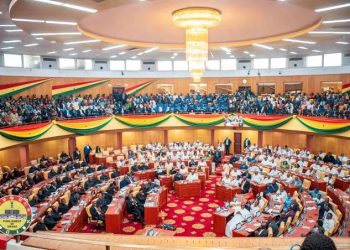
The Ministry of Tourism, Culture and Creative Arts has outlined major policies and achievements aimed at strengthening Ghana’s tourism and cultural sectors during a High-Level Stakeholder Consultative Meeting in Accra on Wednesday, July 15.
Addressing stakeholders, the Minister of Tourism, Culture and Creative Arts, Abla Dzifa Gomashie, said the meeting was an opportunity for the ministry to account for its performance while engaging industry players on the way forward.
The minister explained that the ministry has adopted a “domestic-first and global-next” strategy under the vision of President John Dramani Mahama, with the goal of strengthening domestic tourism and cultural participation before expanding Ghana’s appeal to international visitors.
“This approach recognises that a nation that celebrates its own heritage with pride becomes a more attractive destination for the rest of the world,” she added.
The minister highlighted several achievements recorded over the past year, including the launch of the Ghana National Cultural Policy, which she said provides a renewed framework for preserving the country’s cultural heritage while supporting the growth of the creative economy.
She also announced the rollout of the UNESCO 2030 Culture Indicators Programme, designed to generate credible, evidence-based data to guide cultural policy and investment decisions.
She further disclosed that the ministry has collaborated with the Ghana Statistical Service to undertake the Ghana International Traveller Survey (GITS) and develop Ghana’s first Tourism Satellite Account.
According to her, the initiative will collect comprehensive data on international visitors, measure tourism spending and establish an internationally recognised framework for assessing tourism’s contribution to Ghana’s GDP, employment and the wider economy.
The minister also celebrated Ghana’s latest international cultural achievement following the successful inscription of Highlife music and Highlife dance on UNESCO’s Representative List of the Intangible Cultural Heritage of Humanity.
“Ghana also attained another significant international milestone with a successful inscription of Highlife music and Highlife dance on UNESCO’s Representative List of the Intangible Cultural Heritage of Humanity, reaffirming our country’s invaluable contribution to global cultural heritage,” she said.
The consultative meeting brought together stakeholders from both private and government sectors of tourism, culture and creative arts sectors to review the ministry’s progress, identify challenges affecting the industry and discuss strategies to further position the sector as a key driver of national development.