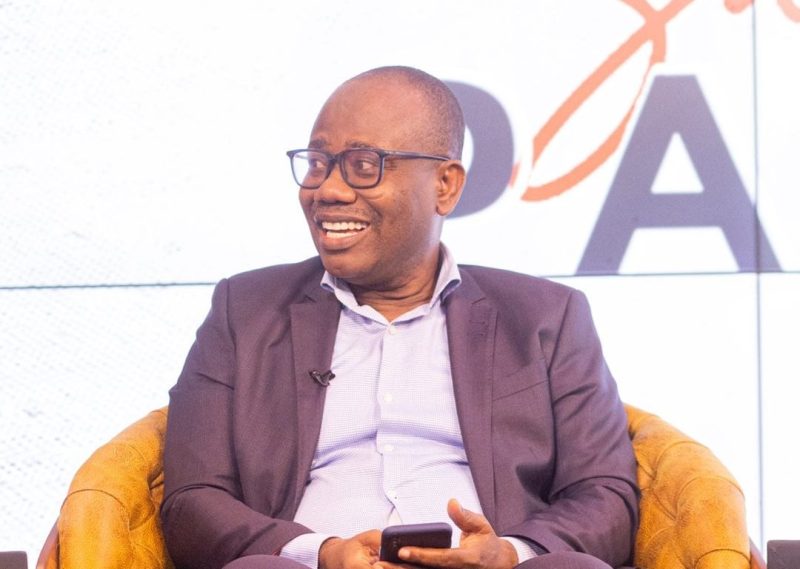
Former President of the Ghana Football Association (GFA) Kwesi Nyantakyi has urged Ghana to adopt Morocco’s long-term approach to football development, arguing that sustained investment in grassroots football, infrastructure and youth development is the surest path to restoring the country’s football fortunes.
He said Morocco’s recent success on the international stage demonstrates that lasting football achievements are built on deliberate planning, adequate funding and strong development structures rather than short-term successes.
His remarks come after the Black Stars’ FIFA World Cup campaign ended with a 1-0 defeat to Colombia on July 4, prompting renewed criticism over the team’s performance and the broader management and development of football in Ghana.
Morocco is currently the only African nation in the tournament after advancing to the quarter-finals. Other African representatives were eliminated earlier, with Egypt also falling short after losing to Argentina in the Round of 16.
In an opinion he shared on Facebook on July 7, 2026, reflecting on football development in Africa, Mr Nyantakyi said the Royal Moroccan Football Federation’s achievements over the past six years had underscored the importance of structured talent identification and development programmes.
“There are two fundamental pillars that determine the long-term success of every national football team: sound development planning and sustainable funding,” he said.
According to Mr Nyantakyi, Morocco has complemented its grassroots programmes with significant government investment in football infrastructure, coach education and player development, creating a sustainable pipeline of talent.
“Apart from FIFA and CAF funding, the Government of Morocco has invested heavily in sports infrastructure, talent development and education and development of coaches, referees and other personnel,” he said.
He also highlighted government support for domestic football, noting that female players in Morocco’s local league receive monthly stipends from the state.
“For example, all women playing in the Moroccan women’s local league receive €600 per month from the government. Now they are African champions. Moroccan clubs are among the best in Africa and their men’s teams are among the best in the world,” he said.
Mr Nyantakyi said Ghana could draw important lessons from Morocco’s experience, stressing that success could not be achieved by relying on qualification for major tournaments alone.
“The lesson for Ghana—and indeed many African football nations—is clear. Sustainable success cannot be achieved through short-term measures or by relying solely on the financial rewards that accompany qualification for major tournaments such as the FIFA World Cup,” he said.
“World Cup bonuses alone do not build successful national teams.”
He argued that Ghana should recommit to long-term football planning that develops players from the grassroots level through to the senior national teams.
“Lasting success requires deliberate planning, consistent investment, and a clearly defined pathway that develops players from grassroots football through to the senior national team,” he said.
Mr Nyantakyi maintained that Ghana had previously implemented structured football development programmes and urged stakeholders to build on those foundations rather than start afresh.
“If Morocco’s recent achievements have taught Africa anything, it is that success is neither accidental nor instantaneous. It is the product of vision, patience, sustained investment, and an unwavering commitment to youth development,” he said.
“Ghana has travelled this path before. The challenge before us is not to reinvent the wheel, but to recommit ourselves to the principles that once positioned our football on a firm developmental foundation.”