• About Us
  • Privacy Policy
  • Terms of Use
  • Breaking News
  • Explainers
  • Listen Live
Tuesday, July 21, 2026
Citinewsroom - Comprehensive News in Ghana
Advertisement
  • Home
  • News
    • Regional News
      • Ahafo Region
      • Ashanti Region
      • Bono East Region
      • Bono Region
      • Central Region
      • Eastern Region
      • Greater Accra Region
      • Northern Region
      • North East Region
      • Oti Region
      • Savanna Region
      • Upper East Region
      • Upper West Region
      • Volta Region
      • Western Region
      • Western North Region
  • Sports
    • World Cup
  • Politics
  • Business
  • Entertainment
  • Articles
  • Explainers
  • Editorials
No Result
View All Result
Citinewsroom - Comprehensive News in Ghana
  • Home
  • News
    • Regional News
      • Ahafo Region
      • Ashanti Region
      • Bono East Region
      • Bono Region
      • Central Region
      • Eastern Region
      • Greater Accra Region
      • Northern Region
      • North East Region
      • Oti Region
      • Savanna Region
      • Upper East Region
      • Upper West Region
      • Volta Region
      • Western Region
      • Western North Region
  • Sports
    • World Cup
  • Politics
  • Business
  • Entertainment
  • Articles
  • Explainers
  • Editorials
No Result
View All Result
Citinewsroom - Comprehensive News in Ghana
No Result
View All Result

HIV infections fall by 14% in Ghana

Patricia BoakyebyPatricia Boakye
July 21, 2026
Reading Time: 2 mins read
ShareShareShareShare

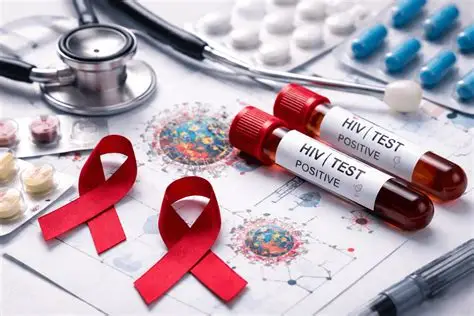
Ghana has recorded a significant reduction in new HIV infections and AIDS-related deaths, according to the 2025 National HIV Estimates and Projections released by the Ghana AIDS Commission (GAC).

The report shows that new HIV infections declined from 16,189 in 2024 to 13,951 in 2025, while AIDS-related deaths also reduced from 13,429 to 12,051 within the same period, representing nearly a 14% decline.

Presenting the estimates in Accra on Monday, July 20, the Director for Research, Monitoring and Evaluation (RM&E) at the GAC, Isaiah Doe Kwao, attributed the progress to sustained investments in HIV testing, treatment and care services across the country.

He said the figures demonstrate that Ghana’s HIV response is yielding positive results, although more efforts are required to achieve the target of ending AIDS as a public health threat by 2030.

“Ghana’s HIV response is making progress, but we still have more work to do to reach epidemic control and ensure that no one is left behind,” Mr Kwao said.

The 2025 estimates indicate that about 337,435 people of all ages are currently living with HIV in Ghana. Out of this number, 315,513 are adults aged 15 years and above, while 21,922 are children below 15 years.

The report further revealed that 19,528 adolescents between the ages of 10 and 19 are living with HIV, with young people aged 15 to 24 years accounting for 33,317 cases.

Speaking at the launch, the Director General of the Ghana AIDS Commission, Dr Kharmacelle Akanbong, stressed that preventing new HIV infections remains a critical component of Ghana’s strategy, explaining that every new infection adds to the number of people requiring lifelong treatment and care.

He noted that while the country has made steady progress, achieving epidemic control would require further reductions in new infections and AIDS-related deaths.

“Epidemic control means new infections and AIDS deaths must continue to come down. There should ideally be no new infections, although that is difficult to achieve. The objective is to reduce them to the lowest possible level,” he said.

Dr Akanbong projected that new HIV infections could decline further from 13,951 in 2025 to approximately 6,430 by 2030, while AIDS-related deaths could reduce from 12,051 to about 4,893 within the same period, provided prevention programmes, testing services and treatment coverage continue to improve.

He added that Ghana’s adult HIV prevalence among persons aged 15 to 49 years has also continued to decline, moving from 1.79% in 2015 to 1.40% in 2025, with a further projected reduction to 1.18% by 2030.

According to Dr Akanbong, the decline in prevalence has largely been driven by increased access to antiretroviral medicines, early initiation of treatment and improved retention of patients in HIV care.

However, he cautioned that challenges remain, particularly in identifying people who are unaware of their HIV status, expanding testing services and ensuring a consistent supply of life-saving medicines.

He called for stronger collaboration among government institutions, development partners, healthcare workers and communities to sustain the gains made in the fight against HIV and move closer to achieving the global goal of ending AIDS as a public health threat by 2030.


Tags: AIDSGhana Aids CommissionGhana NewsHIV
ShareTweetSendSend
Previous Post

AMA outdoors 2 new compactor trucks to strengthen waste collection

Next Post

US Judge: OSP failed to provide credible evidence against Ofori-Atta

Related Posts

Business

Ghana’s producer price inflation falls to 3.5%

July 21, 2026
Executive Secretary of the Chamber of Petroleum Consumers, Duncan Amoah
Business

Mid-year Budget: Cut GH¢1 fuel levy to 50 pesewas — COPEC urges Ato Forson

July 21, 2026
African Union (AU) Commissioner for Health, Ambassador Amma Twum-Amoah,
Featured

Africa accounts for 95% of global malaria deaths — AU

July 21, 2026
African Union (AU) Commissioner for Health, Ambassador Amma Twum-Amoah
Featured

Training health workers without jobs wastes public investment – AU Health Commissioner

July 21, 2026
Head of Compliance and Enforcement at the TMPC, Michael Lawson
Ashanti Region

TMPC shuts down two herbal clinics in Ashanti region over regulatory breaches

July 21, 2026
Health Minister Kwabena Mintah Akandoh
Featured

Health Ministry dismisses false Ebola outbreak claims in Ghana

July 21, 2026
Next Post

US Judge: OSP failed to provide credible evidence against Ofori-Atta

ADVERTISEMENT
Citinewsroom - Comprehensive News in Ghana

CitiNewsroom.com is Ghana's leading news website that delivers high quality innovative, alternative news that challenges the status quo.

Archives

Download App

Download

Download

  • About Us
  • Privacy Policy
  • Terms of Use
  • Breaking News
  • Explainers
  • Listen Live

© 2024 All Rights Reserved Citi Newsroom.

No Result
View All Result
  • Home
  • News
    • Regional News
      • Ahafo Region
      • Ashanti Region
      • Bono East Region
      • Bono Region
      • Central Region
      • Eastern Region
      • Greater Accra Region
      • Northern Region
      • North East Region
      • Oti Region
      • Savanna Region
      • Upper East Region
      • Upper West Region
      • Volta Region
      • Western Region
      • Western North Region
  • Sports
    • World Cup
  • Politics
  • Business
  • Entertainment
  • Articles
  • Explainers
  • Editorials

© 2024 All Rights Reserved Citi Newsroom.