The Acting Deputy Chief Executive Officer of the Gaming Commission of Ghana, Lamtiig A. Apanga, has dismissed concerns that the newly passed Tribunals Bill could lead to unfair treatment, insisting that the process is guided by constitutional provisions and safeguards.
According to him, unlike previous tribunals that raised concerns over their operations, the current tribunal system has established appeal mechanisms and procedures designed to protect the rights of persons who may appear before it.
Speaking on The Big Issue on Channel One TV on Saturday, July 18, Apanga said he was concerned about fears expressed by some individuals who believe the tribunals could repeat experiences associated with past judicial processes.
“What I have said over and over is that I get worried when some of them are scared because they actually use the word ‘scared’, like they are scared that it may remind them of the actions of the past tribunals,” he said.
He explained that the current tribunal structure operates within the framework of Ghana’s Constitution and is not intended to target or undermine the rights of any individual.
“I have indicated that this current tribunal is a subject of the Constitution we run. This current tribunal has appellate processes and procedures to ensure that there will be fairness. Unlike what we have seen in the past, this current tribunal is not meant to abuse anyone,” he added.
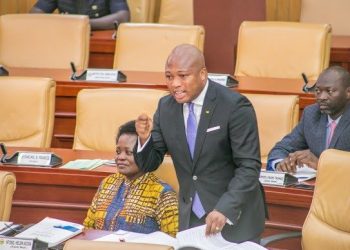
Apanga’s comments come after Parliament passed the Tribunals Bill despite strong objections from the Minority, who argued that the legislation could introduce uncertainty into Ghana’s judicial system and potentially weaken existing legal processes.
The Majority side, however, defended the bill, arguing that it provides a stronger legal foundation for the establishment and operation of tribunals while addressing concerns raised during parliamentary deliberations.
The passage of the bill has since generated public debate, with critics raising questions about its implications for judicial independence, while supporters maintain that it will enhance the administration of justice through a clearly defined legal framework.