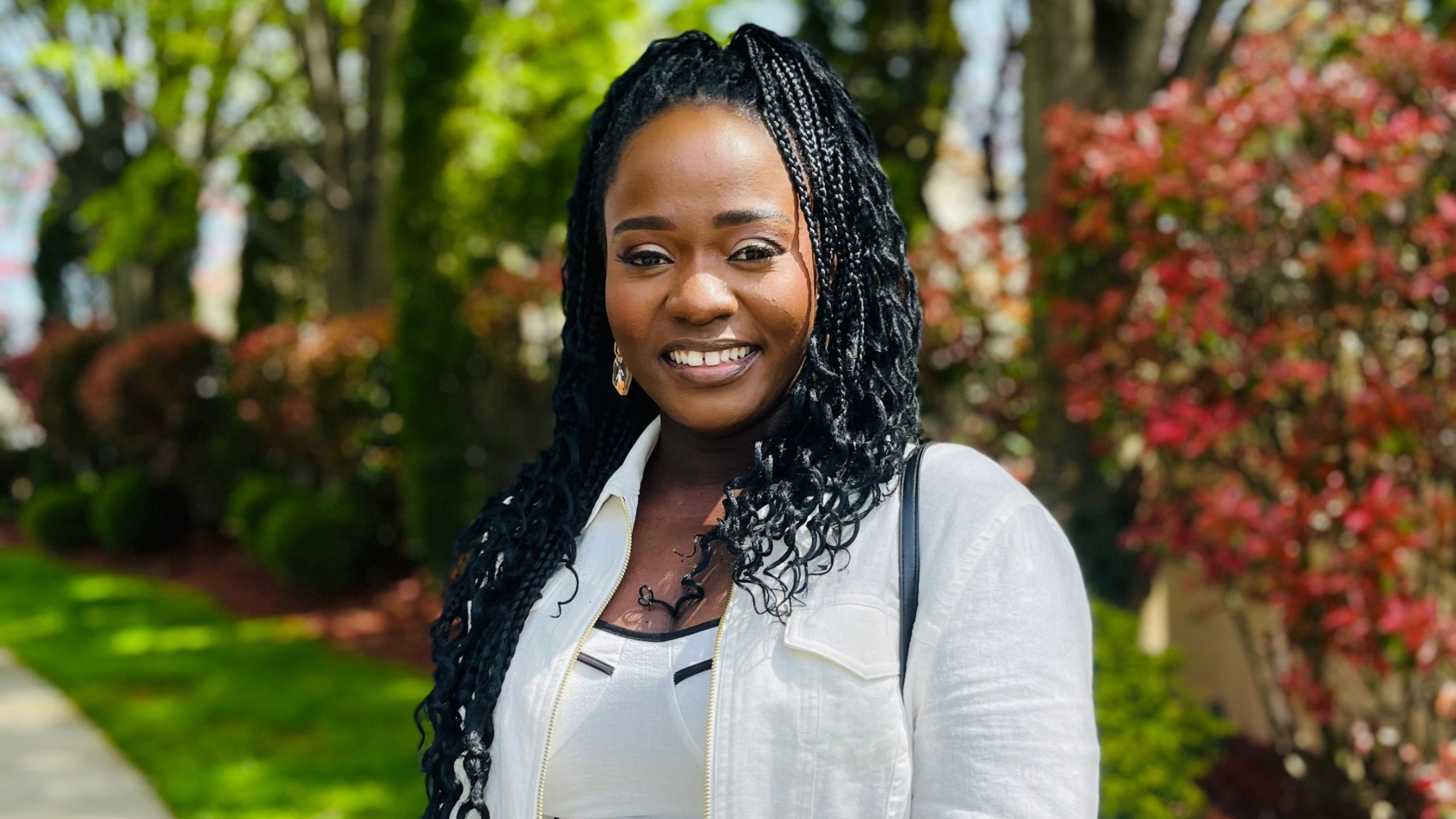
When Abena Ntim Asamoah began analyzing health data from 40 studies across the developing world, she uncovered a pattern that pharmaceutical companies and tech giants had missed: the solution to one of global health’s deadliest problems was already in millions of women’s pockets.
The graduate researcher at Harrisburg University in Pennsylvania was studying how digital technologies intersect with pharmaceutical science when she made a startling discovery. Mobile health interventions were reducing maternal deaths in ways that decades of traditional medical aid had struggled to achieve.
“We’ve been approaching maternal mortality as a medical problem that needs medical solutions,” says Asamoah, whose background in pharmaceutical analytics gave her a unique vantage point. “But the data revealed it’s often an access and information problem that technology solves better than drugs ever could.”
Her systematic review, published this week, analyzed thousands of pregnancies across sub-Saharan Africa and South Asia, revealing how data-driven health interventions are saving lives in real time.
The scale of the crisis is staggering. Every day, roughly 800 women die from preventable pregnancy and childbirth complications, with 94 per cent of these deaths occurring in developing countries. Traditional healthcare interventions have made progress, but not fast enough.
Enter big data and mobile technology. Asamoah’s research shows that when health systems harness digital tools to track, predict, and respond to maternal health risks, outcomes transform dramatically.
Electronic health records are allowing clinicians to identify high risk pregnancies before complications become fatal. Machine learning algorithms can now flag warning signs that human providers might miss. Mobile apps collect real time data on thousands of mothers, creating feedback loops that improve care for everyone.
“We’re seeing the power of aggregated data,” Asamoah explains. “A midwife in rural Kenya treating a complication can now benefit from patterns identified across 10,000 similar cases in Ghana, India, and Bangladesh.”
The numbers validate her insights. Her analysis found that digital health platforms increased antenatal care attendance by 45 per cent. Telehealth consultations improved skilled birth attendance by 38 per cent. Digital education systems helped mothers recognize danger signs earlier, when intervention could still save lives.
But it is the integration of these technologies that excites Asamoah most. A pregnant woman in a remote village might receive SMS reminders based on her electronic health record, consult via video with a specialist monitoring data from her region, and get personalized health advice generated by artificial intelligence analyzing similar cases.
“This is precision public health,” she says. “We’re applying the same data driven approaches that pharmaceutical companies use for drug development, but for healthcare delivery.”
The pharmaceutical analytics student saw patterns others missed partly because of her training. Where public health experts saw logistical challenges, she recognized data problems. Where tech developers saw users, she saw patients whose outcomes could be measured and optimized.
Yet her research also exposes the dark side of the digital health revolution. The same data systems that save lives in well connected cities often fail in areas with unreliable electricity and internet. The algorithms trained on urban populations may not work for rural communities. Electronic health records mean nothing if clinics lack computers or staff who can use them.
“Technology isn’t neutral,” Asamoah warns. “Without careful implementation, we could create a two tier system where data rich urban hospitals provide world class care while data poor rural clinics fall further behind.”
Her review identified critical success factors. Programs that worked trained local health workers extensively, designed systems that functioned offline, and involved communities in development. Those that failed treated technology as a plug and play solution.
Data privacy emerged as another concern. In many countries implementing digital health systems, regulations protecting patient information lag far behind the technology. Asamoah’s research highlights cases where sensitive maternal health data was inadequately secured, eroding community trust.
“We need governance frameworks as sophisticated as the technology itself,” she argues.
The implications extend beyond maternal health. Asamoah’s findings suggest that data driven digital interventions could transform how healthcare is delivered across Africa and Asia, from managing chronic diseases to responding to epidemics.
International health organizations are paying attention. Her work comes as the World Health Organization pushes member states to invest in digital health infrastructure, viewing it as essential to achieving universal health coverage.
For Asamoah, the research represents a convergence of her passions: pharmaceutical science, data analytics, and improving health outcomes in her native Ghana and across the developing world.
“We’re at an inflection point,” she says. “We have the technology, we have the data, and we understand what works. The question is whether we’ll invest in systems that reach every mother, or just the ones easiest to connect.”
Her answer comes through clearly in the data she has spent months analyzing. Digital health works, but only when implemented with the same rigor and equity that she believes should define all pharmaceutical and medical interventions.
The 295,000 women who die annually from preventable pregnancy complications represent more than a statistic to her. They represent a solvable problem, if the world applies technology and data as tools for equity rather than efficiency alone.