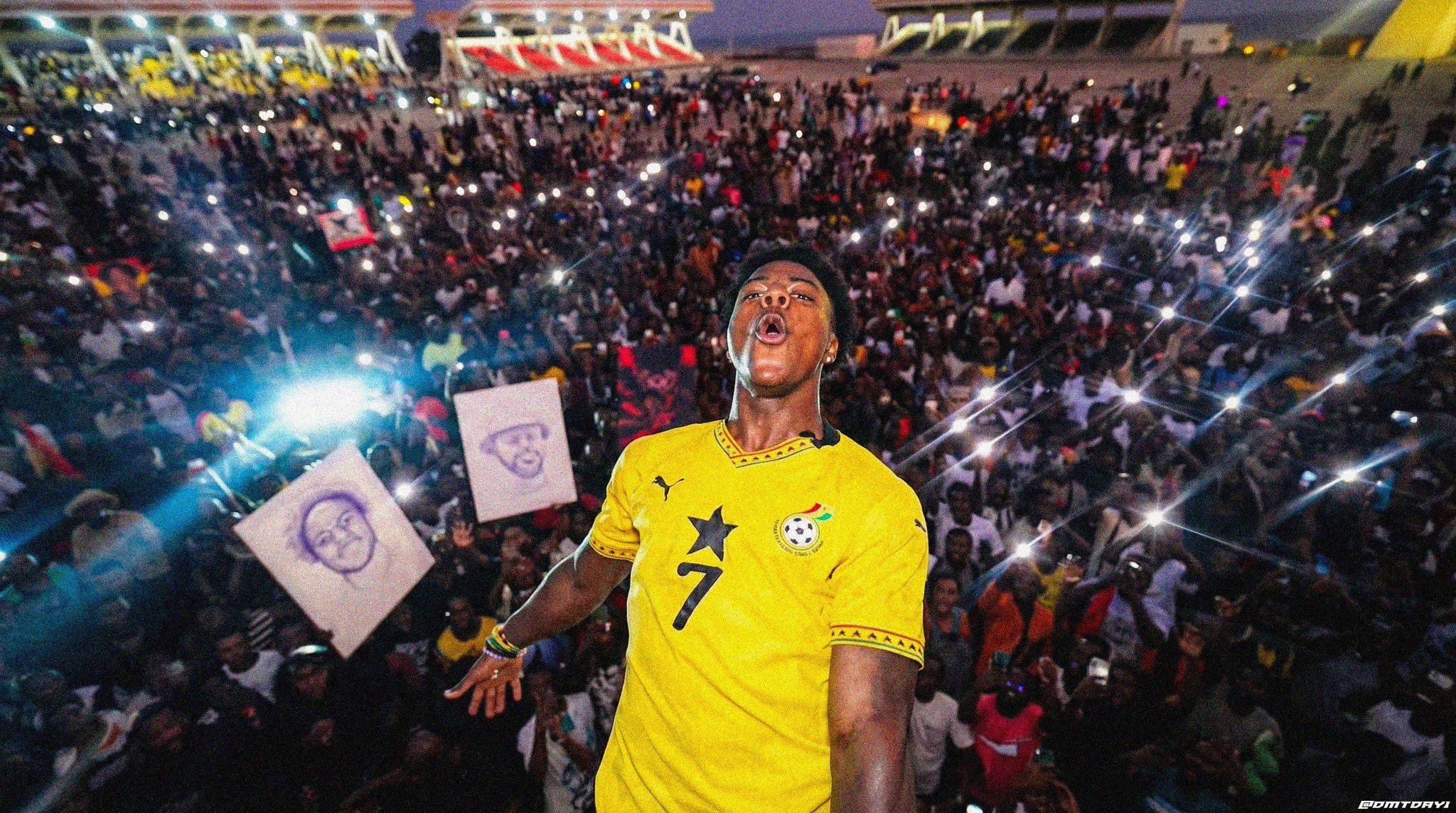
In January 2026, the digital world was captivated by a sight few could have predicted a decade ago: Darren Jason Watkins Jr., better known as IShowSpeed, sprinting through the streets of Accra, draped in Kente, and shouting his newfound Akan name, Barima Kofi Akuffo, to a global audience of millions.
The visit was much more than a chaotic viral tour. It was a masterclass in “Creator Tourism”—a shift that marks the end of traditional, polished travel brochures and the beginning of raw, unscripted national branding.
The Strategic Anatomy of a Visit
What unfolded during Speed’s Ghana visit was nothing short of intentional brilliance. It was a journey that balanced high-octane spectacle with deep cultural grounding.
Natural Wonder: The tour began at the Asenema Waterfalls in the Eastern Region. By starting with raw, dramatic visuals, Ghana positioned itself as a place of natural wonder, distancing itself from the “urban-only” perception often held by Western Gen Z audiences.
Symbolic Inclusion: In Akropong, the ceremony naming him “Barima Kofi Akuffo” was a stroke of marketing genius. It transformed him from a tourist into a “son of the soil.” This wasn’t just a ceremony; it was a narrative of homecoming that resonates deeply with the African diaspora.
Modern Range: The pivot from the traditional naming ceremony to a helicopter arrival in Accra showcased Ghana’s range. It proved that the country is not just a museum of history, but a modern, thriving landscape capable of high-end logistics and luxury.
The Hamamat Masterclass: Storytelling Over Sales
While the high-energy backflips at Independence Square and sparring with Bukom Banku provided the “high-share” virality, the visit to Hamamat’s Shea Butter Museum was the most powerful segment of the entire stream.
Hamamat Montia delivered a global case study in sensory marketing. Through coordinated costumes, traditional rituals, and a live demonstration of shea butter production, she transformed a commodity into a symbol of Ghanaian excellence.
When Speed received that massage, the narrative slowed down, adding humanity and comfort to the chaos. For a global audience, shea butter was no longer just a product—it became culture, heritage, and luxury.
What This Means for Ghana and Africa
Speed’s tour, which covered 20 countries in 28 days, has done more for African tourism than millions of dollars in conventional advertising could ever achieve.
1. The Demographic of the Future
Speed’s audience is primarily Gen Z and Gen Alpha. By engaging them now, Ghana is building a “soft power pipeline.” When these viewers have disposable income in five to ten years, Ghana will already be on their travel shortlist.
2. Challenging the Poverty Narrative
For decades, the West has viewed Africa through a lens of “poverty and violence.” Speed’s unfiltered, nine-hour streams showed the world vibrant cities, safe streets, world-class dancers like Dancegodlloyd and Afronita, and a creative pulse that is undeniably contagious. It provided a “counter-narrative” that felt earned, not bought.
3. Validation and Digital Aspiration
For the thousands of Ghanaian youth who lined the streets, seeing a global superstar embrace their culture was a moment of validation.
It signals that African culture is not just something to be preserved, but something that the entire world is eager to consume and participate in.
The Final Verdict
The coordination and sequencing of this visit—especially considering the short planning window—demonstrate that Ghana is learning how to “speak digital.” Ghana, through strategic stops and storytelling, turned Speed’s content creation into a lasting global impression.
In the era of digital soft power, influence no longer belongs solely to diplomats. Sometimes, it belongs to a streamer with a camera, a backflip into Ghana Jollof and a country ready to show its best self.