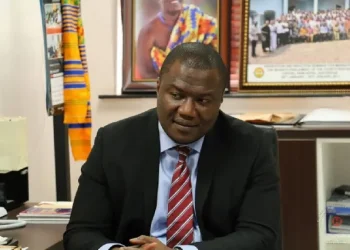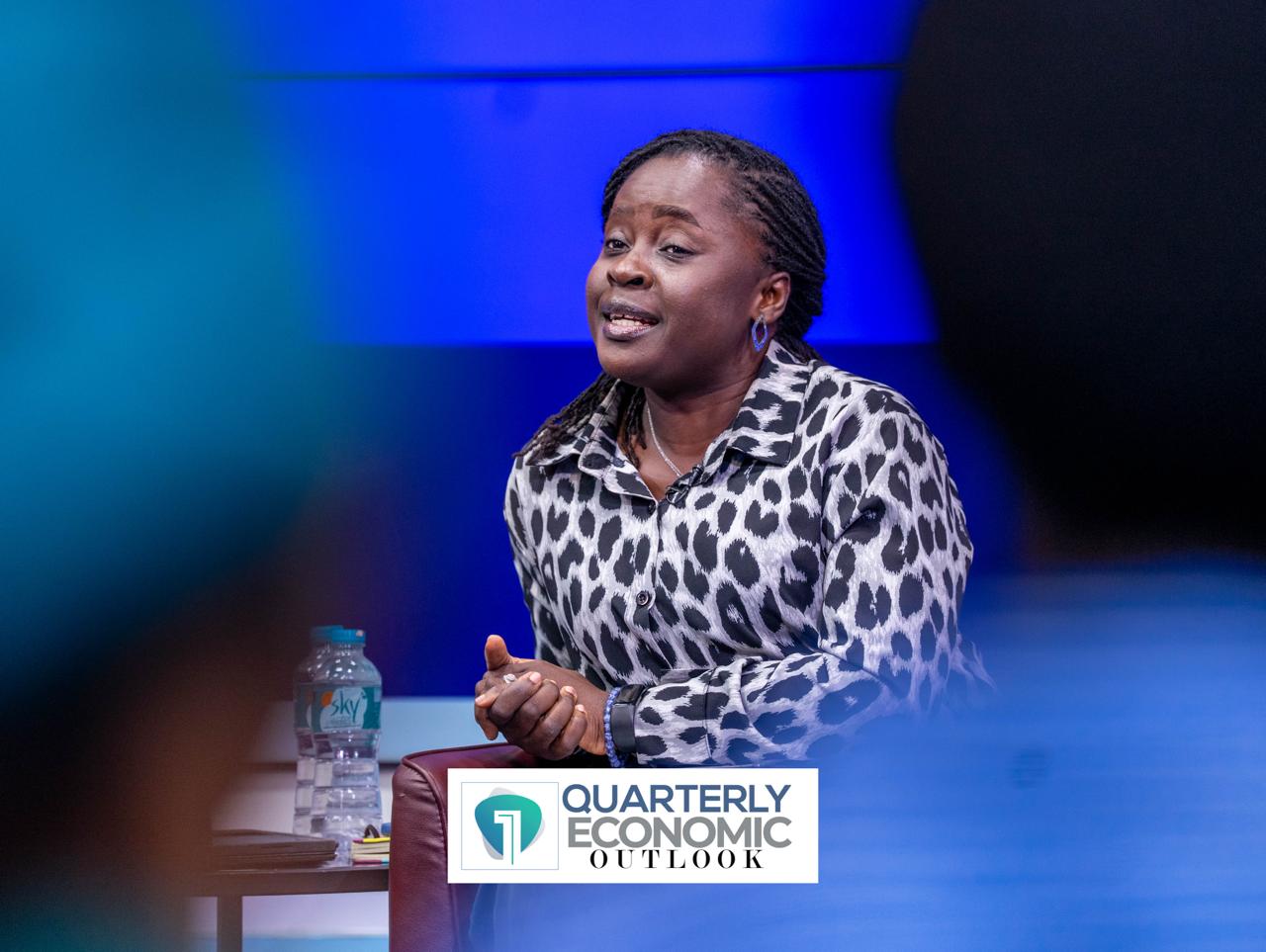
Senior Lecturer at the Economics Department at the University of Ghana, Dr. Gloria Afful-Mensah says the sharp rise in the Open Market Operations (OMO) costs by the Bank of Ghana and reported losses from gold trading are imperative to understanding both the decline in inflation and strengthening of the country’s external reserves.
Exclusive data sighted by Citi News indicate that the Bank of Ghana spent GH₵16.7 billion on OMO interventions in 2025, almost double the GH₵8.6 billion recorded in 2024.
The GH₵8.1 billion increase signals an aggressive monetary tightening stance to mop up excess liquidity after a prolonged period of macroeconomic instability.
Simply, the Central Bank paid significantly higher interest to absorb surplus cash from the financial system.
According to Dr. Afful-Mensah, this is a costly but necessary step to regain control over inflation dynamics.
“This is the cost that the Central Bank absorbed. There was that structural problem but now the path has narrowed. If you compare the economic cost associated with the accounting losses in the books of the bank, the cost on the ordinary person, the implication of income levels if you don’t want to worsen inequality levels [the action by the BoG] was worth it”, she said on Channel One TV‘s Quarterly Economic Outlook on Monday.
Even before the Bank of Ghana releases its 2025 financials later this week, substantial losses linked to the GOLDBOD initiative and the Domestic Gold Purchase Programme (DGPP) are expected to have some impairments on the balance sheet of the Central Bank.
However, the economist cautions that these losses are largely accounting effects rather than actual cash losses.
Under the DGPP, gold is purchased locally from miners in cedis at prevailing market rates.
Yet, once acquired, the gold is recorded in the Bank of Ghana’s books using the official interbank exchange rate.
This discrepancy creates an immediate accounting loss at the point of purchase even though no money has actually left the system.
In 2025, this gap widened considerably due to the rapid appreciation of the Ghanaian cedi.
For Dr. Afful-Mensah, the trade-off is strategic.
“So if the correction has been done, we shouldn’t expect a loss next year. So for 2026, if there’s a loss, we have an issue”, she cautioned.
Ghana’s reserve management approach is moving from reliance on borrowed reserves to domestically accumulated assets.
Between 2017 and 2022, the country built approximately $21.7 billion in reserves largely through external borrowing.
In contrast, the current model prioritises gold accumulation sourced within the local economy.
By December 2025, Gross International Reserves had reached $13.8 billion, signalling a more sustainable and internally driven buffer.
The strategy is also enhancing Ghana’s ability to withstand external shocks, particularly amid global uncertainties such as rising oil prices and volatile commodity markets in 2026.
She concluded by saying, pressure on the finances of the Bank of Ghana is expected to ease following the passage of the Ghana Accelerated Reserve Accumulation Programme in February 2026.