Dr Opoku Ware Ampomah has outlined a series of interventions implemented during his tenure as Chief Executive Officer of the Korle Bu Teaching Hospital aimed at addressing the persistent “no bed syndrome” in Ghana’s emergency healthcare system.
Speaking as keynote speaker at the Odade3 Conversations Under the Baobab Tree in Accra on Thursday, April 30, Dr Ampomah highlighted key reforms undertaken between 2020 and 2024 to expand capacity and improve emergency care delivery at the hospital.
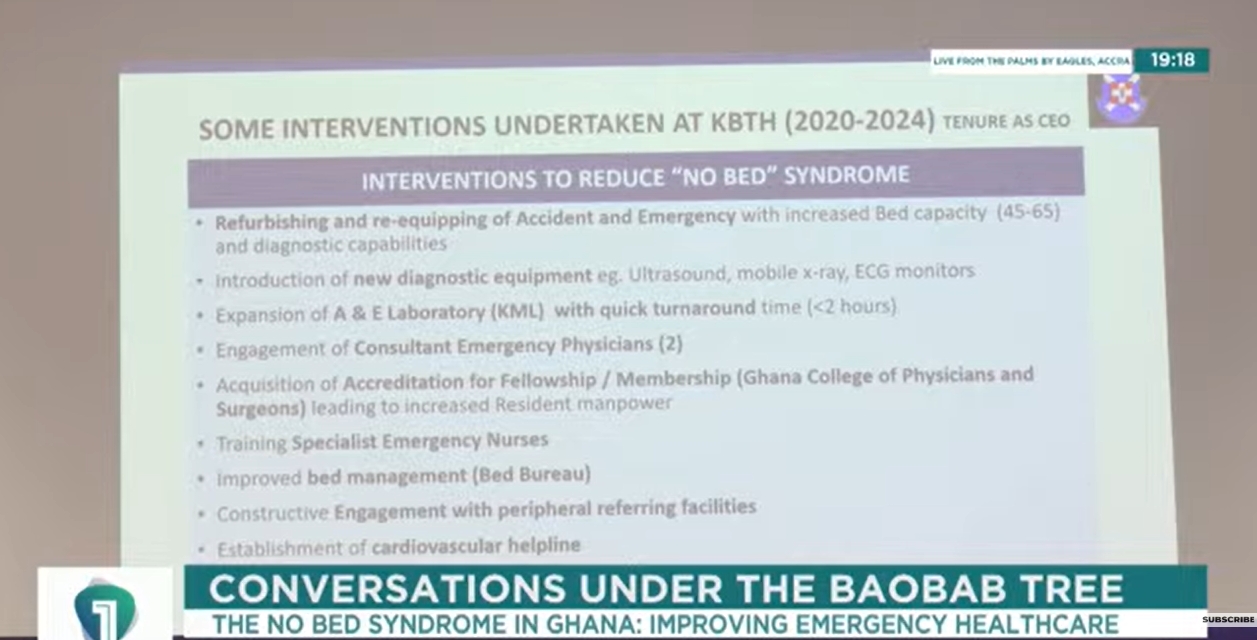
He noted that one of the major steps taken was the refurbishment and re-equipping of the Accident and Emergency (A&E) Centre, which increased bed capacity from 45 to 65 while enhancing diagnostic capabilities.
According to him, the hospital also introduced new diagnostic equipment, including ultrasound machines, mobile X-ray units, and ECG monitors, to support faster and more accurate emergency care.
Dr Ampomah further indicated that the expansion of the A&E laboratory, operated by the Korle Bu Medical Laboratory, significantly reduced turnaround time for test results to under two hours, improving response times for critical cases.
He added that the hospital engaged two consultant emergency physicians and secured accreditation for fellowship and membership training under the Ghana College of Physicians and Surgeons, a move that boosted the number of resident doctors available for emergency care.
In addition, specialist emergency nurses were trained to strengthen frontline care delivery, while improvements in bed management systems, including the introduction of a Bed Bureau, helped streamline patient admissions and reduce congestion.
Dr Ampomah also pointed to stronger collaboration with peripheral referring facilities as a key measure to manage patient flow more effectively, alongside the establishment of a cardiovascular helpline to support urgent cardiac cases.
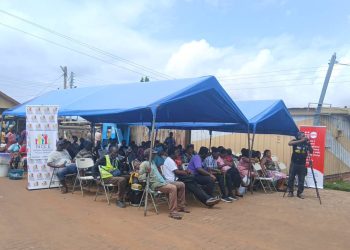
The event, themed “The No Bed Syndrome in Ghana: Improving Emergency Healthcare,” brought together stakeholders to explore practical solutions to the country’s emergency care challenges.
This comes amid risen concerns over the nation’s no bed syndrome in many hospitals following the demise of a pregnant woman in Kasoa. Abigail Opoku reportedly died at the Mother and Child Hospital on Sunday, April 26, 2026, after allegedly being denied a caesarean section due to a lack of available beds in the recovery ward.
Read more below
Kasoa: Pregnant woman dies after C-section request allegedly denied due to lack of bed