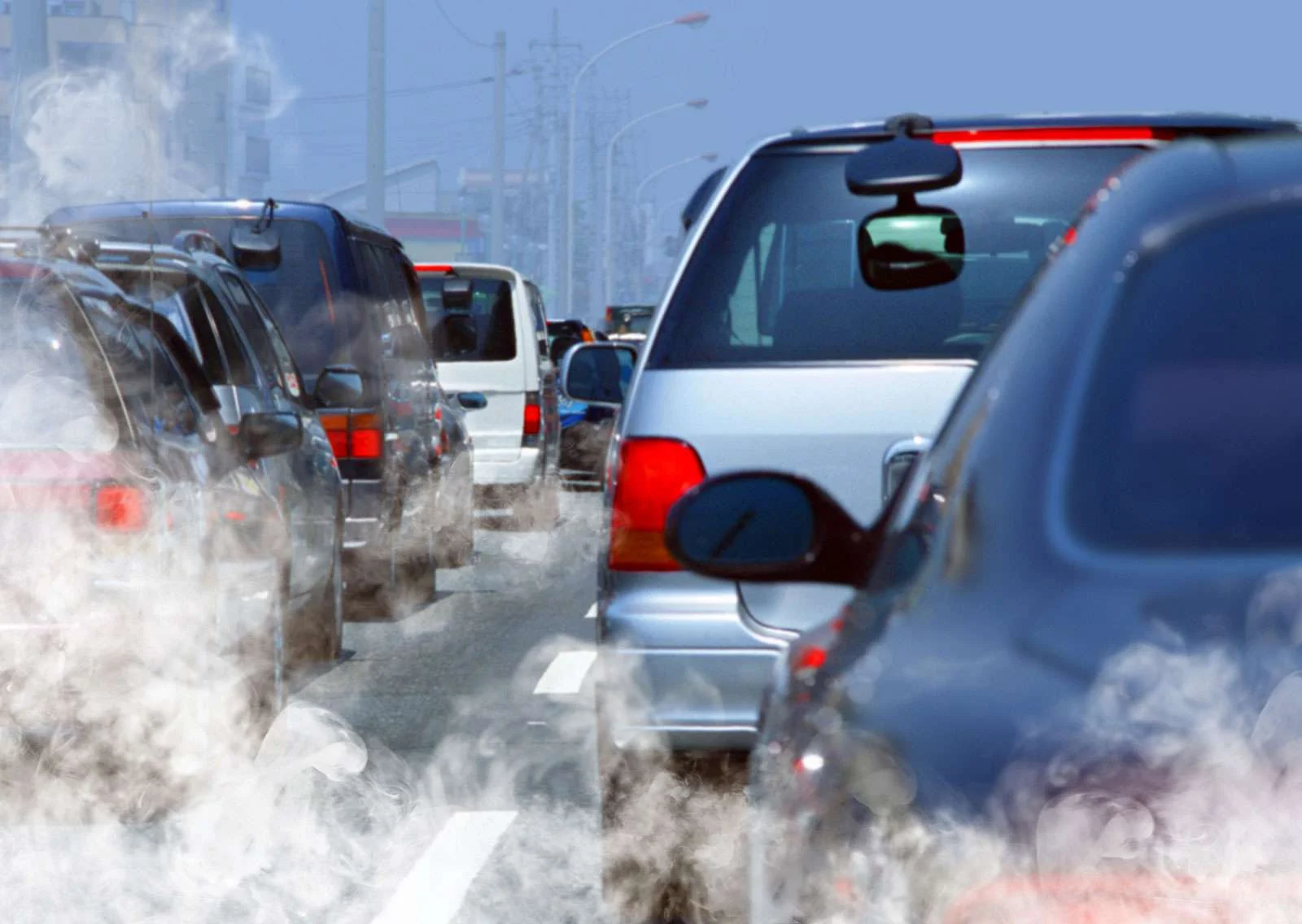
Preliminary findings from a major child health study have shown that exposure to air pollution in the first year of life may compromise the immune defences and increase the risk of respiratory infections in infants.
The findings were presented at the Pediatric Academic Societies Meeting in Boston, USA, which took place from the 24th to the 27th of April, and was led by the Precision Vaccines Program at Boston Children’s Hospital and forms part of a broader longitudinal research project supported by the National Institute of Allergy and Infectious Diseases in the US.
The researchers assessed babies aged two, five, nine, and 12 months, enrolled in the Immune Development in EArly Life Rome cohort (Ospedale Pediatrico Bambino Gesù (OPBG), with more information gleaned from follow-up interviews over the phone.
According to researchers, infants exposed to higher levels of common urban pollutants, including particulate matter (PM₁₀), nitrogen oxides (NOₓ), and nitrogen dioxide (NO₂), recorded a higher burden of physician-diagnosed respiratory infections during their first year of life.
Infancy is a critical period for immune development, and the researchers believe that exposure to contaminated air during this stage could cause more significant problems for infants than compromise lung health.
The findings indicate that the air infants breathe in their first year of life may also influence the development of their immune defences, leaving them vulnerable to a number of respiratory illnesses.
Respiratory infections and wheezing episodes were recorded in the study, while exposure to air pollution was estimated by linking each child’s residential postal code to the nearest government air quality monitoring station.
According to the study, higher cumulative exposure to pollutants was consistently associated with more recurrent respiratory infections.
The strongest association was observed with particulate matter, while nitrogen oxides and nitrogen dioxide also showed significant correlations.
The study further noted that individual illnesses, including bronchiolitis, bronchitis, acute otitis media, COVID-19, and tonsillitis, were also linked to higher pollution exposure, although the associations were weaker.
The lead author of the study and Assistant Professor at OPBG, Donato Amodio, said the results of the study show the need to provide more environmental protection for children during this formative stage of their lives.
“Our findings from the IDEaL Rome cohort suggest that the air infants breathe in their first year of life does more than just affect their lungs,” he said
“It may fundamentally shape their immune resilience. We found a clear, significant link between common urban pollutants and a higher burden of respiratory infections and wheezing. This research underscores the urgent need for environmental protections to safeguard our children during their most critical developmental windows.”
Air pollution and children’s brains
A recent report on the State of Global Air noted that there is increasing evidence that air pollution can be linked to brain disorders.
The health fact sheet says contaminated air could lead to neurodevelopmental disorders in children and neurodegenerative diseases such as Parkinson’s disease and Alzheimer’s disease in older adults.
According to the report, when inhaled, PM2.5 enters the lungs, circulates in the blood, and makes its way to the brain, where inflammation and damaged brain tissue are risks.
This story was a collaboration with New Narratives. Funding was provided by the Clean Air Fund which had no say in the story’s content.