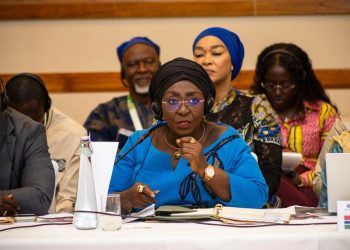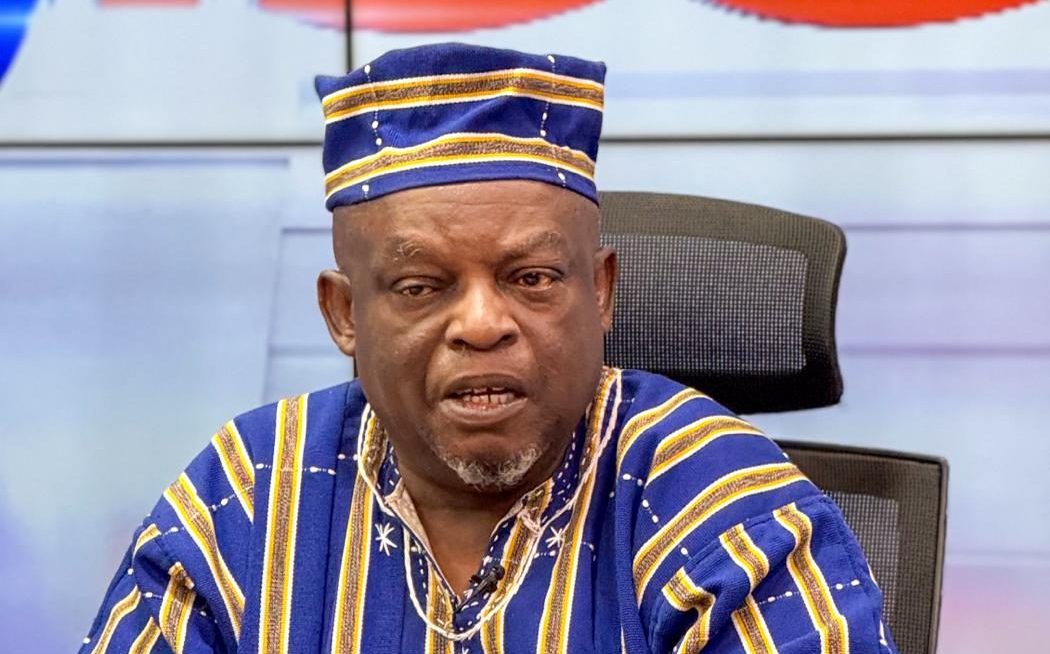
Toma Imihere, a financial analyst, has cautioned that Ghana’s economic recovery remains fragile despite government’s decision to transition away from a financial bailout arrangement with the International Monetary Fund (IMF).
According to him, the country’s underlying economic fundamentals are yet to fully stabilise, pointing to looming debt obligations between 2027 and 2030, as well as persistent inflationary pressures from the global economy.
His comments follow the Government of Ghana’s announcement of the successful conclusion of the country’s US$3 billion Extended Credit Facility programme with the IMF.
Although the development signals Ghana’s exit from a financial bailout arrangement, the country is expected to move into a non-financial policy support framework.
Government has said the conclusion of the programme reflects the restoration of macroeconomic stability and progress towards debt sustainability ahead of the original programme timeline.
Speaking on Channel One TV’s The Big Issue with Umaru Sanda Amadu on Saturday, May 16, Mr Imihere stressed that the country still faces significant economic vulnerabilities.
“No, we are not squeaky clean. We’re better than we were about three or four months ago. But squeaky clean, no. We have lots of debts falling due from 2027 to 2030, so we have to deal with them.
“There’s still pressure on the cedi. Because with all we have achieved in the past one and a half years, we are still as import-dependent as we were. Inflation is down, but there are inflationary pressures from the global economy, which we hope will be temporary. The recovery we’re experiencing is fragile. We have a long way to go. I hope we have learned some lessons; Ghana’s story is a history of repeating mistakes,” he added.
In a statement issued by Presidential Spokesperson and Minister for Government Communications, Felix Kwakye Ofosu, government attributed the economic turnaround to a series of aggressive fiscal and structural reforms introduced after the programme experienced setbacks at the end of 2024.
The statement noted that the administration of John Dramani Mahama implemented frontloaded fiscal consolidation measures, expenditure rationalisation and broader structural reforms aimed at restoring economic confidence and stabilising the economy.