
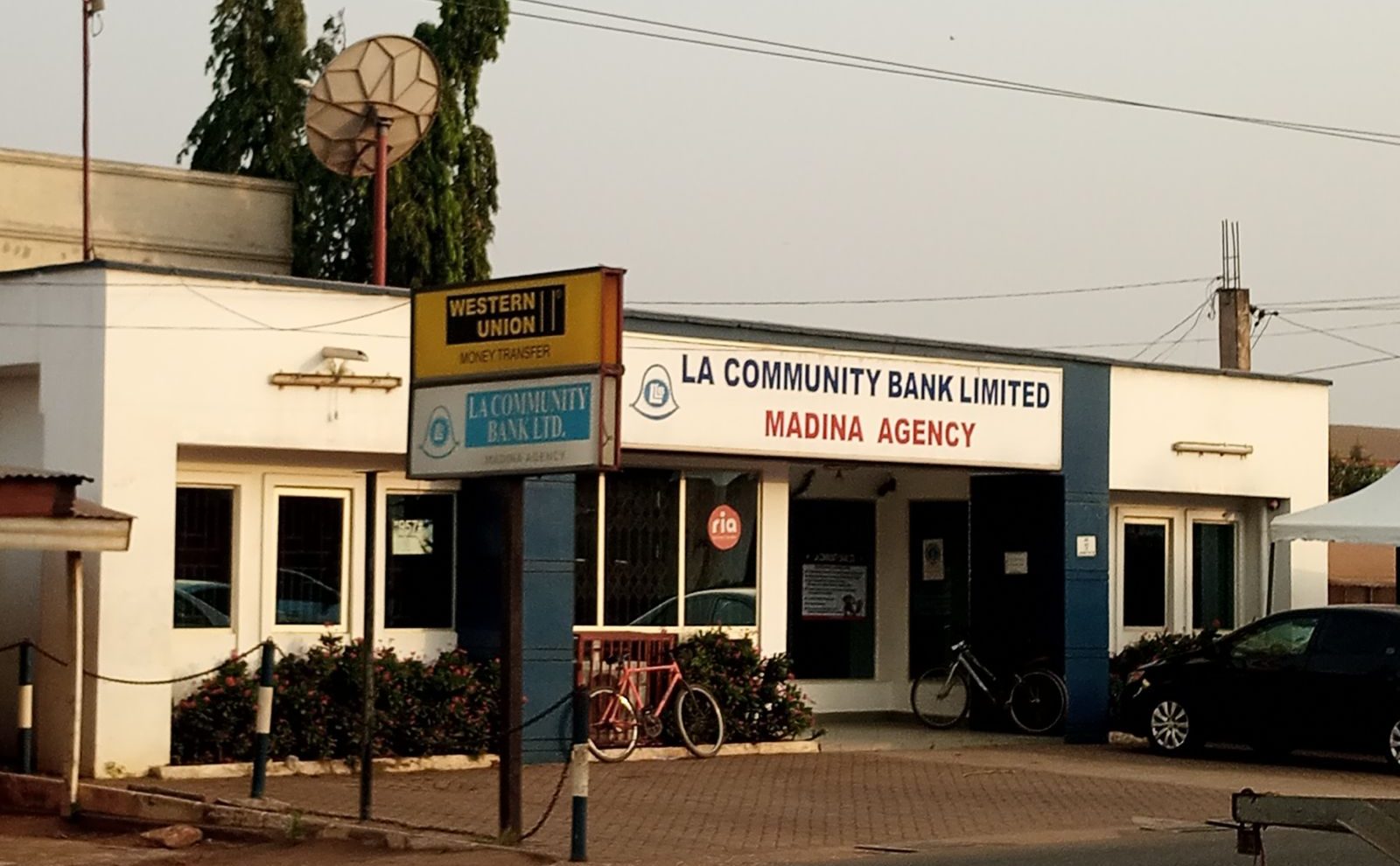
The Association of Community Banks says its members have begun taking steps to comply with new regulatory timelines under the Bank of Ghana’s Revised Microfinance Sector Framework 2026, following the official conversion of all Rural and Community Banks into Community Banks.
The reform, which forms part of a broader restructuring of Ghana’s microfinance sector, is aimed at modernising the industry and strengthening financial inclusion across rural and urban communities.
Speaking to Citi Business News, the Executive Director of the Association of Community Banks, Solomon Amankwah, said the sector recognises the importance of the reforms, stressing that the regulator’s directives are not new to the industry.
“It is established that Bank of Ghana is our regulator and time and time again they come out with industry regulation that will guide the sector into making us stronger and more resilient,” he said.
He explained that the transition from rural banks to community banks is part of a long-running process of restructuring within the subsector.
“Being in existence for 50 years, it is time for us to look into ourselves and our activities and try to reshape the sector to resonate with current situations,” he noted.
Under the Bank of Ghana’s Revised Microfinance Sector Framework 2026, all rural banks have now been converted into community banks and are required to complete statutory name changes, corporate rebranding, and other regulatory adjustments by the end of December 2026.
The sector is also expected to comply with a new GH¢5 million minimum capital requirement, up from GH¢1 million, as part of efforts to strengthen financial stability and resilience.
Mr. Amankwah said while the association supports the reforms, members initially raised concerns about the tight timelines, especially the cost implications of rebranding and compliance.
On the capital requirement, Mr. Amankwah admitted that it remains a major challenge for some institutions, although others have already made progress.
“When it comes to the capital requirement, it’s a difficult one. To come by 5 million within a split of one year is not easy,” he said.
He noted that while some banks have already met the requirement, others are still working towards compliance ahead of the deadline.
“Some of them have already met the 5 million capital requirement others are preparing hard to meet the deadline,” he stated.
Under the framework, banks are expected to submit their capital mobilisation plans to the Bank of Ghana by June 30, after which progress will be reviewed in September before final compliance is assessed at the end of December 2026.
The Association says it will continue engaging the regulator as the transition unfolds, even as concerns remain over whether all institutions will be able to meet the new capital threshold on time.