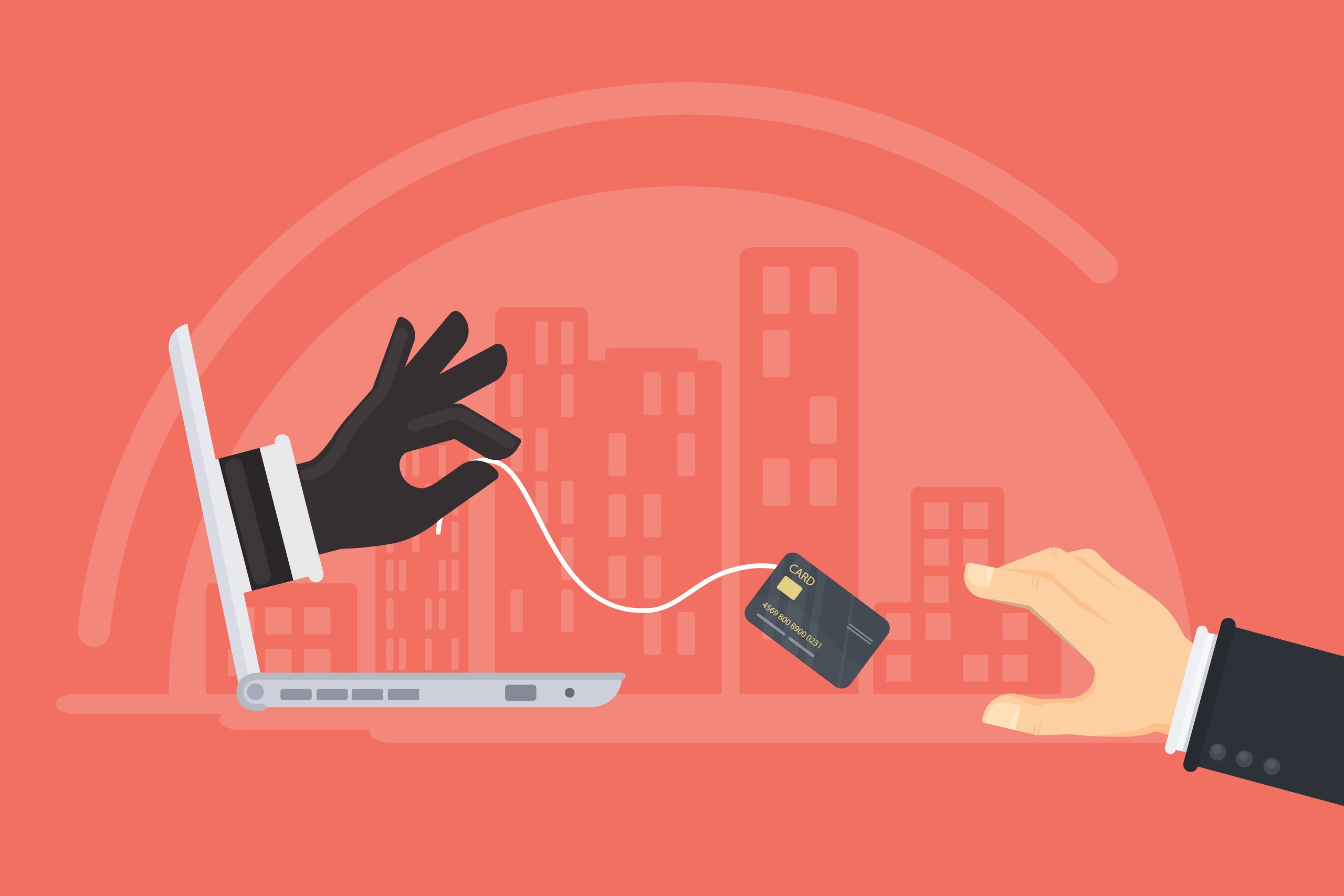
On a regular Monday afternoon, Kwaku Rasta, a graduate of the University of Ghana with a first degree in Psychology, receives a supposed SMS alert from his bank, prompting him to click a link to answer certain questions that will enable the bank to safeguard his accounts. Kwaku assumes it is a normal routine.
In the process, he is made to provide the name on his bank account, his bank account number, email address attached to the account and a box is provided for him to input a One-Time Password (OTP) sent to him. He completes the process thinking his money is safe, and in less than 10 minutes, he receives an alert that a substantial amount of money has been debited from his account.
Was Kwaku Rasta ignorant? Did he engage an entity or brand he is not familiar with? Did he act out of greed? He did what all smart people would do: take advantage of an opportunity to secure their funds! This has been the fate of many diligent and educated individuals, corporate institutions, and even religious bodies.
A September 2025 report by IMANI Africa on Cybercrime in Ghana revealed that the country lost GH¢14.94 million in the first half of 2025, up 17% from the same period last year.
Reported incidents increased from 1,317 in early 2024 to 2,008 in 2025, with online fraud, cyberbullying, and blackmail accounting for the majority of cases. The alarming figures speak to how online scams are fast taking root in Ghana’s financial ecosystem.
But why do smart people easily fall for online scams?
Intelligence doesn’t override emotional triggers
Modern scams rarely target intellect and logic; they are tactically and socially engineered to target emotions, making it easy for the most educated and the most exposed to fall prey.
A report on mobile money fraud cases in the first quarter of 2025 named doctors, cybersecurity professionals and lawyers among the many victims of online scams.
This is to prove that in most cases of online fraud, it is not software vulnerabilities, system failures, or lack of knowledge, but a comprehensive exploitation of human nature.
Fear, urgency, excitement, and greed are powerful shortcuts the brain reacts to automatically.
A message like “Your account will be locked in 10 minutes” or “6 attempts have been made to log in to your Bank Mobile App; click here to verify it’s you” bypasses careful reasoning. Even highly analytical people can react before they verify.
This makes understanding the manipulative techniques employed by scammers the key step in shielding yourself against cyber fraud.
Authority and Trust Can Be Easily Faked
One reason smart people fall for scams is that scammers have become remarkably good at looking legitimate.
They no longer rely on poorly written emails filled with spelling mistakes. Today’s cybercriminals often imitate trusted organisations so convincingly that many people struggle to tell the difference.
A scam message may appear to come from your bank, a mobile money provider, the Ghana Revenue Authority, a delivery company, or even a senior executive at your workplace. The logo looks genuine. The language sounds professional. The request appears urgent and important.
In many cases, the scammer’s goal is to direct you to a phishing website—a fake website designed to steal sensitive information such as usernames, passwords, card details, or one-time verification codes.
For example, instead of directing you to a legitimate website a scammer may create a nearly identical domain. At first glance, the difference is easy to miss, especially when viewed on a smartphone screen.
Cybercriminals also use techniques such as domain spoofing, lookalike URLs, and email impersonation to make fraudulent messages appear authentic. Some fake websites even include valid security certificates, causing the browser to display the familiar padlock icon that many people mistakenly assume guarantees safety.
That is what makes modern phishing attacks so effective. They do not rely on technical hacking alone. They exploit trust, urgency, and human psychology. The objective is simple: create just enough credibility that even experienced professionals hesitate to question what they are seeing.
Time Pressure Reduces Critical Thinking
Urgency is one of the most powerful weapons in a scammer’s toolkit.
Cybercriminals understand something that psychologists have known for years: when people feel rushed, they are more likely to make decisions based on emotion and instinct rather than careful analysis. In cybersecurity, this is known as creating a sense of urgency—a social engineering tactic designed to bypass rational thinking.
Think about some of the messages people receive every day:
“Your mobile money account will be suspended within the next hour.”
“Unusual activity has been detected on your bank account. Verify your details immediately.”
“Your package could not be delivered. Click here to confirm your address.”
“The CEO needs this payment processed urgently.”
The goal is not to give you time to think. The goal is to make you act before you verify.
When urgency takes over, people are less likely to inspect a website address, question an unexpected request, or notice subtle warning signs that something is wrong. Instead, they focus on solving the perceived problem as quickly as possible.
This is why many successful phishing attacks and business email compromise scams do not rely on sophisticated technology. They rely on human psychology. The scammer creates pressure, the victim reacts, and critical thinking takes a back seat.
Scams do not succeed because victims lack intelligence. They succeed because cybercriminals exploit trust, urgency, and human behaviour.
The most effective defence is not technical expertise, it’s good security habits: pause before acting, verify requests through official channels, and treat unexpected urgency as a red flag.
In cybersecurity, a few seconds spent verifying can prevent financial loss, account compromise, and identity theft. Vigilance is not paranoia; it is a necessary part of living safely in a digital world.
–
The writer Elliot Nuertey is a Journalist | Web developer | Cybersecurity Enthusiast | Digital Safety Advocate.