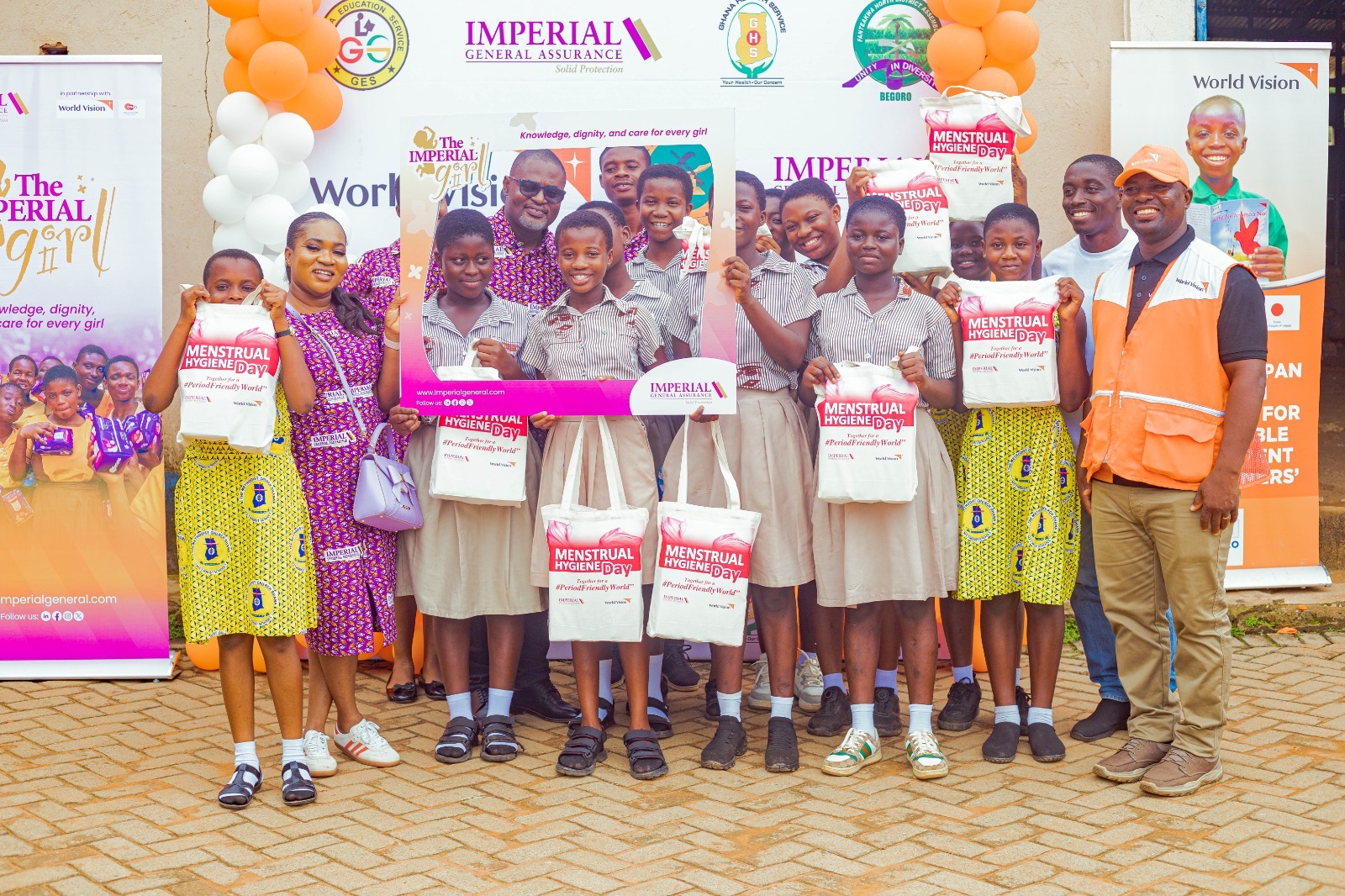
World Vision Ghana, in partnership with Imperial General Assurance, has marked this year’s World Menstrual Hygiene Day with a call for collective action to end menstrual stigma and improve menstrual health education for adolescent girls.
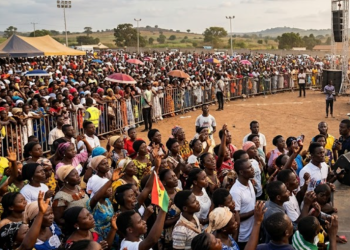
The event, held at Begoro in the Eastern Region under the theme “Together for a Period-Friendly World,” brought together students, teachers, health professionals, community leaders, and local government officials from the Fanteakwa North and South districts.
Speaking at the event, the Cluster Programmes Manager of World Vision Ghana, Felix Apeti, stressed the need to eliminate the stigma surrounding menstruation. He recounted the story of a woman living with endometriosis who has endured years of health challenges, describing it as a reminder of the need for greater support and understanding for girls and women.
He noted that many adolescent girls continue to face challenges such as school absenteeism, inadequate sanitation facilities, and cultural misconceptions about menstruation. According to him, addressing these challenges requires the involvement of boys, parents, community leaders, schools, and local authorities.
“The time has passed to say a big no to menstrual stigma. We can join hands to break it now and create a period-friendly world for our most cherished girls and women.” – he said
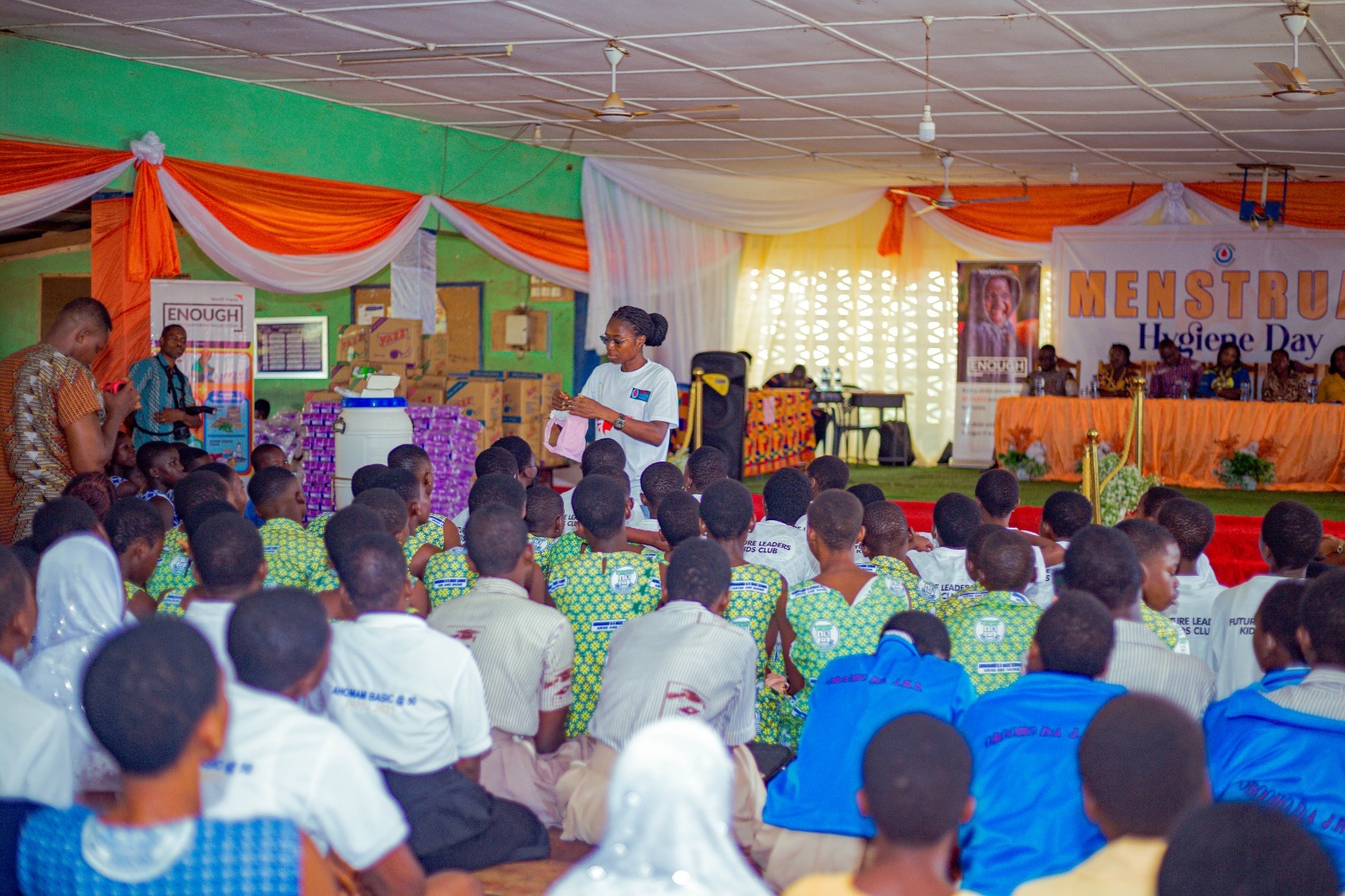
Participants engaged in educational sessions, open discussions, quizzes, and practical demonstrations aimed at improving knowledge and awareness of menstrual hygiene management among young people.
The Managing Director of Imperial General Assurance, Harry Boakye Ofori-Attah, reaffirmed the company’s commitment to supporting initiatives that promote the health and education of girls. He said investing in the well-being of young people contributes to stronger communities and better opportunities for future generations.
Students who participated in the programme said the sessions had helped improve their understanding of menstruation and boosted their confidence in discussing menstrual health issues.
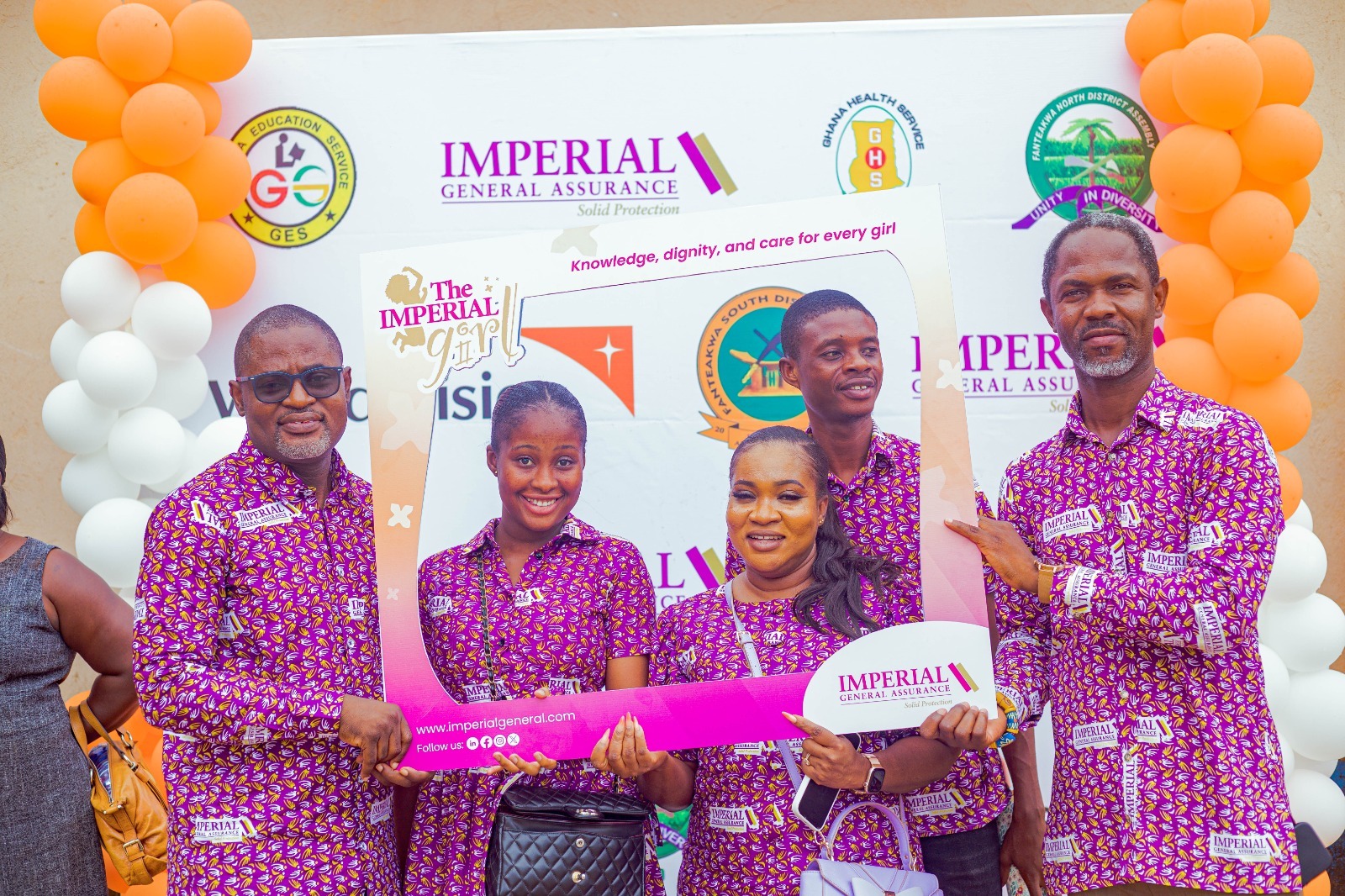
Officials from the Ghana Health Service, Ghana Education Service, district assemblies, and local religious organisations also attended the programme and encouraged continued efforts to promote menstrual health education.
World Vision Ghana announced plans to sustain the initiative through quarterly sensitisation programmes, peer mentorship groups for adolescent girls, and the integration of menstrual hygiene education into school health activities.
The organisation also renewed its commitment to supporting the provision of dignified changing facilities in schools and called on corporate institutions and local assemblies to support efforts aimed at creating a more period-friendly environment for girls.