Ashanti Regional Minister Dr. Frank Amoakohene has launched an intensified sanitation campaign across the Ashanti Region, warning that environmental laws will be strictly enforced to curb indiscriminate waste disposal and reduce the risk of flooding ahead of the expected heavy rains.
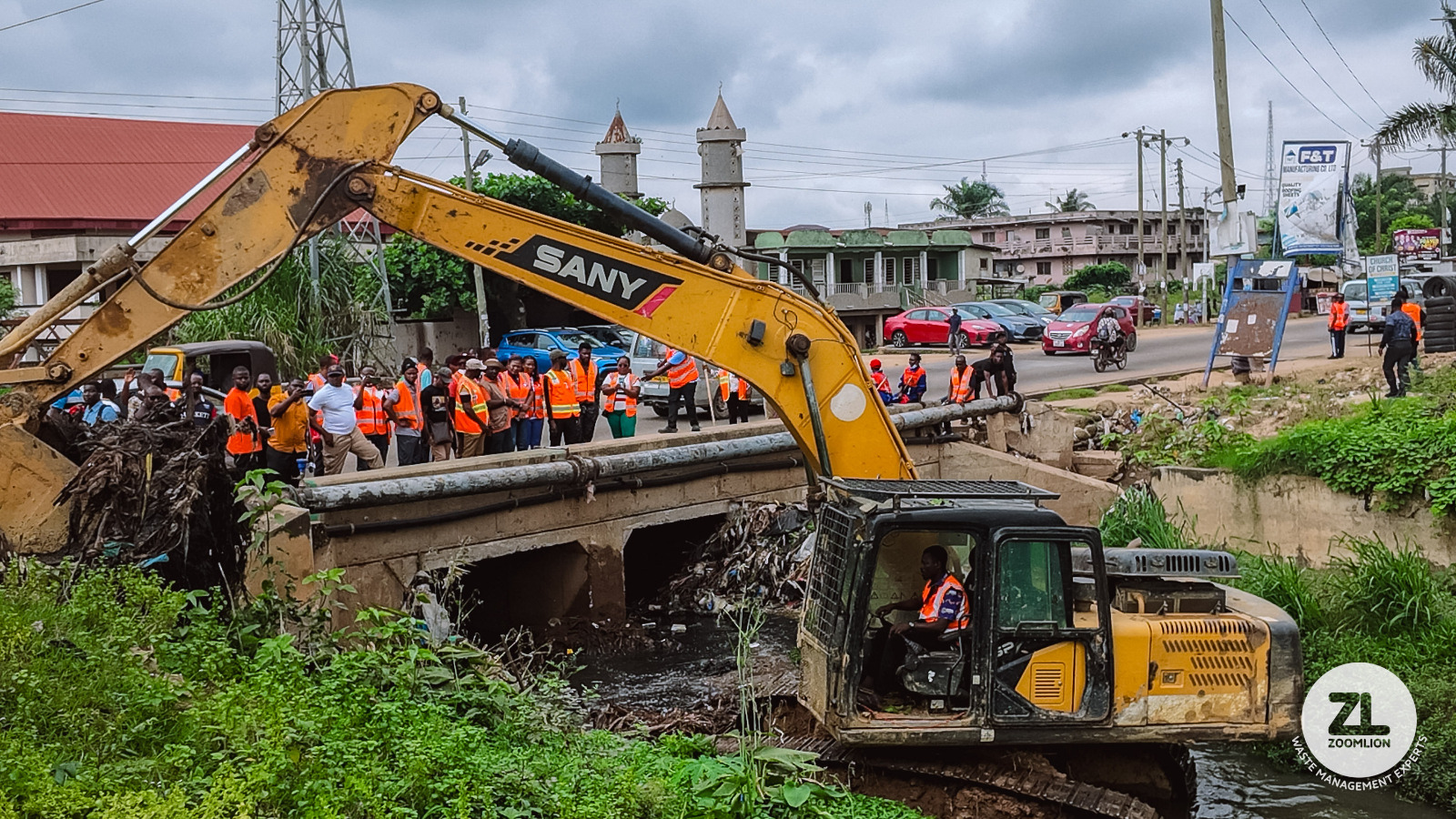
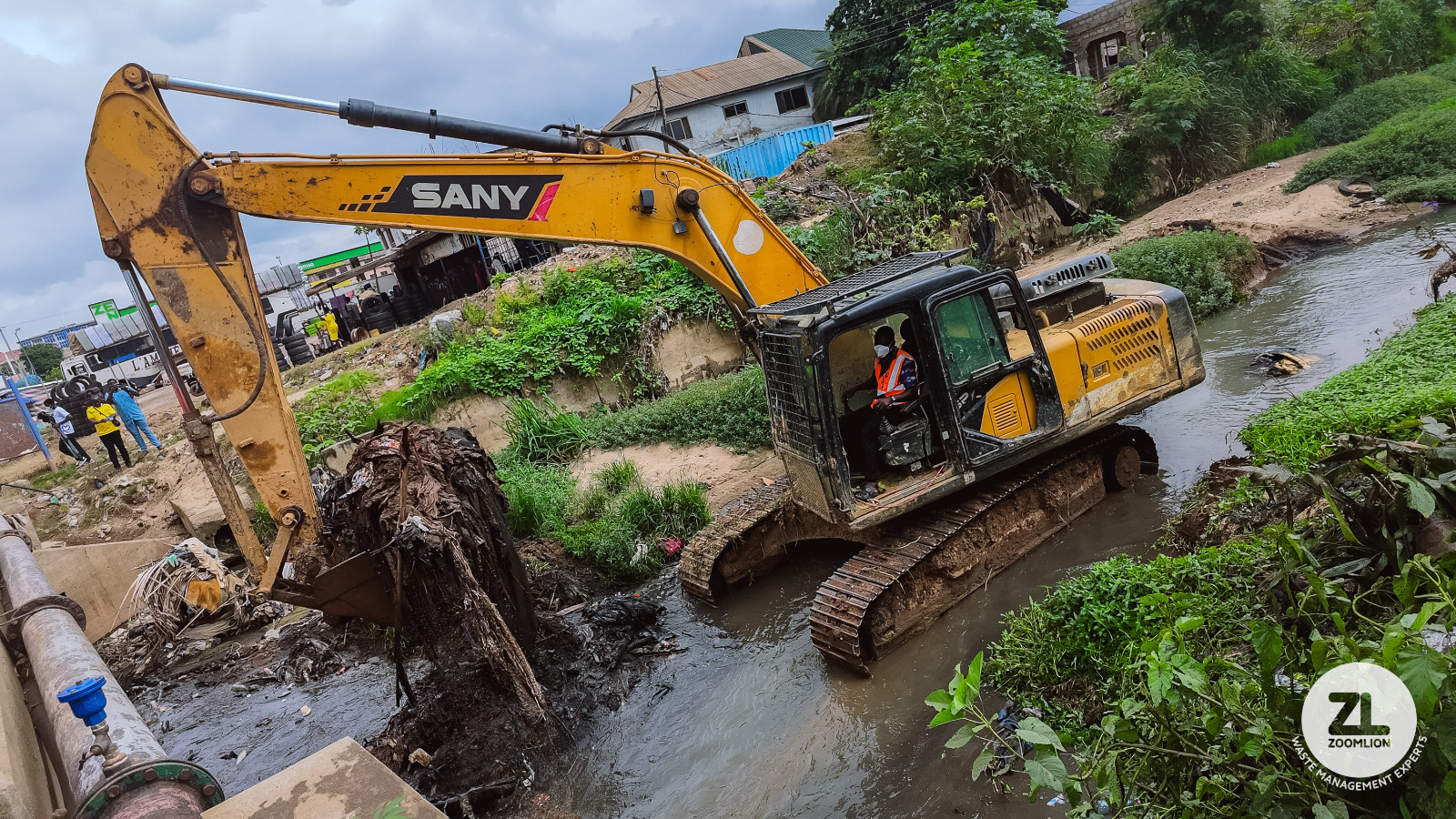 The campaign, launched during the National Sanitation Day exercise on Saturday, July 4, 2026, is a sustained initiative being implemented by the Ashanti Regional Coordinating Council in collaboration with Zoomlion Ghana Limited, the National Disaster Management Organisation (NADMO), the Kumasi Metropolitan Assembly, Dredge Masters Limited and all Metropolitan, Municipal and District Assemblies across the region.
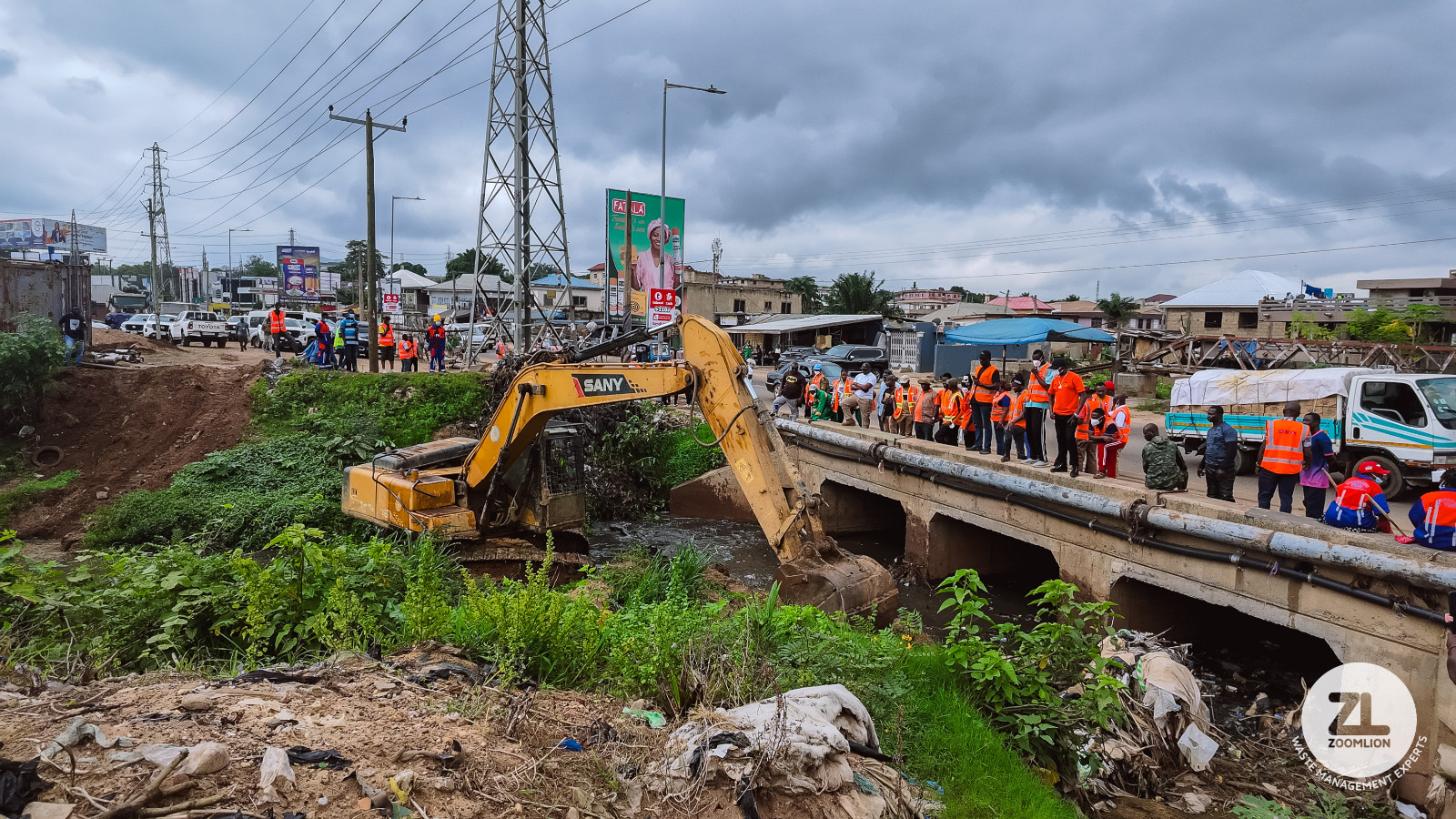
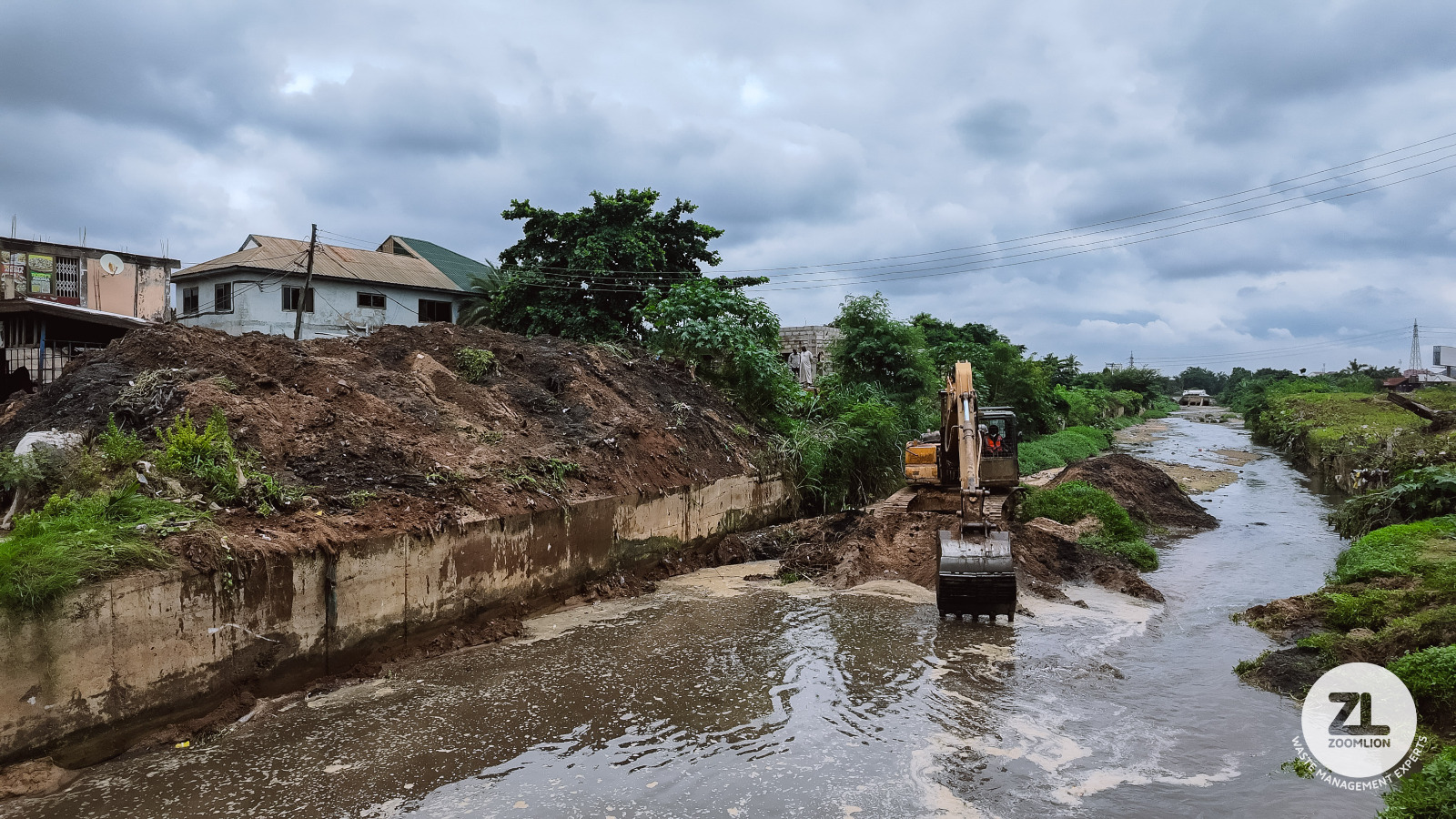
The simultaneous cleanup exercise saw Zoomlion teams deployed to Airport Roundabout, Krofrom, Kaase, Asokore Mampong, Atonsu, Breman UGC, Kronum-Aboahia and other flood-prone communities, where drains and waterways were desilted to improve the flow of stormwater.
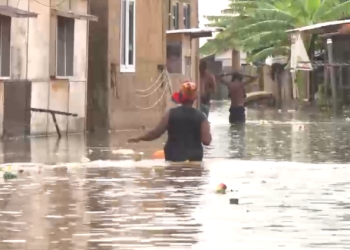
 Dr. Amoakohene said the intervention had become necessary following recent flooding incidents that claimed lives and destroyed property.
“Today marks the beginning of a sustained sanitation programme across the Ashanti Region. We cannot continue to lose lives and properties because our drains are choked with waste,” he said.
He noted that inspections across the region had revealed drains blocked with plastics, wood, silt and household refuse, warning that the situation posed a serious threat as the rainy season intensifies.
 The Minister attributed much of the challenge to indiscriminate waste disposal and urged residents to adopt responsible sanitation practices.
“The government cannot continue spending huge public resources clearing drains that are repeatedly blocked through human negligence. Every resident has a responsibility to protect our environment,” he said.
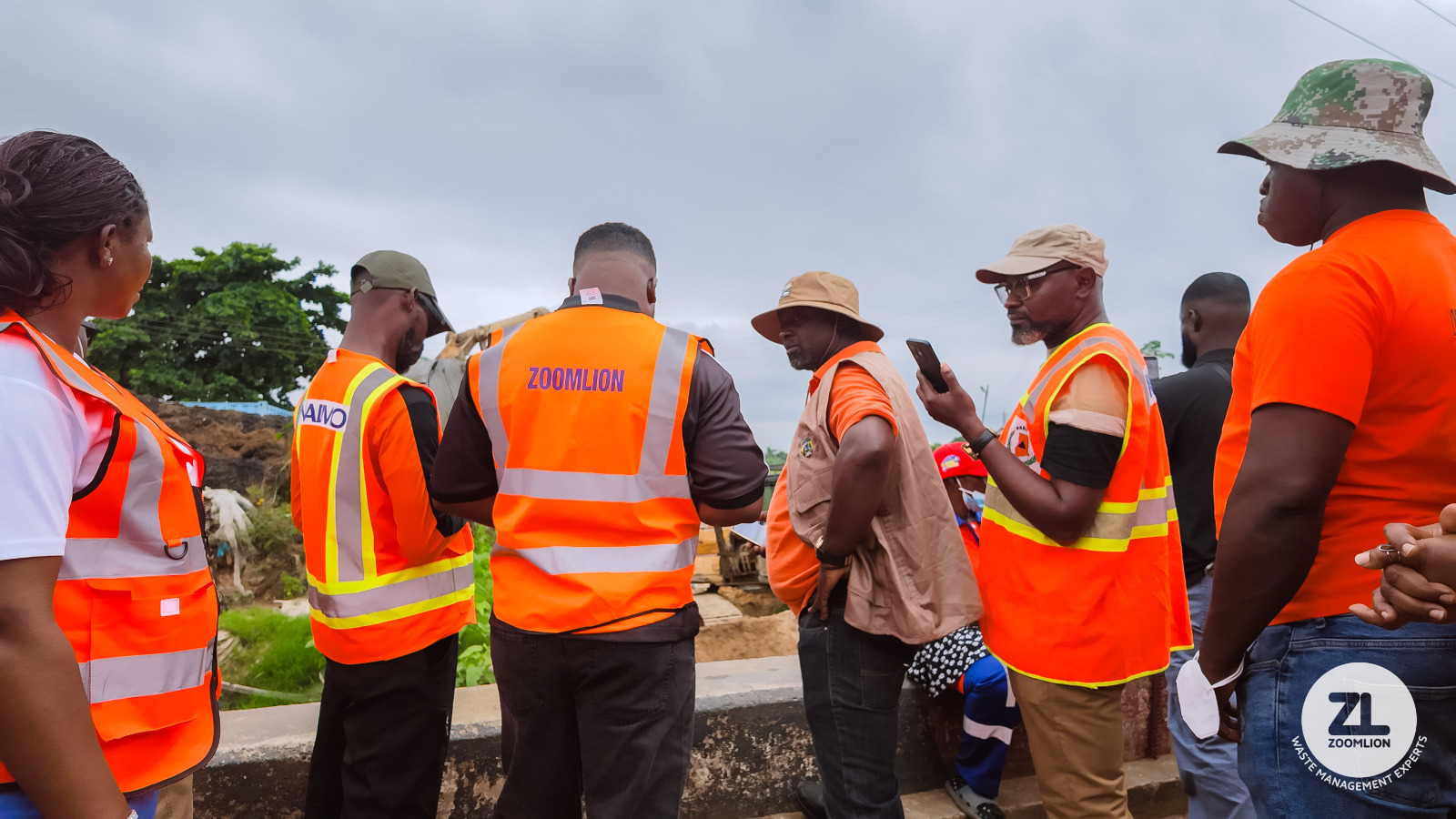 Dr. Amoakohene announced that sanitation enforcement would be intensified through Environmental Health and Sanitation Inspecting Officers. He added that residents who provide credible information leading to the arrest of persons engaged in illegal dumping would continue to receive rewards under the region’s whistleblower programme.
He disclosed that several offenders had already been convicted and sentenced to custodial terms ranging from 14 to 30 days.
Managing Director of Zoomlion Ghana Limited, Doris Kwekwor Adjei, reaffirmed the company’s commitment to supporting environmental sanitation through its corporate social responsibility initiatives.
 “We have deployed heavy equipment, operational vehicles and personnel across the Ashanti Region to support this exercise, and we will also undertake fumigation in flood-affected communities to help prevent disease outbreaks associated with stagnant water and accumulated waste,” she said.
Mrs. Adjei expressed sympathy to victims of the recent floods and called on Ghanaians to make sanitation a daily responsibility rather than a periodic activity.
The Kumasi Metropolitan Chief Executive, Richard Ofori Agyemang Boadi, said the exercise formed part of President John Dramani Mahama’s directive designating the first Saturday of every month as National Sanitation Day.
He said the Assembly had been carrying out intensive desilting operations since March in preparation for the above-normal rainfall forecast this year.
 Mr. Boadi announced that sanitation enforcement across the metropolis would intensify from Monday, July 6, with inspection teams expected to visit homes and communities to ensure compliance with environmental regulations.
He cautioned against politicising the exercise, stressing that the Assembly remained committed to enforcing sanitation laws fairly while protecting the lives and wellbeing of residents.
Dr. Amoakohene called on traditional authorities, assembly members, community leaders and residents to actively support the campaign, saying the government alone could not achieve a clean environment without the cooperation of citizens.
He expressed confidence that sustained collaboration among public institutions, private-sector partners and local communities would significantly reduce flooding and improve environmental sanitation across the Ashanti Region.