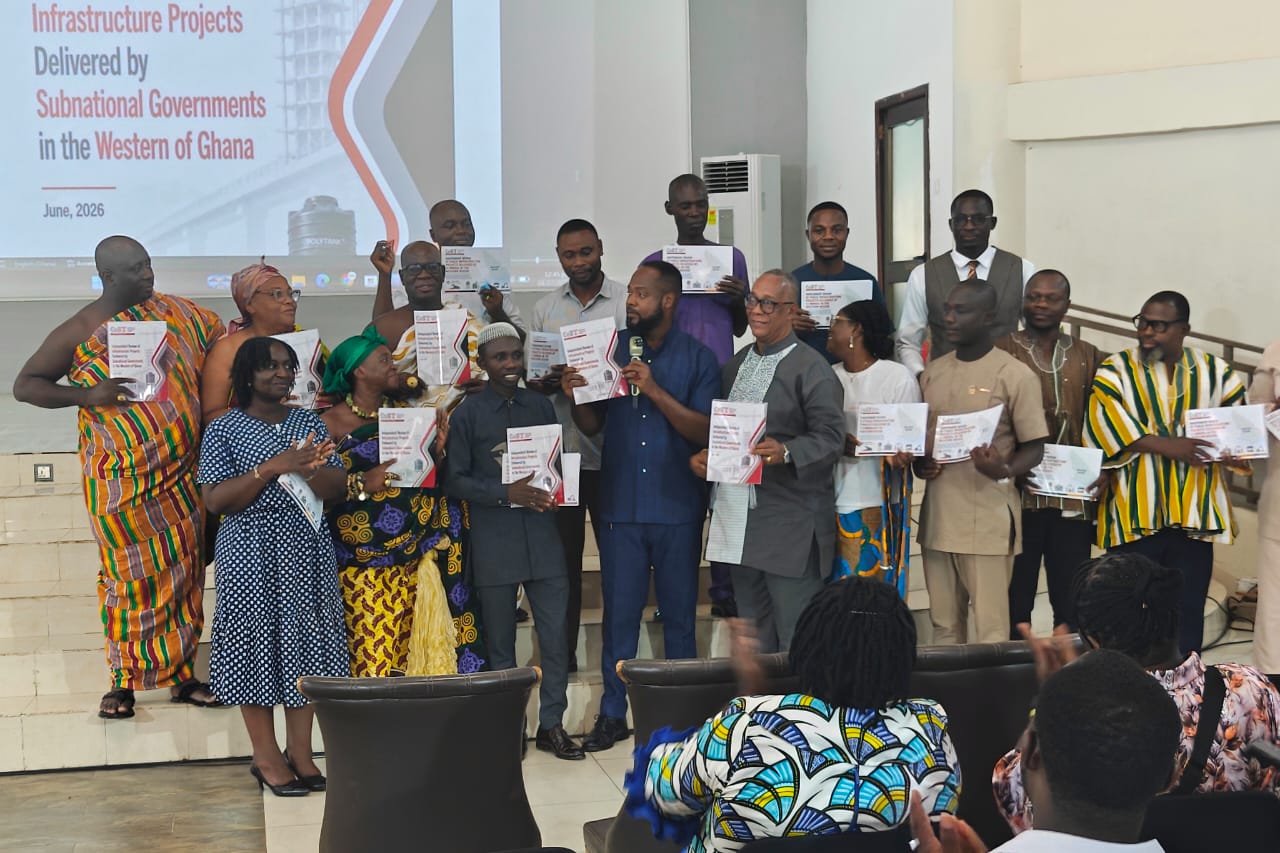
CoST Sekondi-Takoradi, an Infrastructure Transparency Initiative, has released its Third Independent Review Report on 28 public infrastructure projects across the 14 Metropolitan, Municipal and District Assemblies (MMDAs) in the Western Region, revealing transparency gaps, delays in information disclosure, and concerns over quality assurance in infrastructure delivery.
The report is the outcome of five months of data collection, analysis, validation, and field verification of 28 infrastructure projects across the region.
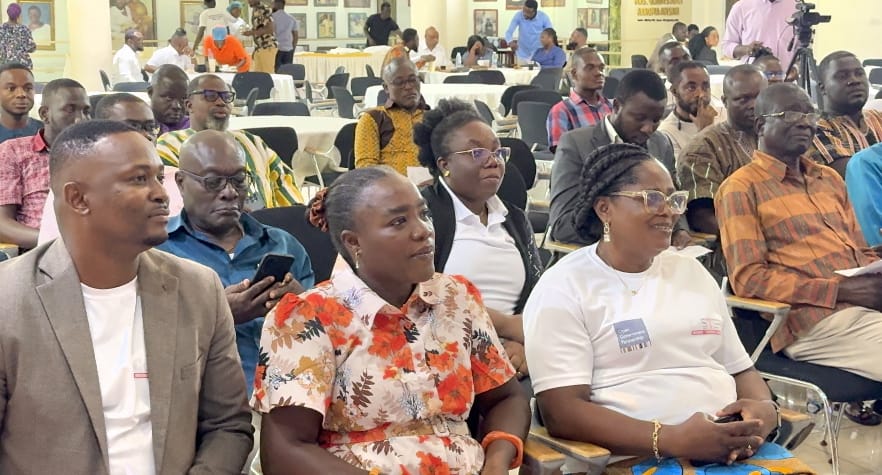
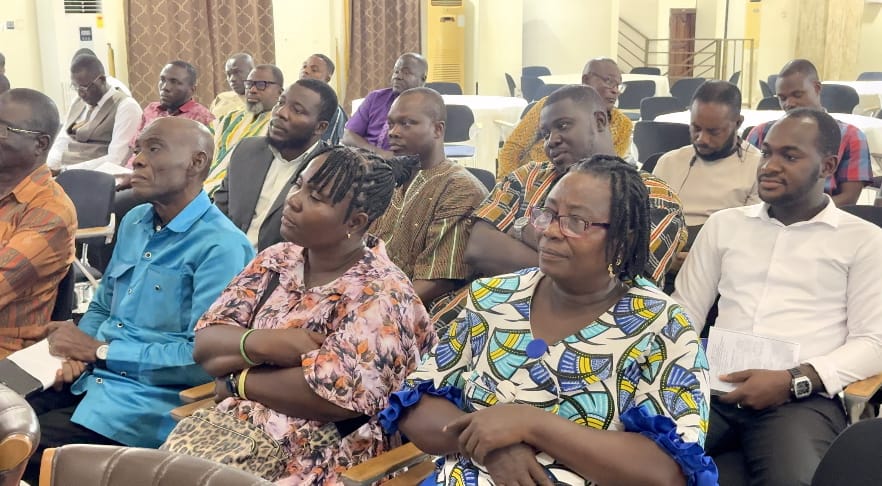
The launch event provided a platform to present the report’s key findings and recommendations, raise awareness of CoST’s work, and promote the use of infrastructure information to enhance transparency, accountability, citizen participation, and value for money in public infrastructure delivery.
 The Independent Review Process is one of CoST’s flagship accountability mechanisms aimed at strengthening transparency throughout the infrastructure project cycle. It also supports the implementation of key national legislation, including the Public Procurement Act, 2016 (Act 914), the Local Governance Act, 2016 (Act 936), and the Right to Information Act, 2019 (Act 989), while advancing Ghana’s commitments under the Open Government Partnership on open contracting and beneficial ownership transparency.
Presenting the findings, the Team Lead of the Independent Review, Prof. Mathew Kwaw Somiah, said the participating Metropolitan, Municipal and District Assemblies recorded a moderate overall performance in the global assessment.
He explained that the review covered 28 projects across six key sectors, including roads, education, health, markets, and water and sanitation.
 Prof. Somiah disclosed that several Assemblies failed to comply with the statutory 14-day period required under the Right to Information Act to respond to requests for information. He further noted that some communities are unable to pay user levies for Water, Sanitation and Hygiene (WASH) facilities, affecting the sustainability and accessibility of such projects.
“Some public entities took as long as 150 to 190 days to disclose information that should legally be released within 14 days. We also realized through the FIIP assessment that some WASH facilities were sited without considering the Multidimensional Poverty Index, resulting in projects that communities cannot afford to use.”
He urged the Assemblies to fully adopt the Framework for Integrity in Infrastructure Planning (FIIP) and implement the CoST Infrastructure Data Standards to enhance transparency, accountability, and informed decision-making in public infrastructure delivery.
Also speaking at the launch, CoST’s Monitoring, Evaluation, Accountability and Learning Officer, Aziz Mahmoud, observed that many Assemblies place greater emphasis on processing payments for completed projects than on ensuring construction quality.
He disclosed that several Assemblies lack the basic testing equipment required to verify concrete strength, assess reinforcement bar thickness, and undertake other essential quality assurance tests on infrastructure projects.
According to him, the findings are intended to help Assemblies strengthen quality control systems and improve the durability and value for money of public infrastructure.
 “There are several instances where school roofs are blown off after the onset of the rains, raising questions about the quality assurance measures that went into those projects. Through this Third Independent Review, we sought to highlight such concerns so they can be addressed.”
The Chairman of the CoST Multi-Stakeholder Group, Eugene Fredua Ofori Atta, underscored the importance of transparency in infrastructure delivery, stressing that it is critical to promoting economic resilience, improving service delivery, and strengthening public confidence in governance.
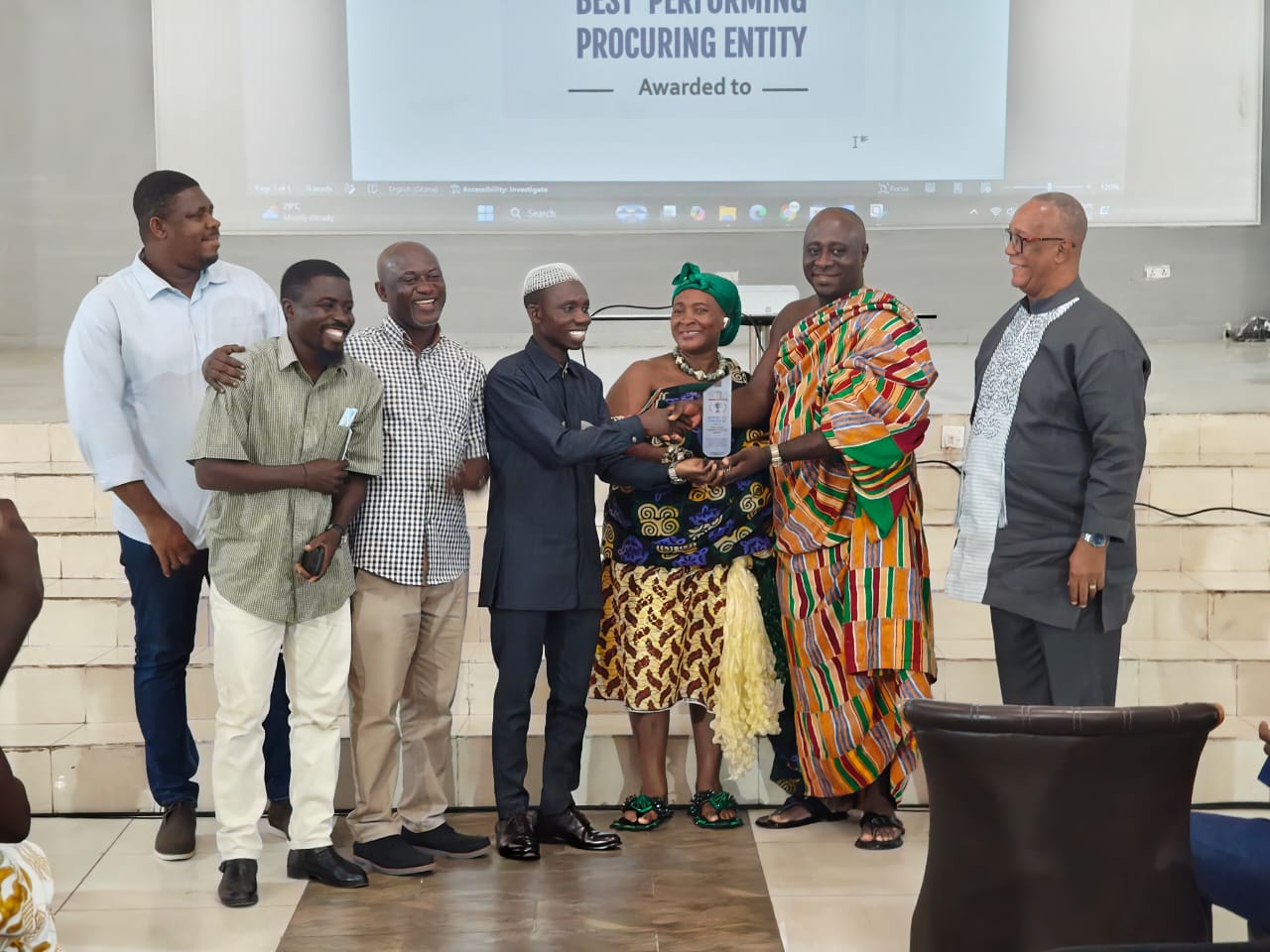
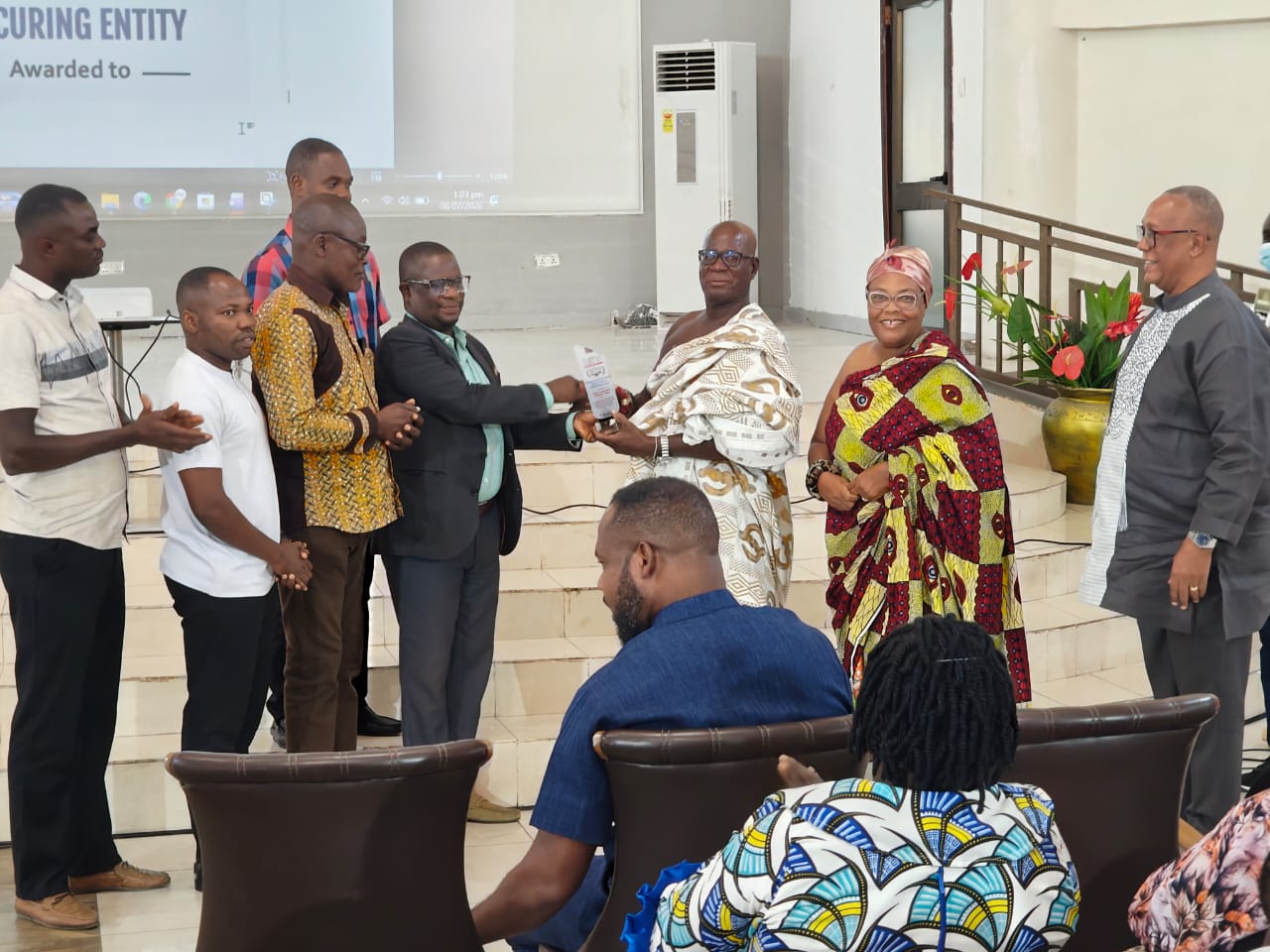
The Shama Municipal Assembly received the Special Recognition Award for Excellence in Proactive Disclosure, while the Wassa East District Assembly was adjudged the Best Performing Procuring Entity for its commitment to transparency and good infrastructure governance.
The CoST Infrastructure Transparency Initiative is a global multi-stakeholder initiative that promotes transparency, accountability, and value for money in public infrastructure delivery.