• About Us
  • Privacy Policy
  • Terms of Use
  • Breaking News
  • Explainers
  • Listen Live
Wednesday, July 8, 2026
Citinewsroom - Comprehensive News in Ghana
Advertisement
  • Home
  • News
    • Regional News
      • Ahafo Region
      • Ashanti Region
      • Bono East Region
      • Bono Region
      • Central Region
      • Eastern Region
      • Greater Accra Region
      • Northern Region
      • North East Region
      • Oti Region
      • Savanna Region
      • Upper East Region
      • Upper West Region
      • Volta Region
      • Western Region
      • Western North Region
  • Sports
    • World Cup
  • Politics
  • Business
  • Entertainment
  • Articles
  • Explainers
  • Editorials
No Result
View All Result
Citinewsroom - Comprehensive News in Ghana
  • Home
  • News
    • Regional News
      • Ahafo Region
      • Ashanti Region
      • Bono East Region
      • Bono Region
      • Central Region
      • Eastern Region
      • Greater Accra Region
      • Northern Region
      • North East Region
      • Oti Region
      • Savanna Region
      • Upper East Region
      • Upper West Region
      • Volta Region
      • Western Region
      • Western North Region
  • Sports
    • World Cup
  • Politics
  • Business
  • Entertainment
  • Articles
  • Explainers
  • Editorials
No Result
View All Result
Citinewsroom - Comprehensive News in Ghana
No Result
View All Result

If camel humps don’t contain water, what’s inside?

Farida YusifbyFarida Yusif
March 21, 2019
Reading Time: 2 mins read
ShareShareShareShare

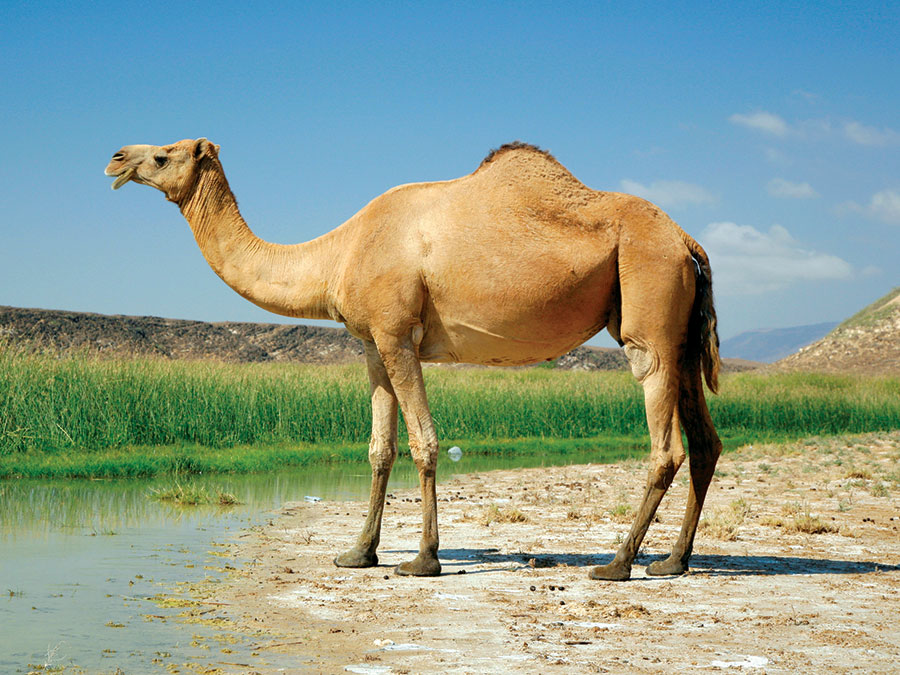
While camels can drink as much as 32 gallons of water in less than 15 minutes, the humps on their backs do not hold H2O.

Instead, the animals store fat in their odd-looking protrusions, enabling them to traverse the desert for days when food is scarce. Camels can survive a week without drinking water and several months without eating.

An adult camel can store up to 80 pounds of fat in its humps. When the animals tap into the stored nutritional fat, the humps decrease in size and slump to the side.

They become upright again after the camels eat and sleep. The dromedary camel has one hump while the Bactrian camel has two humps.

The reason why camels store fat on their backs and not throughout their bodies may be because the humps are used for insulation and to protect the animals from solar radiation, according to Lunds Universitet in Sweden. Fat conducts heat more gradually than water.

Dromedary camels have thick fur on their backs to protect them from the sun’s heat, while the fur is thinner on other parts of their body, allowing heat to escape.

Camels drink a lot of water when they are dehydrated, but they do not store water to use later on. Their bodies are built to conserve liquid.

They urinate infrequently, and their pee is very concentrated. A camel’s droppings are also very dry.

Camels have the ability to function with body temperatures over 104 degrees Fahrenheit, and they don’t sweat or pant like other animals, who lower their temperature by using water from their bodies. Camels cool down at night when temperatures drop.

The desert-dwelling animals aren’t impervious to the heat, but they can lose 30 to 40 percent of their body weight in water and still ward off dehydration. In addition, the mammal uses the air that it inhales and exhales to create water vapor.

Whatever you do, try to avoid being spit on by a camel. Their spit is a mix of saliva and the contents of their stomachs—basically, vomit.

They spit when threatened, and the telltale sign is puffy cheeks (so get out of the way!) They also have powerful breath because they regurgitate their food like cows.

Camels also have other interesting abilities. Their super-long eyelashes and inner eyelids protect their peepers from desert sand.

They can also close their nostrils to prevent sand from entering their bodies.

Camels are vocal animals who make lots of noises and make various gestures with their heads, necks, ears, and tails to communicate with the herd.

They also blow into each other’s faces as a way of greeting one another. Baby camels are born without humps.

Two-humped camels are critically endangered. One named Zehra was born at the Toledo Zoo in Ohio in 2018 and was the first Bactrian camel to be born in captivity in recent history.

This species of camel is indigenous to Central and East Asia, and there are reportedly just under 1,000 currently in existence.

–

Source: RIPLEY’S BELIEVE IT OR NOT

Tags: camel humpscontainWater
ShareTweetSendSend
Previous Post

COCOBOD signs new $300m facility to boost cocoa production

Next Post

Successful Eurobond a vote of confidence in Ghana’s economy – Gov’t

Related Posts

Featured

Gold Fields, World Vision hand over modern water system to Damang

July 2, 2026
Featured

Electricity tariffs up 3.49%, water 0.85% effective July 1

June 22, 2026
General

A search for Water that ended in death: The tragic story of Gbetsile little Abi

June 10, 2026
General

Over 50,000 gain access to safe water in Eastern, Ahafo regions

May 17, 2026
Featured

Water crisis hits Dansoman, Mamprobi over Weija fault — GWL

May 14, 2026
Managing Director of GWL, Adam Mutawakilu,
Featured

GWL loses 40% of treated water to leakages on Kpong-Tema lines

May 11, 2026
Next Post

Successful Eurobond a vote of confidence in Ghana’s economy - Gov't

ADVERTISEMENT
Citinewsroom - Comprehensive News in Ghana

CitiNewsroom.com is Ghana's leading news website that delivers high quality innovative, alternative news that challenges the status quo.

Archives

Download App

Download

Download

  • About Us
  • Privacy Policy
  • Terms of Use
  • Breaking News
  • Explainers
  • Listen Live

© 2024 All Rights Reserved Citi Newsroom.

No Result
View All Result
  • Home
  • News
    • Regional News
      • Ahafo Region
      • Ashanti Region
      • Bono East Region
      • Bono Region
      • Central Region
      • Eastern Region
      • Greater Accra Region
      • Northern Region
      • North East Region
      • Oti Region
      • Savanna Region
      • Upper East Region
      • Upper West Region
      • Volta Region
      • Western Region
      • Western North Region
  • Sports
    • World Cup
  • Politics
  • Business
  • Entertainment
  • Articles
  • Explainers
  • Editorials

© 2024 All Rights Reserved Citi Newsroom.