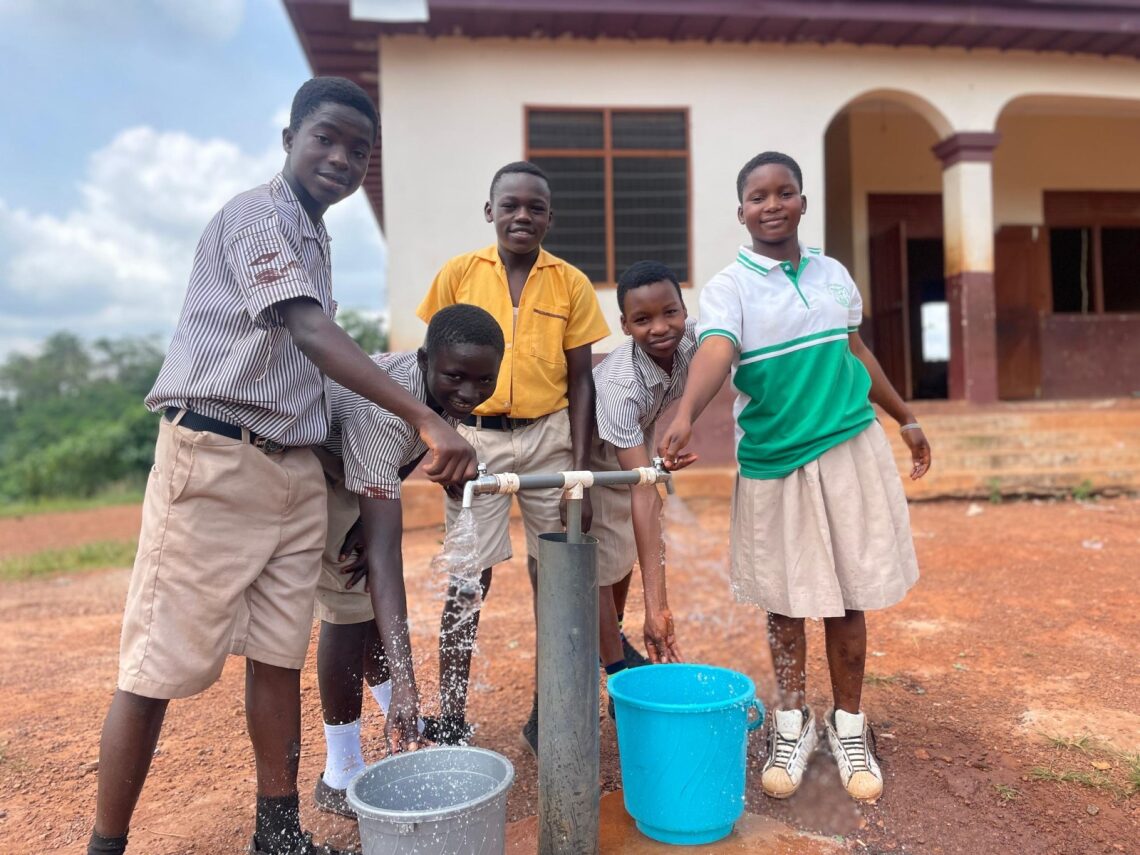
More than 50,000 people across the Eastern and Ahafo regions are now benefiting from improved access to safe and reliable water, with communities that once depended on unsafe and distant water sources now enjoying cleaner and more dependable supply.
In some communities, households have even been connected directly to clean water through a partnership between World Vision Ghana and Polytank Ghana Limited.
The intervention has eased the daily burden of walking long distances in search of water while also reducing cases of water-related illnesses. Parents and teachers have also reported improved school attendance and better concentration among children.
As part of the project, Polytank Ghana Limited supplied 26 high-capacity polytanks under its corporate social responsibility commitment.
The tanks supported the construction, rehabilitation and expansion of water systems in several communities.
The initiative forms part of the Ahafo Region Integrated WASH Programme (ARIWP), which aims to expand access to clean water in underserved communities, schools and health facilities.
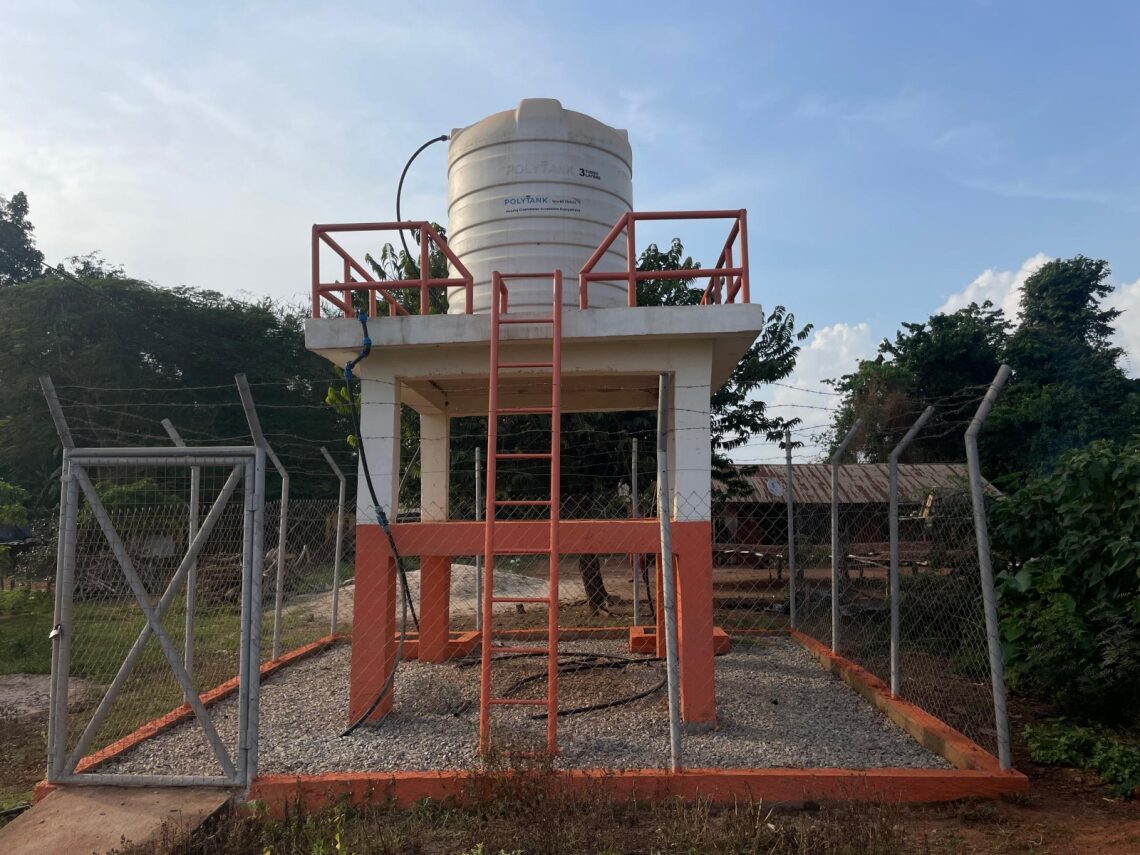
In total, 26 communities in the Asutifi North and Asunafo North districts now have improved water services.
In the Eastern Region, six communities in Fanteakwa have also benefited from emergency water interventions, reaching more than 5,000 residents who previously relied on unreliable water sources.
In addition, 30 basic schools serving more than 12,000 pupils now have access to dependable water systems.
At Akorsakrom Basic School, an existing hand pump has been upgraded into a solar-powered mechanised water system with a standpipe on campus, ensuring students have access to clean water throughout the school day.
Health facilities have also seen improvements, with eight clinics and health centres now equipped with reliable water supply systems. According to stakeholders, this has strengthened hygiene practices, infection prevention, and maternal and child health services.
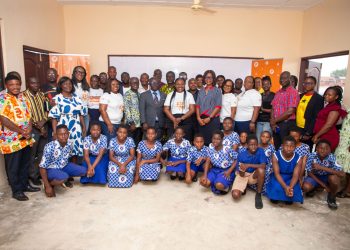
World Vision Ghana said the partnership demonstrates the importance of collaboration between development organisations and the private sector in addressing basic community needs.
The organisation added that access to clean water remains critical to improving health, education and overall community development.