• About Us
  • Privacy Policy
  • Terms of Use
  • Breaking News
  • Explainers
  • Listen Live
Thursday, July 23, 2026
Citinewsroom - Comprehensive News in Ghana
Advertisement
  • Home
  • News
    • Regional News
      • Ahafo Region
      • Ashanti Region
      • Bono East Region
      • Bono Region
      • Central Region
      • Eastern Region
      • Greater Accra Region
      • Northern Region
      • North East Region
      • Oti Region
      • Savanna Region
      • Upper East Region
      • Upper West Region
      • Volta Region
      • Western Region
      • Western North Region
  • Sports
    • World Cup
  • Politics
  • Business
  • Entertainment
  • Articles
  • Explainers
  • Editorials
No Result
View All Result
Citinewsroom - Comprehensive News in Ghana
  • Home
  • News
    • Regional News
      • Ahafo Region
      • Ashanti Region
      • Bono East Region
      • Bono Region
      • Central Region
      • Eastern Region
      • Greater Accra Region
      • Northern Region
      • North East Region
      • Oti Region
      • Savanna Region
      • Upper East Region
      • Upper West Region
      • Volta Region
      • Western Region
      • Western North Region
  • Sports
    • World Cup
  • Politics
  • Business
  • Entertainment
  • Articles
  • Explainers
  • Editorials
No Result
View All Result
Citinewsroom - Comprehensive News in Ghana
No Result
View All Result

Poverty in two speeds: North East, Savannah above 50% as Accra stays below 20%

byEmmanuel Oppong
January 22, 2026
Reading Time: 2 mins read
ShareShareShareShare

North East and Savannah Regions recorded Ghana’s highest levels of multidimensional poverty in Q3 2025, with incidence rates above 50%, while Greater Accra and the Western Region posted the lowest poverty levels, both remaining below 20%.

That stark contrast, captured in the latest multidimensional poverty analysis, underscores how deeply poverty in Ghana remains shaped by geography, even as national indicators point to gradual improvement.

Beyond headline incidence rates, the divide between rural and urban Ghana remains one of the most persistent structural challenges.

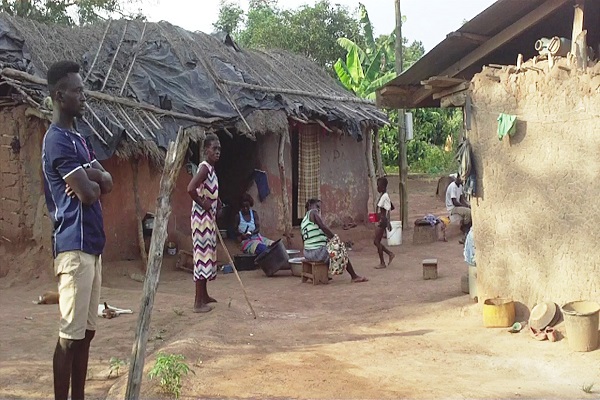
Poverty incidence in rural areas climbed to 31.9% in Q3 2025, more than double the 14.2% recorded in urban centres, reinforcing the link between deprivation and unequal access to basic services, infrastructure, and productive economic opportunities.

Population size is also reshaping the poverty conversation. While North East and Savannah lead in incidence, Ashanti and Eastern regions recorded the highest number of multidimensionally poor people, with more than one million affected in each region.

The data highlights a critical policy tension: poverty reduction strategies must address high-incidence regions while also targeting high-burden regions where large populations translate into significant absolute deprivation.

The underlying drivers of poverty remain stubbornly consistent. Living conditions and health deprivations continue to dominate, accounting for the largest share of multidimensional poverty nationwide. In Q3 2025, lack of health insurance coverage alone contributed 26.5%, followed by nutrition (14.4%), employment deprivation (12.3%), school attendance (8.5%), overcrowding (8.4%), and limited access to toilet facilities (8.0%).

These figures point to a reality where poverty is still rooted in everyday living conditions — inadequate housing, weak sanitation, fragile health protection, and limited economic security rather than income alone.

While overall poverty declined, the data also flags emerging pressures that could threaten recent gains. Between Q2 and Q3 2025, housing congestion worsened sharply, with overcrowding deprivation nearly doubling from 11.4% to 21.6%. At the same time, school attendance deprivation rose from 7.0% to 9.4%, while employment deprivation increased modestly from 3.8% to 4.5%, signalling growing labour market vulnerability among poor households.

For policymakers, the message is clear: headline progress masks deep structural risks. Without targeted action on housing congestion, school participation, and job stability particularly in rural and densely populated regions — Ghana’s poverty reduction gains may prove fragile.


Tags: Ghana's economyGSSnortern regionPoverty
ShareTweetSendSend
Previous Post

No division in COMAC despite price floor disagreements – CEO

Next Post

Price floor dispute: Star Oil exit weakens its voice – IES

Related Posts

Business

Ghana’s producer price inflation falls to 3.5%

July 21, 2026
Business

Cooking oil tops Ghana’s informal food imports as cross-border trade deficit doubles

July 16, 2026
Business

The ‘Aboboyaa’ economy: How small traders drive Ghana’s GH¢31bn border market

July 15, 2026
Business

Ghana’s informal trade with neighbours reaches GH¢31bn – GSS

July 15, 2026
Business

Services sector emerges as key driver of first-quarter GDP growth

June 11, 2026
Business

Citi Business Festival: Ghana must process more, export less raw materials — Absa Bank

June 8, 2026
Next Post

Price floor dispute: Star Oil exit weakens its voice - IES

ADVERTISEMENT
Citinewsroom - Comprehensive News in Ghana

CitiNewsroom.com is Ghana's leading news website that delivers high quality innovative, alternative news that challenges the status quo.

Archives

Download App

Download

Download

  • About Us
  • Privacy Policy
  • Terms of Use
  • Breaking News
  • Explainers
  • Listen Live

© 2024 All Rights Reserved Citi Newsroom.

No Result
View All Result
  • Home
  • News
    • Regional News
      • Ahafo Region
      • Ashanti Region
      • Bono East Region
      • Bono Region
      • Central Region
      • Eastern Region
      • Greater Accra Region
      • Northern Region
      • North East Region
      • Oti Region
      • Savanna Region
      • Upper East Region
      • Upper West Region
      • Volta Region
      • Western Region
      • Western North Region
  • Sports
    • World Cup
  • Politics
  • Business
  • Entertainment
  • Articles
  • Explainers
  • Editorials

© 2024 All Rights Reserved Citi Newsroom.