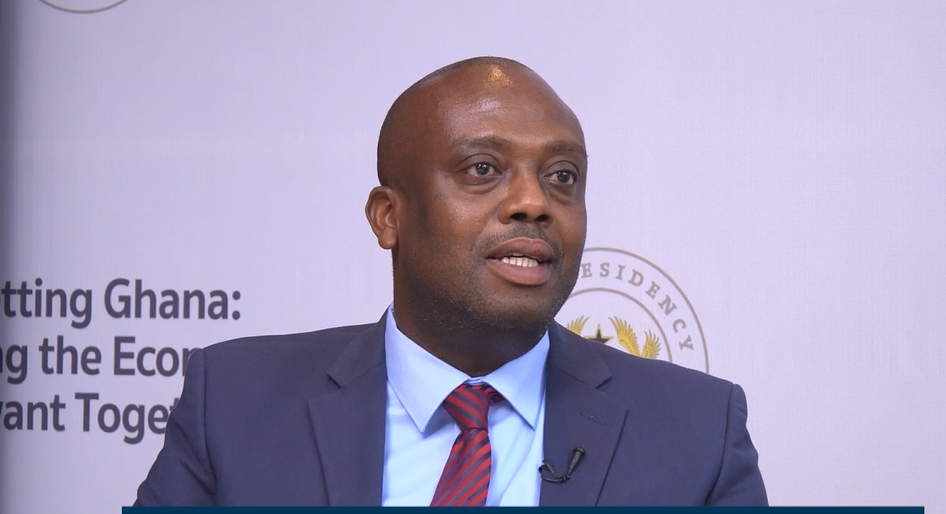
The Deputy Minister of Finance, Thomas Nyarko Ampem, has said achieving affordable housing in Ghana requires sustained macroeconomic stability, long-term financing solutions, and structural reforms to reduce the cost of home ownership.
He noted that Ghana’s housing deficit, estimated at more than 1.8 million units as of 2025, remained a major national challenge driven by rapid urbanisation, population growth, and limited access to housing finance.
Mr Ampem made the remarks at the opening of the National Home Ownership Fair 2026 in Accra on Thursday. The event was held on the theme “Building Ghana, One Home at a Time.”
He explained that the housing gap was not only a social concern but also an economic issue, as poor living conditions, high rents and long commuting times negatively affected productivity, health and educational outcomes.
Citing data from the Ghana Statistical Service, Mr Ampem said the construction sector grew by 5.5 per cent year-on-year in the third quarter of 2025, demonstrating the sector’s potential to create jobs and stimulate economic growth when adequately supported.
According to him, the Ministry of Finance is focusing on three key priorities to address the housing challenge: maintaining macroeconomic stability to lower the cost of capital, unlocking long-term patient capital for housing finance, and implementing reforms to reduce non-construction costs such as land acquisition, permitting and infrastructure provision.
Mr Ampem said the government’s fiscal strategy remained anchored on discipline, credibility and transparency to sustain low inflation, stabilise the currency and restore investor confidence.
He added that the Ministry was strengthening partnerships with pension funds, banks and development finance institutions to mobilise long-term capital for housing, while supporting reforms to improve land title security and streamline regulatory processes.