Ghana’s Presidential Envoy for Reparations, Dr Ekwow Spio-Garbrah, has said the United States’ decision to vote against a Ghana-led resolution on the Transatlantic Slave Trade carries symbolic weight, even though it does not affect the substance of the motion.
The resolution, tabled by President John Dramani Mahama at the United Nations on March 25, 2026, sought renewed global commitment to reparatory justice for African countries and descendants of enslaved people. It also called on member states to engage in structured dialogue and take concrete steps to address the lasting social, economic, and cultural impacts of slavery.
After extensive debate, the motion was adopted with 123 votes in favour. The United States, Argentina, and Israel voted against it, while 52 countries abstained.
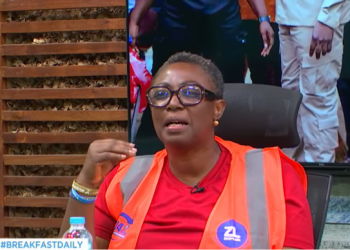
Speaking on Channel One TV’s Face to Face with Umaru Sanda Amadu, Dr Spio-Garbrah said the US position does not undermine the resolution itself but has important symbolic implications.
“It doesn’t mean anything for the motion itself, but symbolically it does. Symbolically, it means that the United States is against the majority view of the world,” he said.
He argued that the decision places the US in a difficult position, particularly given its diverse population, including millions of African Americans and other minority groups.
Dr Spio-Garbrah suggested that opposition to the resolution may stem from concerns about the implications of recognising slavery as a crime and the potential demands for reparations.
“It puts the U.S. on the defensive because the world, the majority of people think this way, and you think this other way. And if you then examine why they voted against it, which their delegates spoke at length about. You can see that you have African Americans living with you in the United States.
“You have Latin Americans living with you in the United States. If you count African Americans, Latin Americans and other minority ethnic groups, there are over 100 million, which is at least 35 per cent or more of the U.S. population.
“So you are telling your own voters a certain message. And when the time comes for elections, some of these things can reflect,” he stated.
The debate over reparatory justice continues to draw global attention, with African nations intensifying calls for redress over the long-term effects of the transatlantic slave trade.