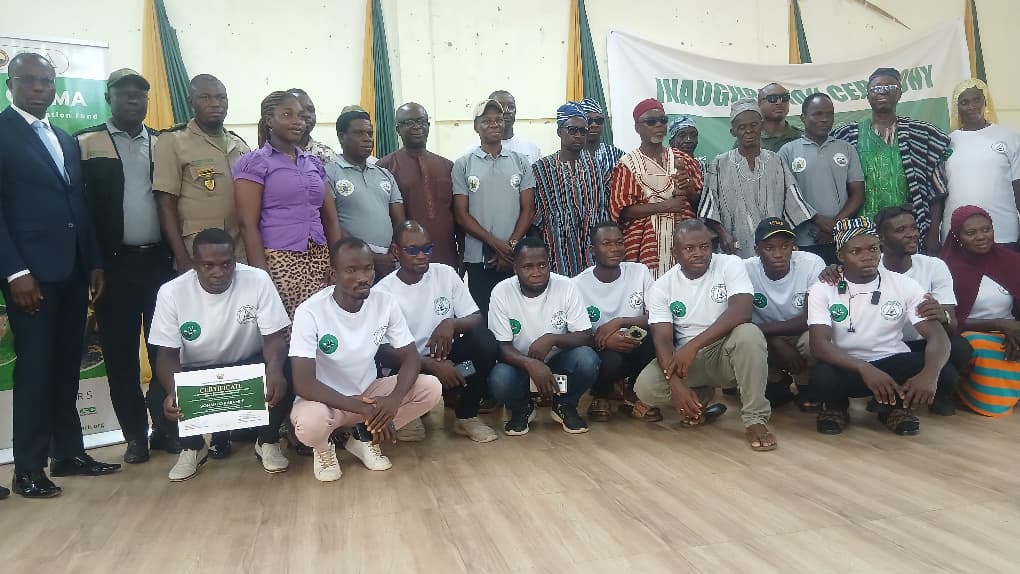
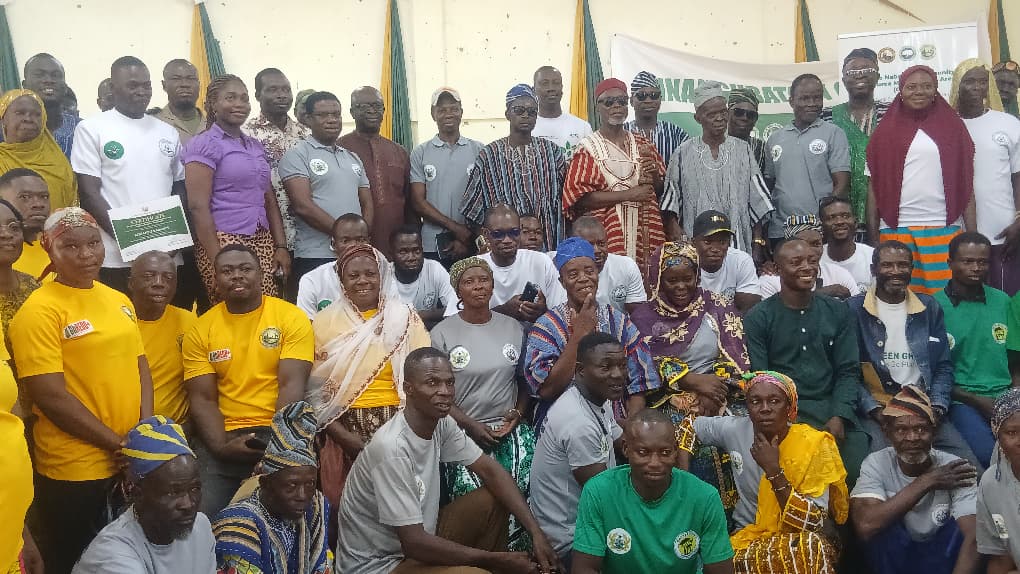
The Wildlife Division of the Forestry Commission has inaugurated four Community Resource Management Areas (CREMAs) in the Savannah Region to strengthen community participation in sustainable natural resource management and biodiversity conservation.
The ceremony, hosted by Mole National Park in Damongo, brought together government officials, traditional leaders, development partners, conservation stakeholders and representatives from several fringe communities.
The newly established CREMAs — SOJAKODA, Mayaba, KK and Kapite Nabonse — are expected to empower local communities to play a leading role in wildlife protection, landscape restoration and the promotion of sustainable livelihoods within the Mole ecological landscape.
Speaking at the event, the Municipal Chief Executive for West Gonja commended the Wildlife Division and its partners for promoting inclusive conservation initiatives that involve local communities in natural resource management.
The Director of Operations for Stakeholder and Ecotourism at the Wildlife Division, Atsu Fummey Nassah, said the ceremony was intended to formally inaugurate the four CREMAs and present Devolution Certificates to the beneficiary communities.
He explained that the CREMA framework, now recognised under the Wildlife Resources Management Act, 2023 (Act 1115), strengthens community participation in natural resource governance.
A representative of the Yagbonwura also addressed the gathering, highlighting the important role of traditional authorities in safeguarding land and natural resources for future generations.
Development partners, including the Ecological Restoration Fund, the Ghana Shea Landscape Emission Reduction Project and the Ghana Landscape Restoration and Small-Scale Mining Project, reaffirmed their commitment to supporting community-based conservation and landscape restoration initiatives.
A major highlight of the event was the presentation of Devolution Certificates by the Executive Director of the Wildlife Division, officially granting the communities the authority to manage their designated CREMA areas.
The Savannah Regional Minister, Salisu Be-Awuribe, emphasised the importance of partnerships in advancing conservation and sustainable development across the region.
He explained that the Ecological Restoration Fund supported the establishment of the KK CREMA, the Ghana Shea Landscape Emission Reduction Project funded the Kapite Nabonse CREMA, while the Ghana Landscape Restoration and Small-Scale Mining Project supported the SOJAKODA and Mayaba CREMAs.
According to the Minister, the initiatives demonstrate strong collaboration between government, development partners and local communities in protecting natural resources while strengthening livelihoods.
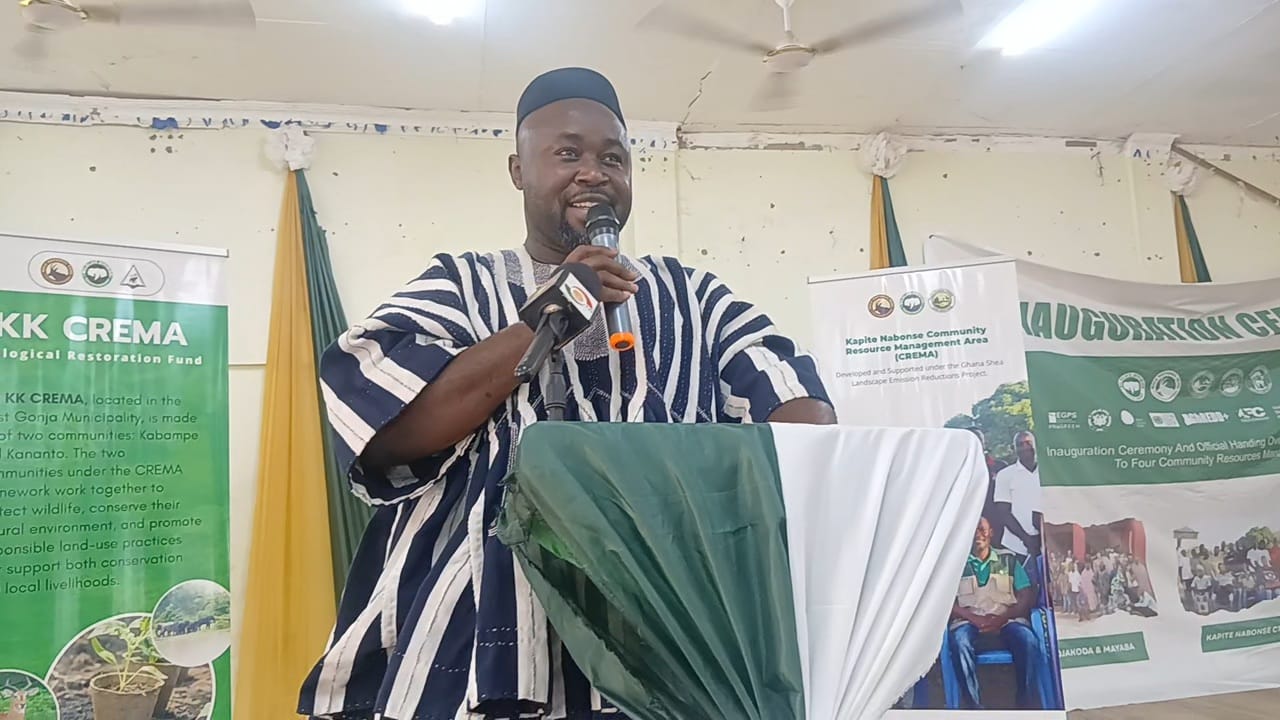
He urged members of the newly inaugurated CREMAs to carry out their responsibilities with transparency, accountability and unity, stressing that the sustainability of the initiative would depend on strict adherence to their management plans and constitutions.
Mr Be-Awuribe also acknowledged the role of chiefs and traditional authorities, noting that their continued guidance would be crucial for the effective management of the CREMAs.
He reaffirmed the commitment of the Savannah Regional Coordinating Council to work closely with the Forestry Commission, district assemblies and development partners to ensure the success of the initiative.
The Regional Minister stressed that environmental protection and economic development must go hand in hand, noting that responsible natural resource management can generate income, create jobs, empower women and youth, and secure a sustainable future.
He later officially declared the KK, Kapite Nabonse, SOJAKODA and Mayaba CREMAs inaugurated.