
Social Policy Analyst and Local Governance Expert, Esther Ofei-Aboagye, has highlighted the vulnerability of Ghana’s informal sector, noting that although it employs a significant portion of the population, it continues to face weak safety standards and limited access to social protection.
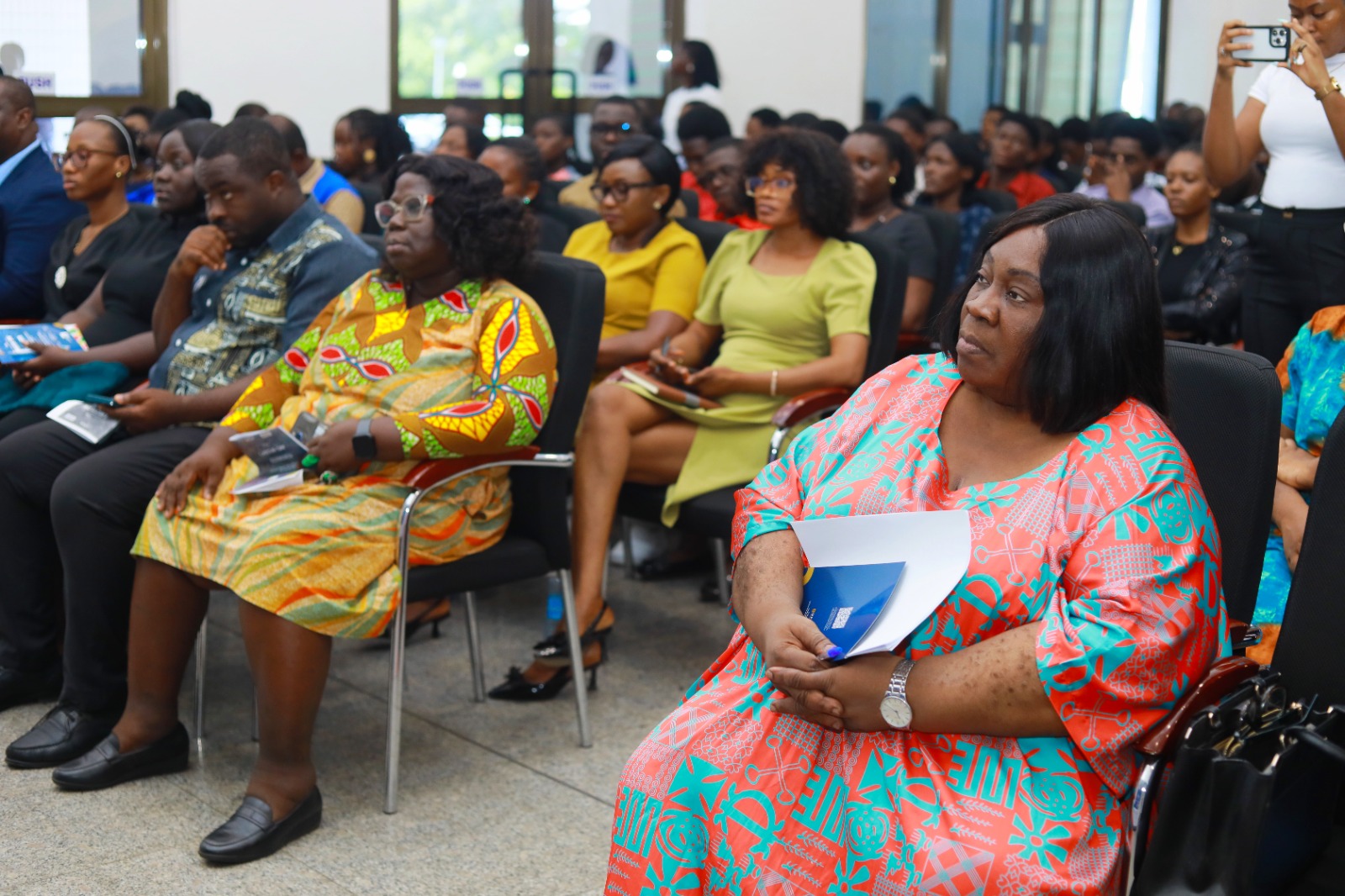
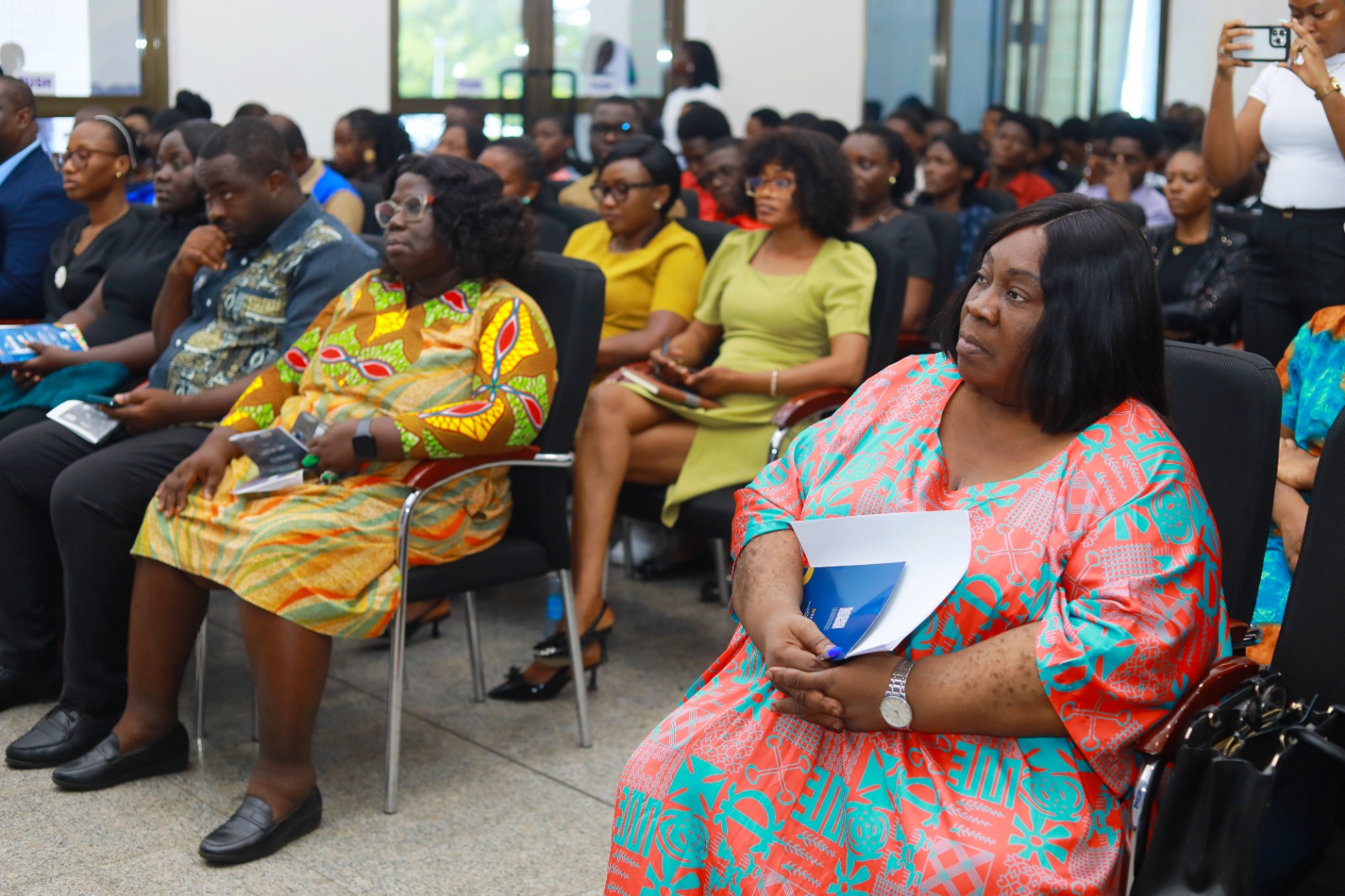
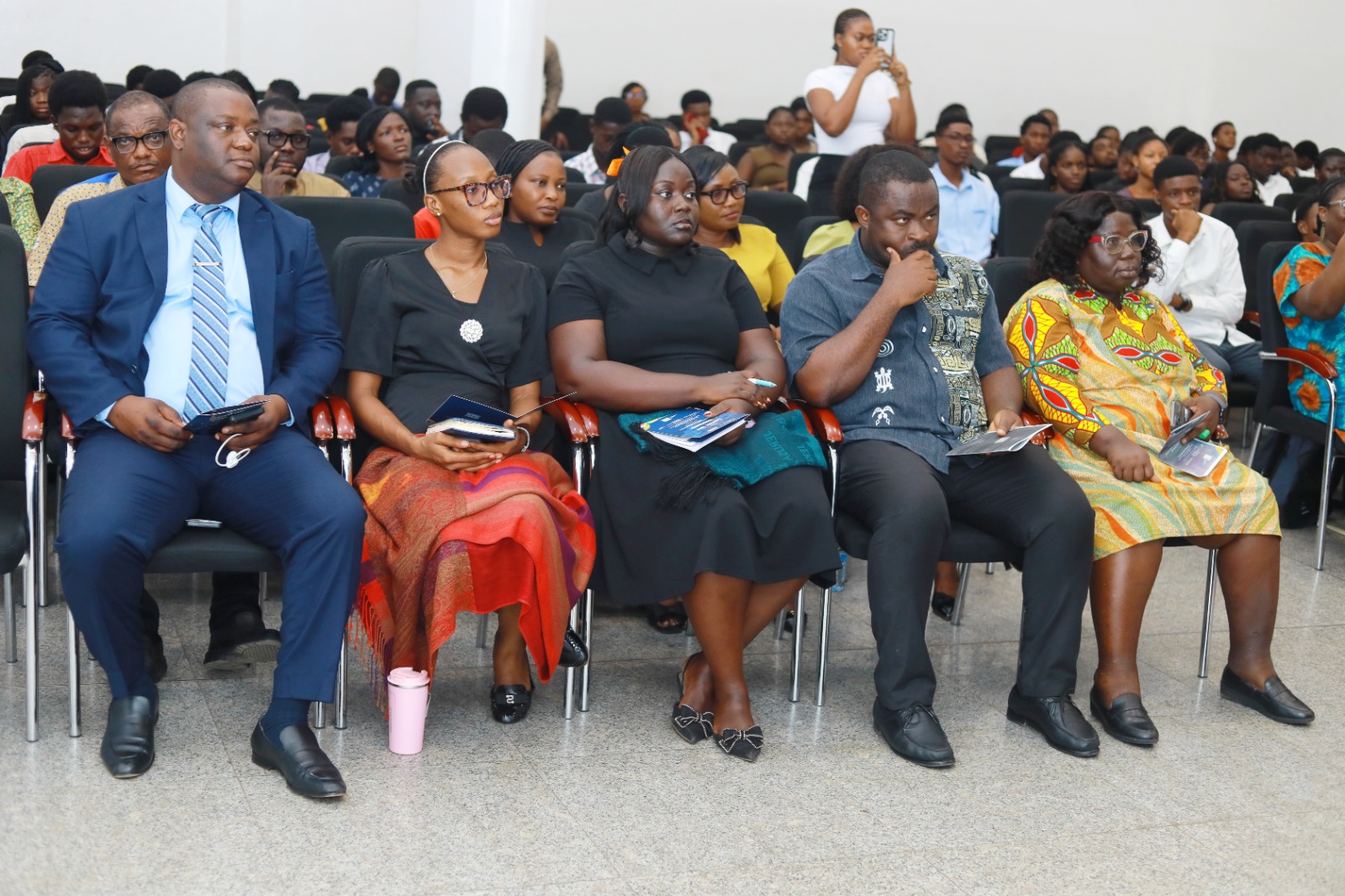
Delivering her keynote address at a public lecture organised by the Institute of Work, Employment and Society at the University of Professional Studies, Accra, to mark International Workers’ Day, under the theme “Decent Work, Real Recognition: Rising By Merit,” she stressed that decent work is not merely a labour issue but a cornerstone of national development.
According to Dr. Ofei-Aboagye, many Ghanaians, particularly young people and informal workers, continue to grapple with unemployment, underemployment, and precarious working conditions.
 She explained that ensuring fair wages, safe working environments, and access to social protection strengthens human capital, drives innovation, and positions Ghana to better respond to evolving economic and social challenges.
Dr Ofei-Aboagye made a strong call for fairness, dignity, and opportunity within Ghana’s labour landscape, underscoring that every Ghanaian deserves “decent work, real recognition, and the opportunity to rise by merit,” regardless of background or social connections.
A central theme of her address was the importance of meritocracy. She argued that advancement based on competence, performance, and integrity is essential for building strong institutions and fostering public trust.
 However, she noted that Ghana continues to face persistent barriers, including nepotism, unequal access to professional networks, and limited opportunities, factors that often result in promotions and recognition being influenced more by connections than actual contributions.
“When recognition is distorted, motivation declines, and institutional performance suffers,” she said.
The lecture also highlighted the critical role of safeguarding in the workplace. Protecting workers from abuse, exploitation, and unsafe conditions, she noted, is vital, especially for vulnerable groups such as women and those in the informal economy.
 Dr. Ofei-Aboagye pointed to Ghana’s legal framework as a step in the right direction, citing the Domestic Violence Act, the Affirmative Action Act, and the Social Protection Act as key instruments promoting safety, gender equity, and social security in workplaces.
Despite these frameworks, she cautioned that legislation alone is insufficient. “Real progress depends on the commitment of individuals and institutions to fairness, integrity, and accountability,” she emphasised.