The Ghana Water Justice Network (GWJN), a civil society organisation, has called on the government to ensure affordable and equitable access to water for all Ghanaians, particularly low-income and vulnerable households.
According to the group, access to water is a fundamental human right and should not be denied due to a person’s inability to pay.
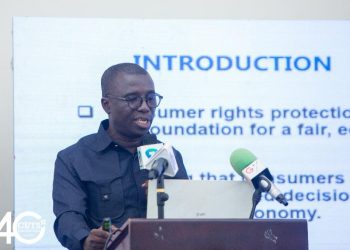
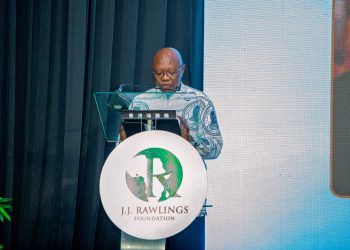
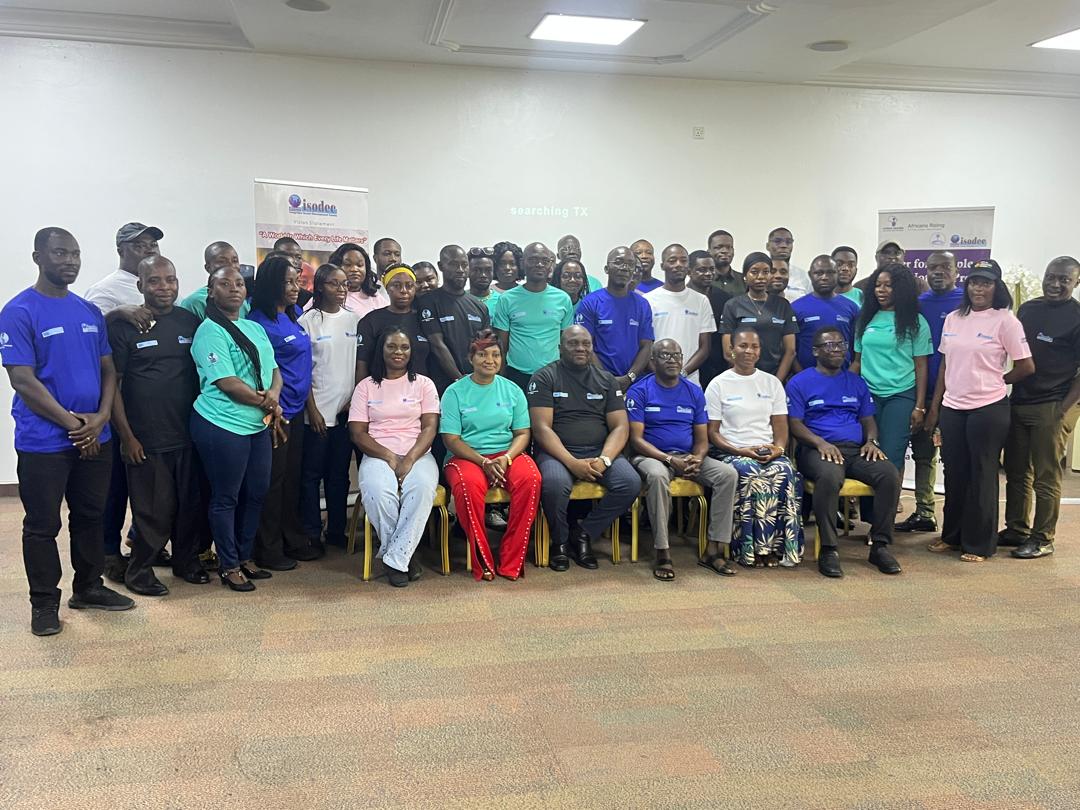
In a communiqué issued at the launch of the network in Accra on the theme, “Water for People, Not for Profit,” the organisation urged authorities to end water disconnections affecting households unable to settle their bills.
The GWJN said such disconnections disproportionately impact women and children and undermine the dignity and well-being of affected families.
“We advocate for inclusive, humane service delivery that prioritises dignity and access to all citizens,” the statement said.
The launch aimed to mobilise citizens and push for sustainable, long-term solutions to Ghana’s growing water crisis.
The organisation further called on the government to address investment gaps in the water sector by fully honouring budgetary commitments and expanding water services to underserved communities.
It also urged authorities to promote the active involvement of women in leadership and decision-making roles in water management while addressing the disproportionate burden water scarcity places on women and girls.
On environmental protection, the group called for the establishment and enforcement of water protection zones and the integration of catchment protection measures into spatial planning schemes.
The network also raised concerns over the impact of illegal mining, popularly known as galamsey, on the country’s water bodies.
“To combat the menace of galamsey, we urge the government to seize assets and prosecute financiers and equipment owners, support community-based river guards, and deploy satellite and drone surveillance systems to combat illegal mining,” the communiqué stated.
The GWJN further proposed the introduction of a national borehole drilling permit system, the creation of a central groundwater database, and the promotion of shared community borehole systems.
According to the organisation, many communities across Ghana continue to struggle with access to affordable and reliable water, especially in rural areas, peri-urban settlements, and low-income urban communities where residents endure long queues, irregular supply, and rising costs.
It noted that women and children often bear the greatest burden when water systems fail.
The group warned that the current situation threatens Ghana’s progress towards achieving Sustainable Development Goal Six, which seeks universal and equitable access to safe and affordable water for all by 2030.
Source: GNA