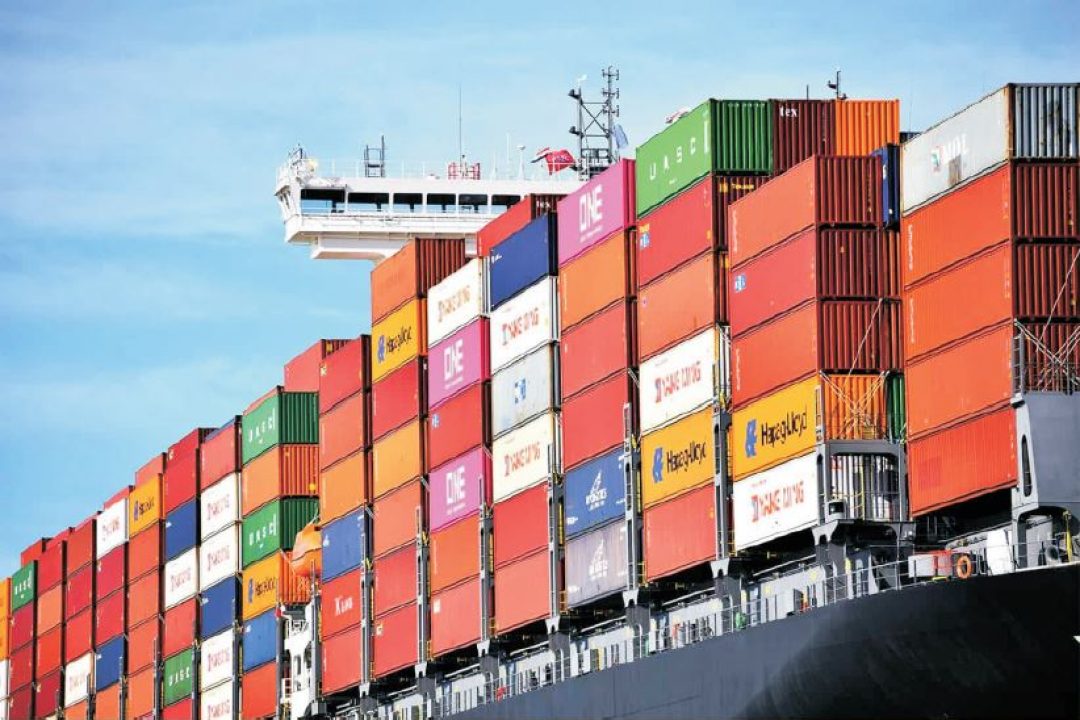
The Freight Forwarders Association of Ghana (FFAG) has welcomed the decision by the Bank of Ghana (BoG) to suspend the proposed 0.75% charge on wallet-to-bank transfers by pending further stakeholder consultations.
In a press statement signed by its President, Francis Nyarepe-Attipoe, on Tuesday, May 26, 2026, the association said the proposed charge by Mobile Money Fintech Ltd would have placed an additional financial burden on freight forwarders, transport operators, importers, exporters, and small businesses operating within Ghana’s port ecosystem.
According to FFAG, mobile money and digital financial transactions have become essential tools for freight forwarders in facilitating daily port and cargo clearance operations, including customs payments, port charges, transport coordination, supplier payments, emergency transactions, and cross-border trade settlements.
“The proposed 0.75% charge would have imposed a significant additional financial burden on freight forwarders, transport operators, importers, exporters, and small businesses operating within the port ecosystem,” the statement said.
The association further warned that the charges could slow transactional efficiency, increase the cost of doing business, and negatively affect Ghana’s trade competitiveness.
FFAG noted that the freight forwarding industry already operates within a high-cost environment characterised by multiple statutory charges, operational delays, and rising logistics expenses.
“Additional transaction costs on digital payments would inevitably be passed on to importers and consumers, with broader implications for trade facilitation and national economic activity,” the association stated.
The association described the Bank of Ghana’s intervention as a decision in the best interest of businesses, financial inclusion, digital trade growth, and the wider Ghanaian economy.
FFAG also called on Mobile Money Fintech Ltd and other financial sector stakeholders to engage more extensively with industry players before introducing policies with major operational and economic consequences.
“It is therefore important that any policy affecting these platforms be carefully evaluated through broad consultation, impact assessment, and industry consensus,” the statement added.