



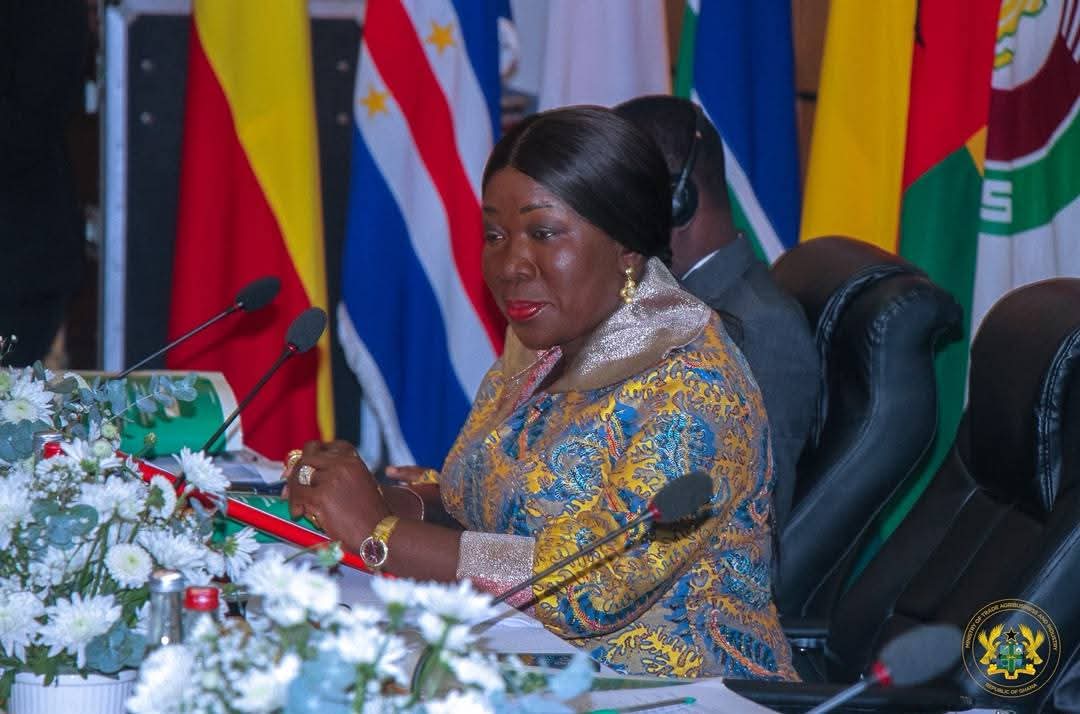
West African trade ministers have renewed calls for a coordinated industrialisation strategy centred on processing the region’s vast mineral resources locally, arguing that greater value addition is essential to unlocking economic growth and expanding trade across the continent.
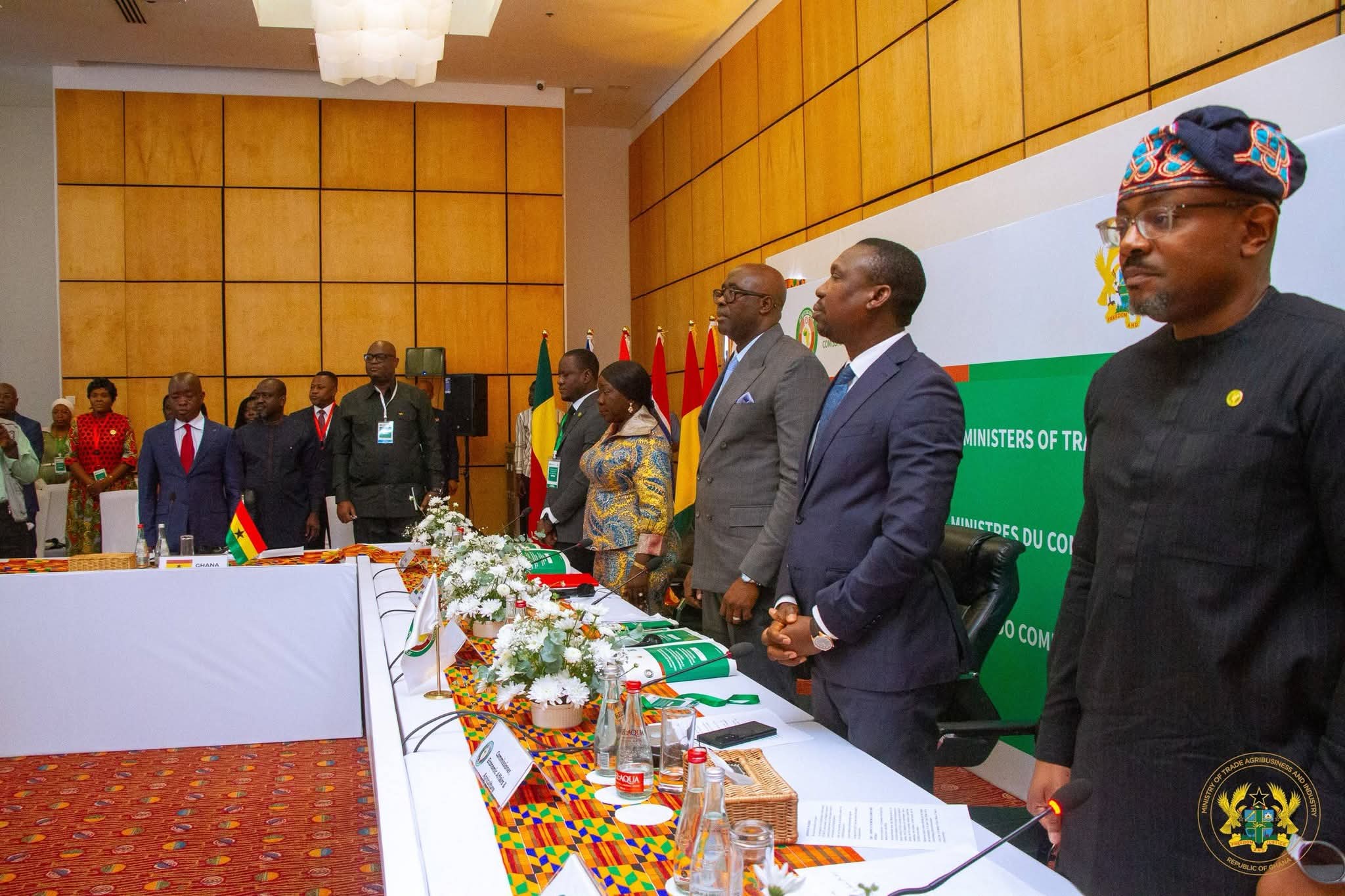
The call dominated discussions at the fifth Joint ECOWAS Meeting of Ministers of Trade and Industry in Accra, where policymakers stressed the need for member states to move beyond the export of raw materials and instead develop integrated industries capable of serving regional and international markets.
Opening the meeting, Ghana’s Minister for Trade, Agribusiness and Industry, Elizabeth Ofosu-Adjare, said Africa’s abundant deposits of gold, lithium, bauxite, manganese, iron ore and other minerals should become the foundation for industrial development rather than continuing to fuel manufacturing abroad.
She noted that despite the continent’s rich natural resources, much of its mineral wealth leaves African shores in unprocessed form, limiting opportunities for job creation, industrial expansion and economic transformation.
To reverse the trend, the Minister called for increased investment in manufacturing facilities, transport networks, storage infrastructure and harmonised trade standards. She also urged governments to tackle non-tariff barriers that continue to slow the movement of goods across borders.
The minister pointed to ECOWAS’ longstanding free trade framework as evidence that regional cooperation can work, saying lessons from the bloc’s duty-free trade regime should help accelerate implementation of the African Continental Free Trade Area (AfCFTA).
According to her, achieving the goals of AfCFTA will require stronger regional supply chains and common standards for quality assurance, packaging and certification. She emphasised that without such measures, businesses would struggle to fully benefit from the agreement’s tariff-free provisions.
Mrs Ofosu-Adjare further advocated greater digitalisation at border posts to reduce delays and improve efficiency, describing technology as a critical tool in addressing persistent trade bottlenecks.
“This shouldn’t be one of those meetings… we’ll come up with timelines and implementation targets… and Ghana will start implementation immediately to achieve results West Africans deserve,” Mrs Ofosu-Adjare said.
 Echoing those concerns, Nigeria’s Minister of Industry, Trade and Investment, Dr Jumoke Oduwole, said African countries must work collectively to end their dependence on exporting raw commodities and instead focus on building industries around their natural resources.
She argued that mineral beneficiation and industrialisation offer the most viable pathway for creating sustainable jobs and reducing economic dependence on commodity exports. According to her, closer collaboration among African governments is necessary if AfCFTA is to deliver meaningful benefits to citizens.
“Some countries have oil, others have gas, but factories need reliable power. We must solve the energy and infrastructure challenges together,” she noted, stressing that while countries possess different natural resources, industrial growth depends on reliable energy supply and efficient transport systems, making regional cooperation essential for long-term success.
The Nigerian minister challenged participants to focus on practical solutions that would enable African countries to jointly develop mineral resources and establish processing industries capable of competing globally.
Meanwhile, Chairperson of the ECOWAS Ministers of Trade and Industry and Commissioner for Economic Affairs and Agriculture, Alpha Ibrahim Sesay, underscored the urgency of translating policy discussions into concrete action.
He indicated that US$1.5 billion would be required to accelerate development across West Africa and pledged the Commission’s commitment to prioritising implementation over rhetoric.
“We are moving from policy documents to packaged implementation tools. ECOWAS is already funding that shift,” the Commissioner said
He urged member states to adopt practical measures capable of delivering tangible results, expressing confidence that decisions reached during the Accra meeting would help advance West Africa’s industrial transformation agenda and strengthen regional trade.




![Chief Executive Officer of Strategic Communications Africa Ltd (Stratcomm Africa), Ms Esther A.N. Cobbah [right]](https://www.citinewsroom.com/wp-content/uploads/2026/06/ESTHER-2-75x75.png)