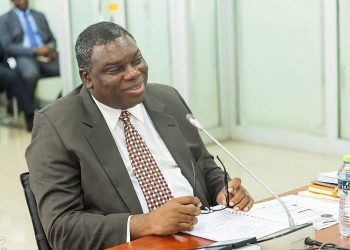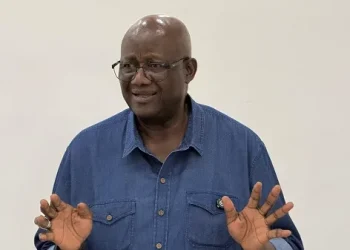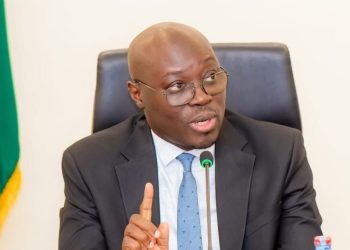
The persistent misuse of mineral royalty revenues by district assemblies is undermining development in Ghana’s mining communities, according to policy analyst and Co-Chair of the Ghana Extractive Industries Transparency Initiative (GHEITI), Dr. Emmanuel Steve Asare Manteaw.
Speaking to Citi News on the sidelines of a Natural Resource Governance Institute (NRGI) Media and Civil Society Capacity Building Workshop on addressing corruption risks in Ghana’s lithium value chain, Dr. Manteaw said findings from GHEITI reports consistently show that funds meant to drive development in mining areas are often spent on recurrent expenditures, with little long-term impact.
“The misuse of district shares of mineral royalties largely accounts for the reason we have not been able to transform our mining communities to the level we would have expected over the years,” he said.
Ghana’s mining sector generates significant revenues through royalties paid by extractive companies, with portions allocated to local authorities to support development in communities affected by mining activities.
However, Dr. Manteaw said many assemblies have failed to invest the funds in projects capable of delivering lasting economic and social benefits.
“We find through our GHEITI reports that the bulk of the community share of mineral royalties is expended on recurrent items. In fact, there have been instances where these royalties have been spent on funeral donations,” he disclosed.
He noted that some district assemblies have also used royalty revenues to hire chairs and canopies for public events, expenditures he described as unsustainable given the finite nature of mineral resources.
“There have been several instances where these revenues have been spent on hiring chairs and canopies for public events. When you treat revenues from a depleted and depletable resource like minerals in this manner, there is no way you can transform host communities,” he stressed.
Dr. Manteaw called for the introduction of clear guidelines to govern the use of mineral royalties arguing that a greater share of the funds should be directed toward capital-intensive projects that can benefit current and future generations.
“We need guidelines that will require these revenues to be spent more on capital expenditures and development projects that leave a legacy for communities, both for current and future generations,” he said.
His remarks come amid growing scrutiny of resource governance in Ghana and renewed efforts to strengthen transparency, accountability, and anti-corruption measures in the extractive sector, particularly as the country prepares to develop its emerging lithium industry.
Participants at the NRGI workshop underscored the importance of effective management of extractive revenues, saying communities hosting mining operations must see tangible benefits from the country’s natural resource wealth if the sector is to contribute meaningfully to local development.