



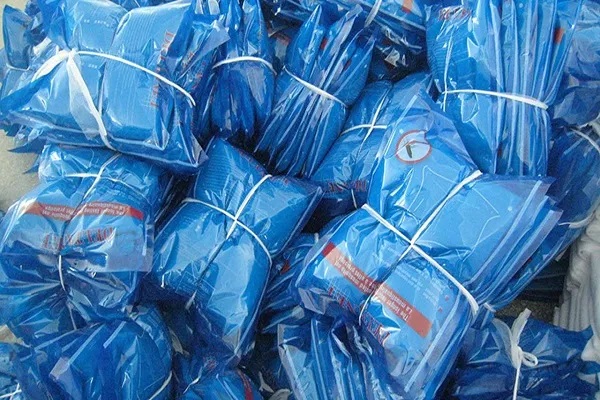
The Ghana Health Service (GHS) has dismissed claims circulating on social media that insecticide-treated mosquito nets being distributed to primary school pupils contain dangerous chemicals that pose health risks, describing the assertions as false and scientifically unfounded.
In a statement issued on Friday, June 26, the Service assured the public that the Interceptor G2 long-lasting insecticidal nets currently being distributed under Ghana’s malaria prevention programme are safe for use and have undergone rigorous international and local regulatory assessments before their approval.
The GHS explained that the nets contain two insecticides, chlorfenapyr and alpha-cypermethrin, which have been used in public health interventions globally for several years. It said both compounds are recognised by health and regulatory authorities and form part of the World Health Organization’s recommended tools for malaria control.
According to the Service, the Interceptor® G2 net has received full WHO prequalification and approval from Ghana’s Food and Drugs Authority (FDA), meeting all required safety standards for use by children, pregnant women, infants, and the general population.
Addressing concerns raised in the viral video, the GHS stressed that the insecticidal compounds in the nets have extremely low vapour pressure and do not become airborne. As a result, individuals sleeping under the nets breathe normal air rather than insecticide, making the claims of respiratory harm inaccurate.
“This implies that a person sleeping under this net breathes normal air not insecticide. Insecticide-treated nets have been used across Ghana and sub-Saharan Africa for several decades, and across all that time, not one documented case of respiratory illness has ever been linked to sleeping under a properly used ITN,” the statement added.
The GHS therefore urged parents and caregivers not to reject or dispose of the distributed nets, emphasising that they remain one of the most effective tools for protecting children against malaria, which continues to be a leading cause of illness and death among children in Ghana.
As part of its guidance, the Service advised households to air newly received mosquito nets in a shaded and well-ventilated area for up to 48 hours before first use to eliminate any mild odour associated with new nets. It also cautioned the public against sharing unverified health information on social media, warning that misinformation could undermine efforts to combat malaria and place lives at risk.
The Ministry of Health and the Ghana Health Service reaffirmed their commitment to safeguarding public health, insisting that every insecticide-treated net distributed through national campaigns has been thoroughly tested, approved, and verified as safe before reaching beneficiaries.





![Mrs Millicent Otoo-Provencal, Communications Manager at Mahogany Consult [right], presenting the award to one of the graduates](https://www.citinewsroom.com/wp-content/uploads/2026/06/MAHO-1-75x75.jpeg)








