Amidst the shimmering heat waves of the 10,000-acre Kasunya-Nyapienya nucleus farm, two hours north of Accra’s financial district, a profound structural realignment is taking place. At first glance, the operations of Agro Kings Limited present a masterclass in modern, mechanised agriculture: a fleet of delivery trucks, solar-powered infrastructure, and high-yield jasmine rice fields that are systematically disrupting Ghana’s $550 million rice import market.
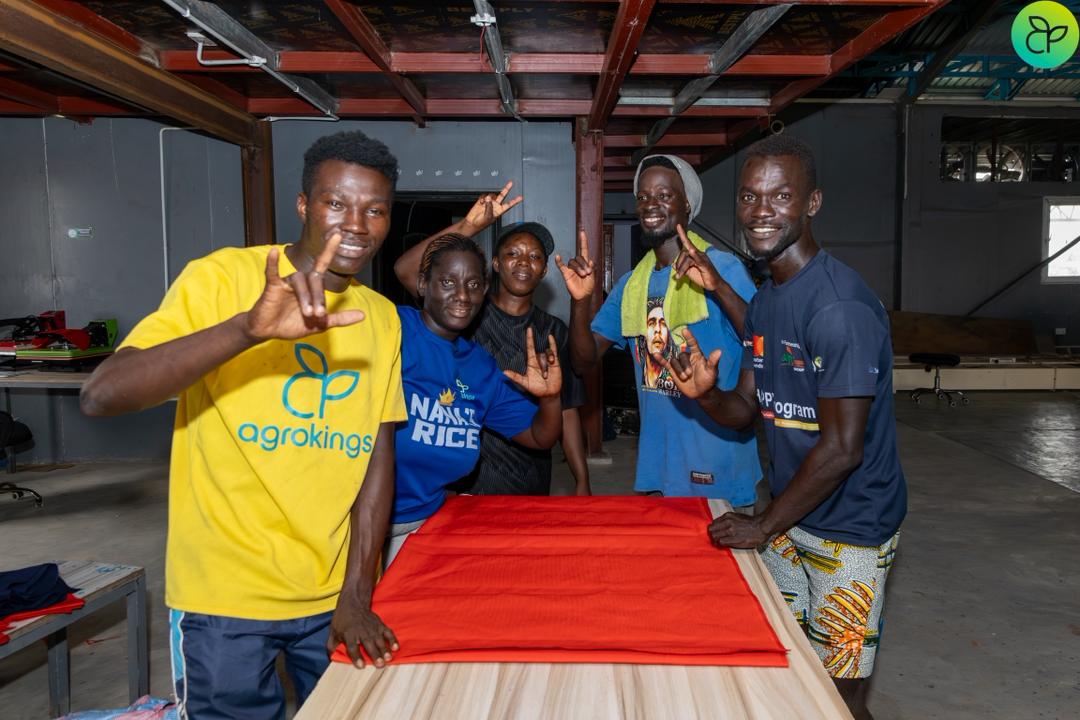
However, as you move deeper into the processing zones and administrative corridors, the most striking feature of this enterprise is not its machinery, but its quietude. It is a focused, rhythmic silence that defines the company’s most inspiring operational milestone.
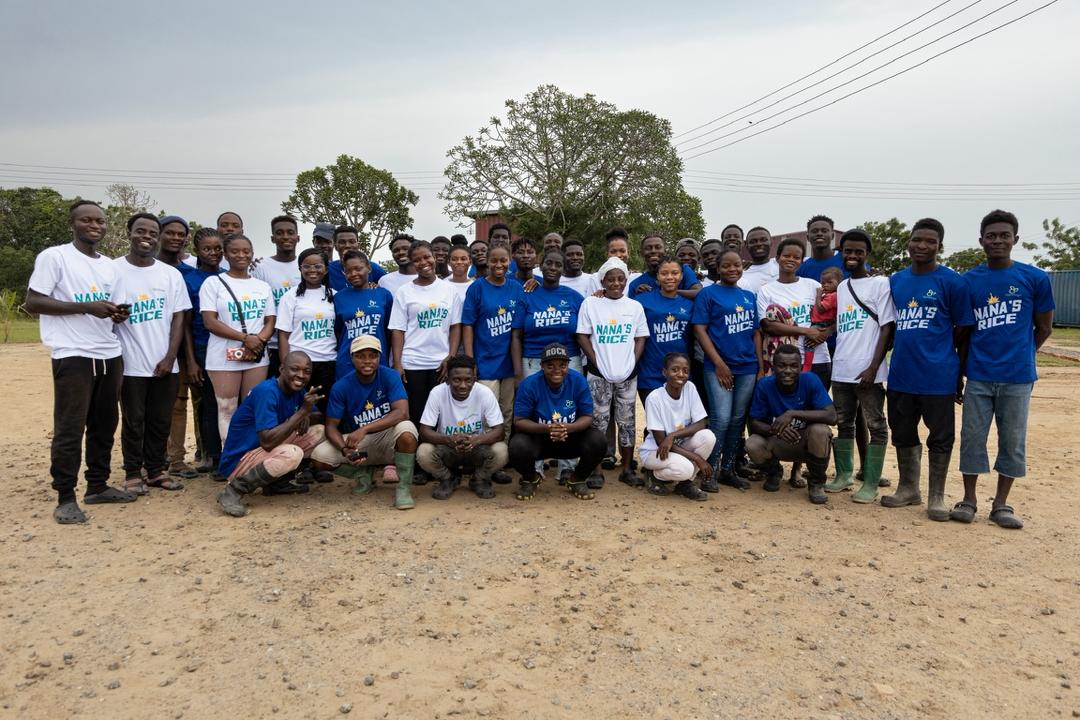
Out of a total workforce of over 480 personnel, Agro Kings has directly employed and integrated more than 80 young persons with disabilities (PWDs) the majority of whom are under the age of 35 and predominantly hearing-impaired. This is not a temporary charity project or a symbolic gesture of Corporate Social Responsibility (CSR). It is a core, sustainable operational model that has been seamlessly woven into the company’s daily mechanized farming, processing, and administrative workflows for over 18 months.
Inclusivity as a Business Strategy: The 16% Metric
For Chief Farmer, the integration of PWDs was never about corporate pity; it was a deliberate strategy of talent utilization. PWDs now comprise roughly 16% of the entire Agro Kings workforce, serving as a vital engine driving the company’s mission toward continental food security.
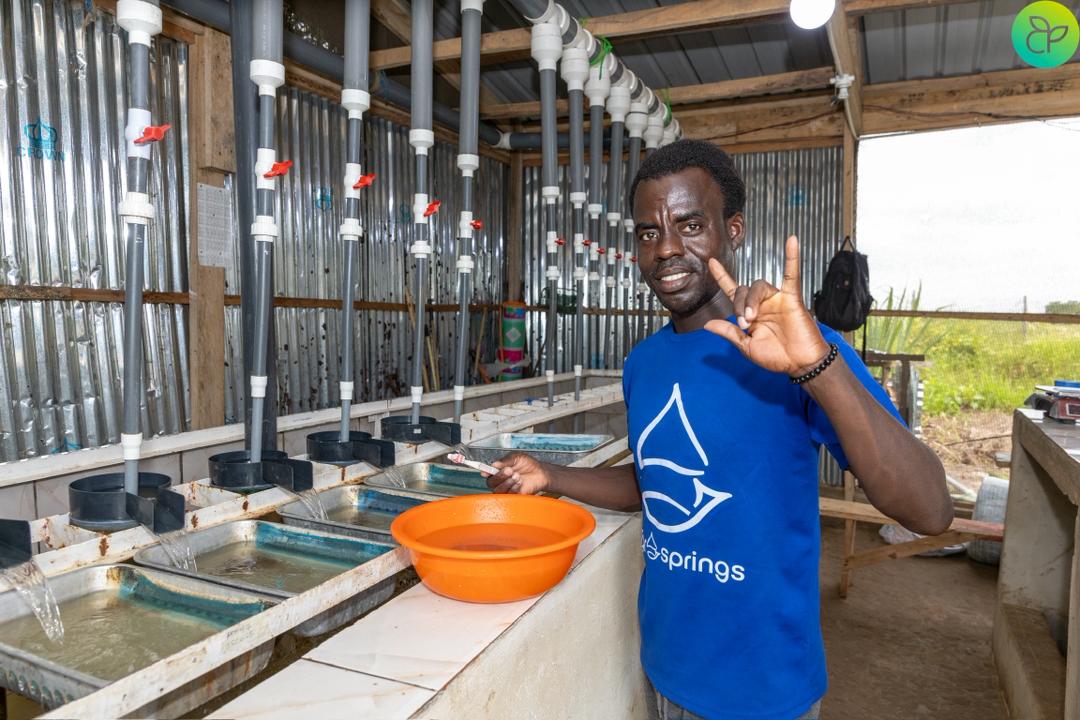
“When we build people, we build greatness,” Owusu-Achau notes, reflecting a leadership philosophy that prioritizes human capacity as the ultimate driver of commercial yields. The integration of 80+ hearing-impaired youth into a complex, high-stakes supply chain required more than just an open-door policy; it required a total transformation of corporate culture.
To bridge the communication gap, Agro Kings brought on a dedicated sign language interpreter. But the transformation went much deeper: the entire management team, supervisors, and Owusu-Achau himself have spent the last 18 months actively learning and using sign language to communicate with their team. This mutual adaptation ensures that a hearing-impaired worker on the 10,000-acre farm is not a peripheral participant, but a fully empowered operator in an environment where 95% of the staff is under the age of 35.
Redefining Leadership: The Management of Empathy
Owusu-Achau’s journey from real estate to agriculture was marked by early setbacks, including unsuccessful attempts at cattle and maize in 2015 and 2016 respectively. These failures taught him that technical expertise is only half the battle; the other half is the culture of the collective. By learning the language of his workers, Owusu-Achau has fostered a culture of deep empathy and loyalty that translates directly into operational efficiency.
In the high-tech ecosystem where the farm employs precision agriculture, data-driven monitoring, and drone technology the hearing impaired team members are central to the company’s success. They contribute to an operation that achieves yields of 5 tonnes per hectare, significantly outperforming the national average of 3 tonnes.
By empowering a doubly marginalized demographic youth under 35 who also navigate communicative barriers Agro Kings is proving that modern agriculture is a space of dignity and agency. This leadership approach treats inclusivity not as a cost center, but as a competitive advantage that reduces turnover and enhances the focus of the workforce.
A Cultural Vanguard in the Agri-Tech Space
The Agro Kings model is an extension of its broader commitment to demographic inclusivity. With over 70% of the overall management and more than 60% of the core farm management team being women, the company is already a vanguard for gender equity in a historically male-dominated sector.
The integration of the hearing-impaired cohort is the next evolution of this “people-first” architecture. It aligns with Owusu-Achau’s fundamental belief in the capacity of African youth to “leapfrog” traditional developmental barriers using technology and intentionality. Whether it is through the “Women in Agriculture Mechanisation” program which trains women in tractor operation and drone piloting or the daily use of sign language in the rice mills, the message is consistent: every individual has a role in feeding the future.
A Blueprint for Corporate Africa
As Agro Kings expands its flagship “Nana’s Rice” brand and eyes further global reach, its internal human capital model stands as a functional, highly replicable blueprint for the wider business community. The company’s vision is to develop innovative products and nurture talent from the center of the world to its ends creating a self-sustaining ecosystem that enriches lives globally.
The company has demonstrated that complete workplace integration is not only possible but beneficial to the bottom line. It challenges other corporate entities to move away from superficial diversity metrics and toward meaningful operational inclusion. By creating an environment where executives adapt to the language of their workers, Agro Kings has built a foundation for excellence that is as resilient as the rice it grows.
As the sun sets over the vast green expanses of Kasunya-Nyapienya, the “Sound of Inclusion” is the most resonant frequency on the farm. It is a testament to the fact that when a business is driven by more than just profit when it is driven by the desire to let “posterity smile on our time” it can turn a quiet field into a global beacon of progress.
In the silence of the mills and the focus of the fields, Agro Kings isn’t just growing rice; they are growing a more equitable Africa, one row at a time.