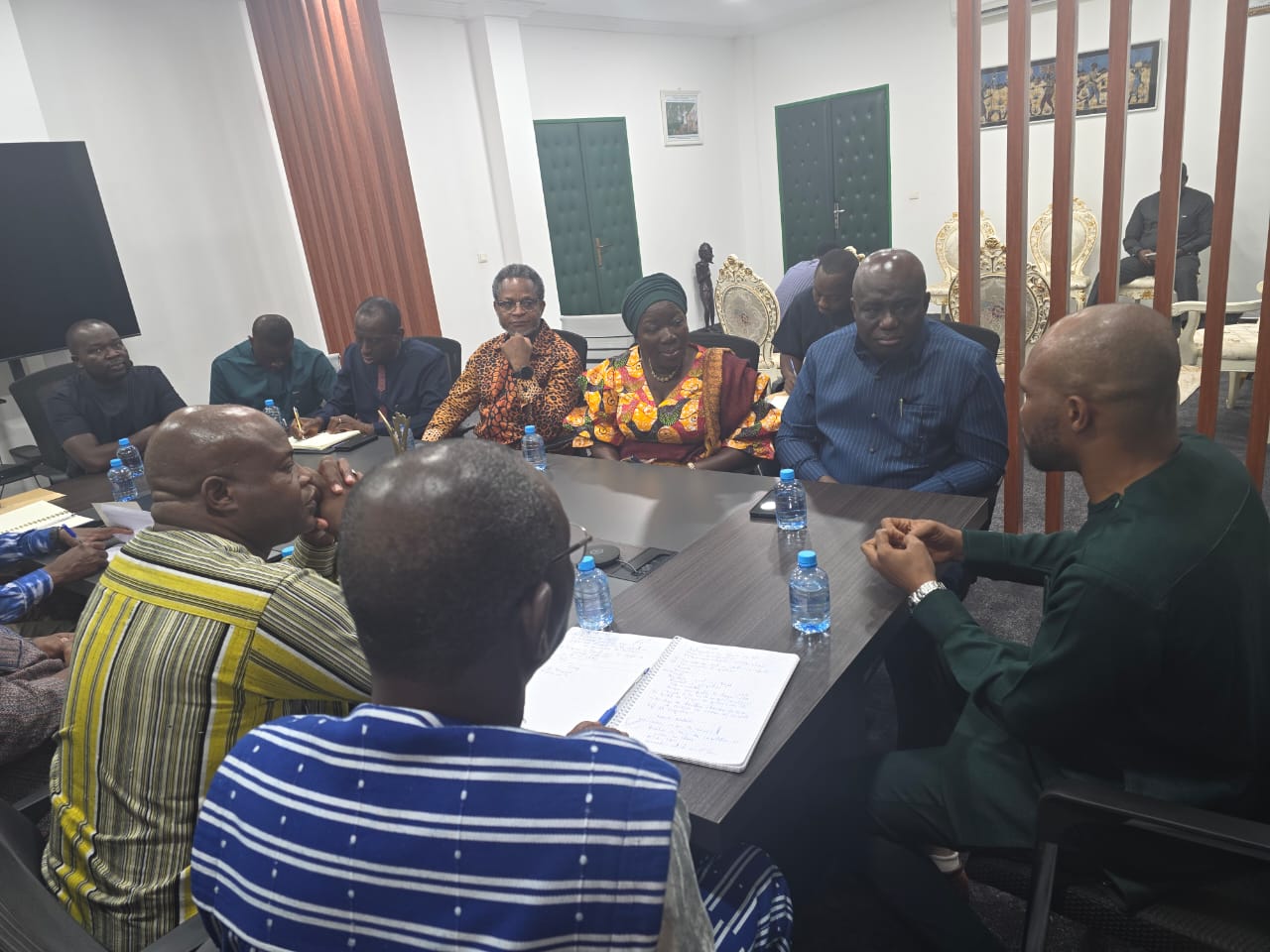
Ghana has secured the removal of restrictions on the export of eggs to Burkina Faso and the importation of tomatoes from the country, following engagements between officials of the two countries to strengthen bilateral trade.
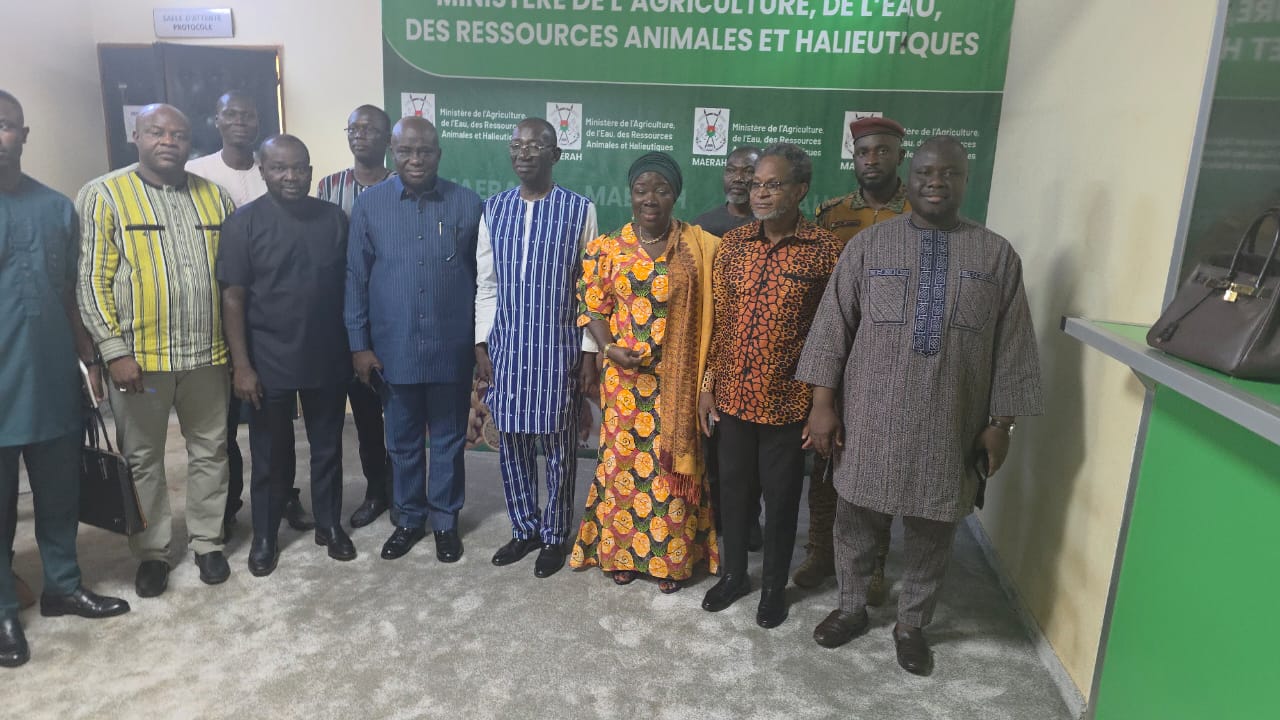
The agreement was reached after a high-level Ghanaian delegation, led by Minister for Trade, Agribusiness and Industry Elizabeth Ofosu-Adjare and Minister for Food and Agriculture Eric Opoku, held discussions with Burkina Faso authorities on Friday, July 17.
The two ministries said the outcome of the meeting provides relief for Ghanaian poultry producers and egg exporters, particularly those in the Dormaa area, whose exports had recently been affected by restrictions imposed by Burkina Faso.

Burkinabe authorities had introduced the restrictions as a precautionary measure following concerns over quality issues associated with eggs from some exporting countries.
In a press statement, the government assured the private sector that it remains committed to protecting the interests of Ghanaian traders and producers while promoting stronger trade relations with neighbouring countries.
The two countries have also agreed to establish a Joint Technical Committee to ensure smooth trade flows and promptly address any challenges that may arise.
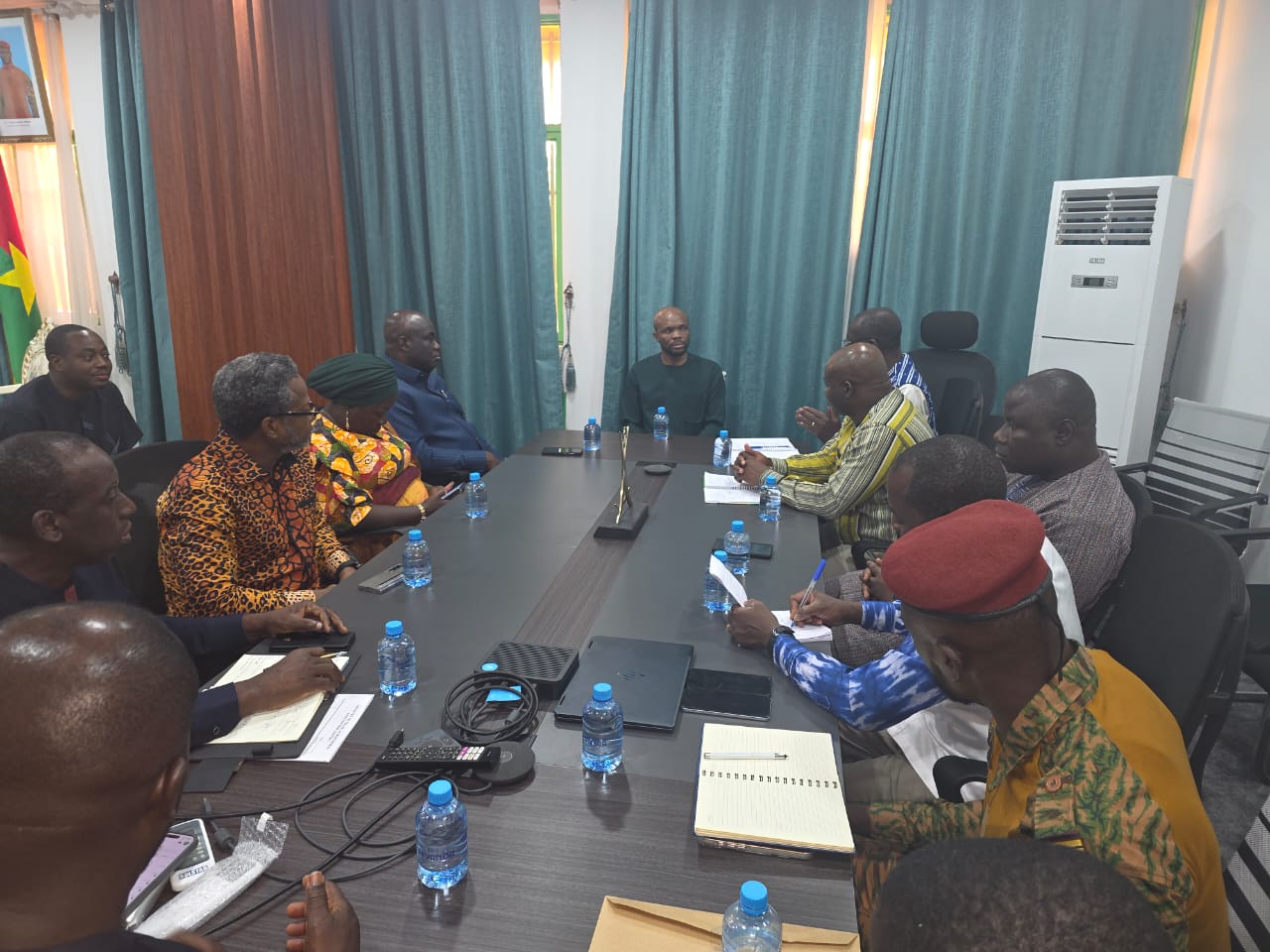
Additionally, Ghana and Burkina Faso are expected to work towards a Bilateral Trade Agreement aimed at strengthening economic cooperation, reducing trade barriers and improving market access for goods and services.
The engagement also covered Ghana’s participation in this year’s International Arts and Crafts Trade Fair (SIAO) in Burkina Faso. The Minister for Trade, Agribusiness and Industry informed Burkina Faso authorities that Ghana would present a high-level delegation to showcase locally made products and services.
Ghana’s exports to Burkina Faso have been on an upward trend, increasing from US$573 million in 2024 to US$637 million in 2025, according to the Ministry.
The Ghanaian delegation included Ghana’s Ambassador to Burkina Faso, HE Sem Kenneth Akibate, officials from the Embassy, technical representatives from the Ministry of Trade, Agribusiness and Industry, and members of the private sector, including representatives of egg exporters.
Both countries reaffirmed their commitment to ensuring that trade between them remains uninterrupted and beneficial to traders, producers and consumers on both sides.