A partnership between education policy think tank Eduwatch and AI start-up Kwame AI Inc. has opened up coding education opportunities for hundreds of students in underserved communities across Ghana.
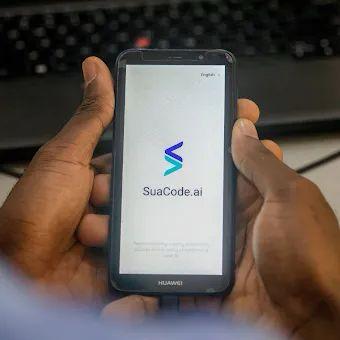
At the centre of the initiative is SuaCode, Kwame AI’s flagship application that allows students to learn coding using smartphones without the need for computers. The application is designed specifically for learners with limited access to digital infrastructure, making it a scalable solution for expanding digital literacy.
The collaboration aims to bridge the country’s digital skills gap, equipping Junior High Schools (JHS) students in underserved districts with practical programming knowledge using mobile technology. Formalised on August 14, 2025, the partnership resulted in the rollout and completion of two cohorts of coding trainees in November and December 2025.
Under the programme, 500 students from both public and private JHS across 10 districts, Akatsi North, Builsa South, Cape Coast, Asokore Mampong, Ga West, Kintampo North, Mfantsiman, Nkwanta South, Tain, and Tamale, were selected to receive coding training.
Eduwatch supported the rollout by coordinating with schools, teachers, and parents, and providing technical assistance to ensure smooth implementation.
Out of the 500 targeted learners, 429 students representing 86% were successfully enrolled on the SuaCode platform. Of these, 131 participants joined the November and December cohorts.
Programme data shows that about 60% of admitted students completed and graduated from the course, indicating strong engagement and retention among participants.
The initiative reached students across 50 JHSs, highlighting the potential of partnerships between civil society and technology firms in tackling educational inequality.
Stakeholders say the collaboration not only enhances access to coding education but also prepares young people in underserved communities for future careers in technology and innovation.