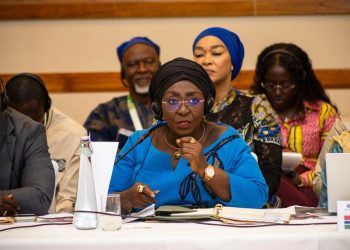
The Upper East Regional Minister, Akamugri Donatus Atanga, has announced plans to revive the inter-ethnic peace committee in Bawku as part of renewed efforts to help restore lasting peace in the conflict-hit area.
According to the Minister, the Regional Coordinating Council has already engaged the Regional Peace Council to begin discussions with local actors and community leaders aimed at promoting dialogue and reconciliation.
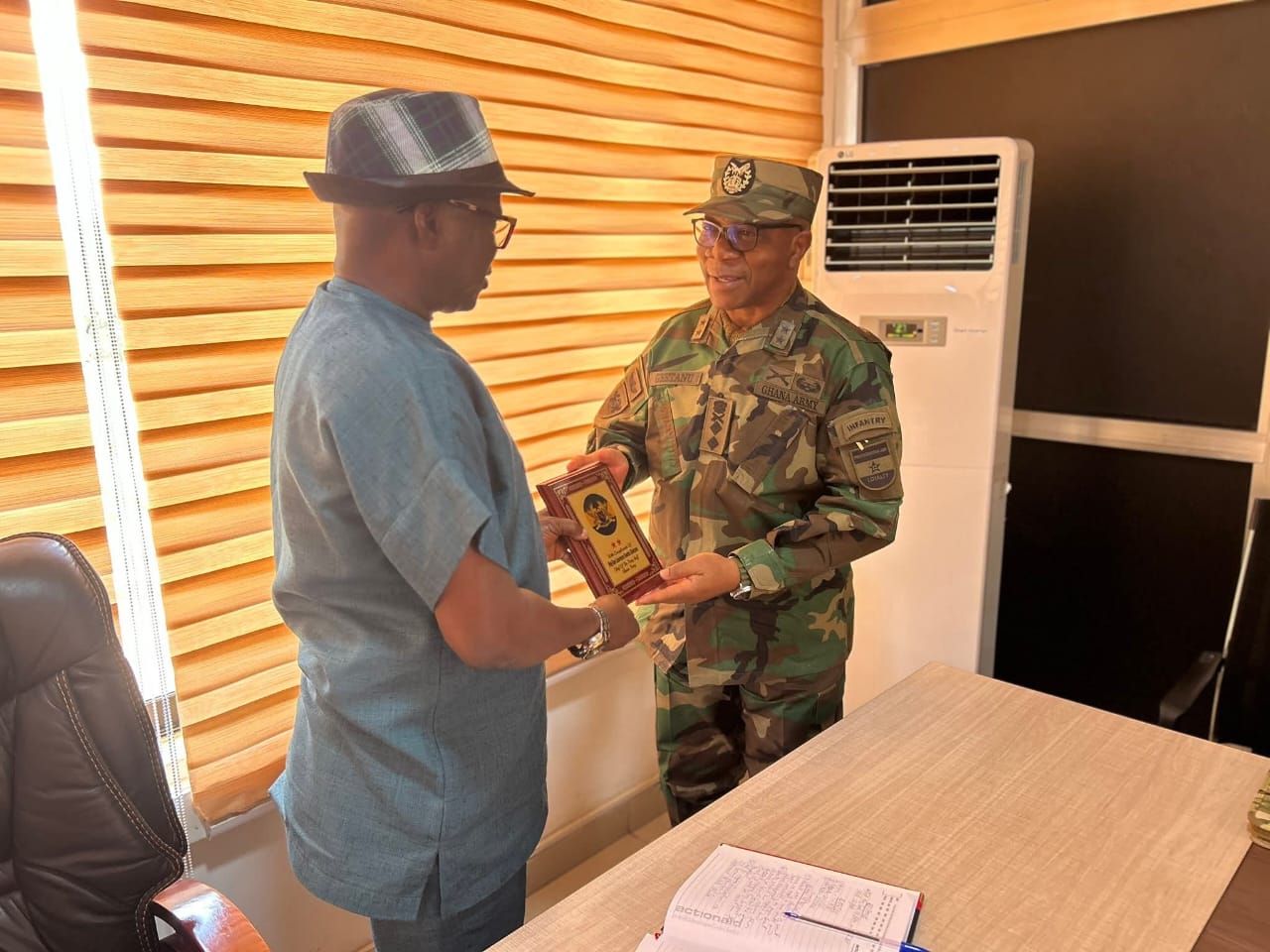
He disclosed this on Thursday, May 6, when the Chief of Army Staff, Major General Lawrence Kwaku Gbetanu, paid a courtesy call on him at the Upper East Regional Coordinating Council.
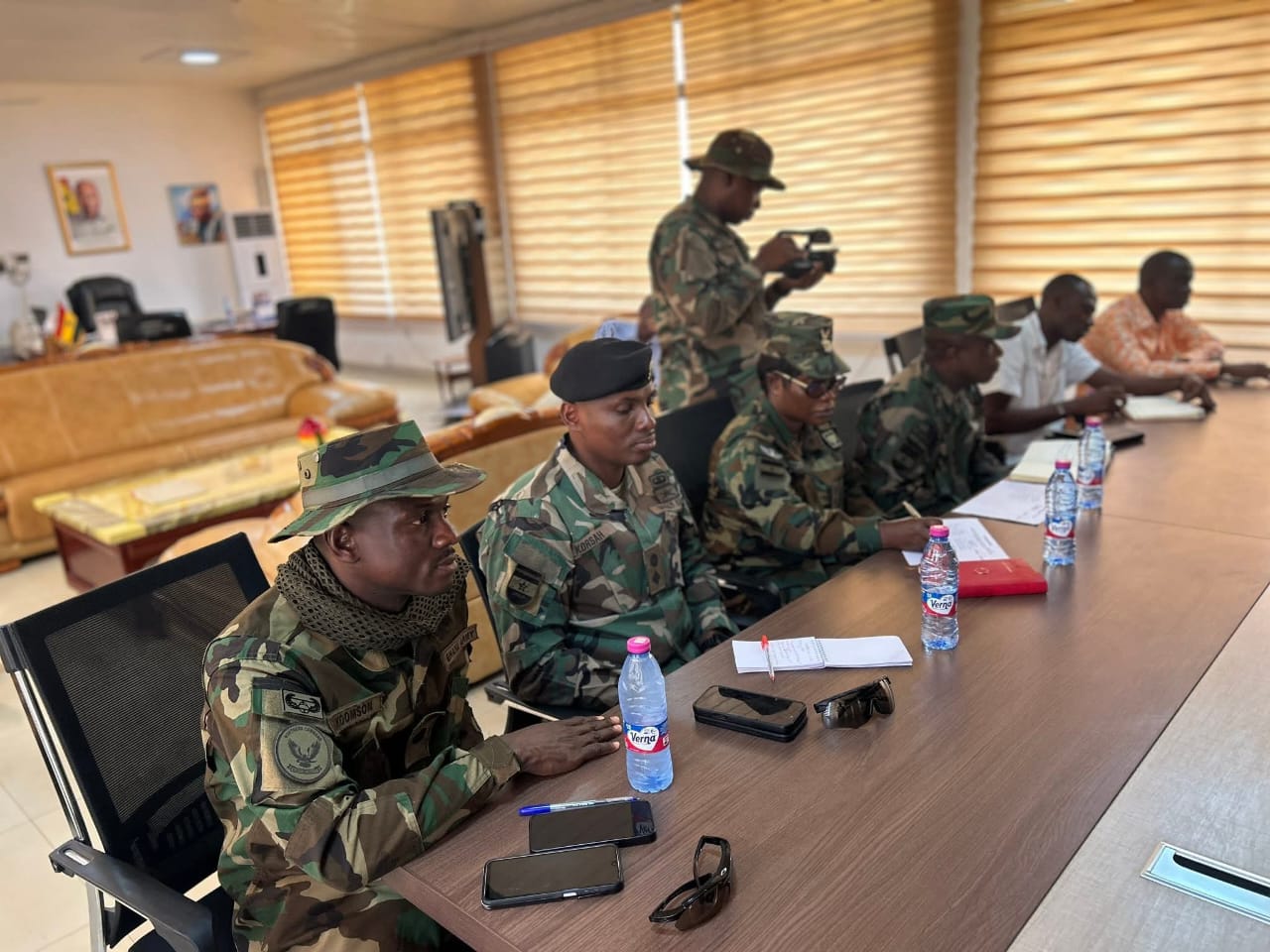 “We have engaged our regional peace council to begin some kind of negotiations, to reach out to individuals, to see how we can chart a new path,” the Minister said. “We are also looking at how we can revive the inter-ethnic peace council that was existing before, so that we can also be doing our bit.”
He noted that while the military had played a critical role in preventing the conflict from escalating, long-term peace would require the involvement of chiefs, politicians, opinion leaders and community members.
“They [the security agencies] can provide protection and prevent us from open conflict, but when you want to really resolve and integrate properly, you need the other actors and the people on the ground,” he stated.
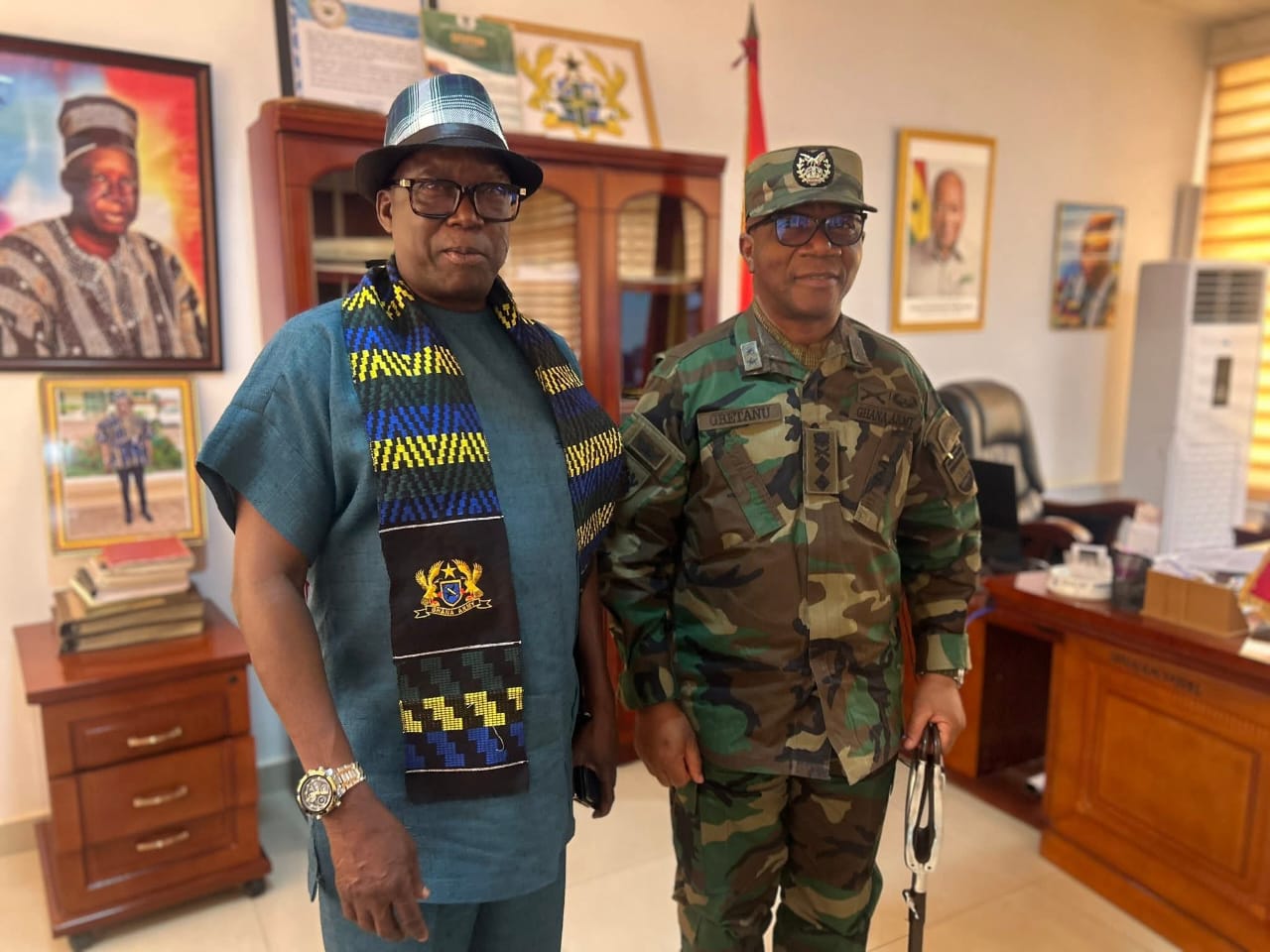 The Regional Minister commended the military and other security agencies for their sacrifices in maintaining peace and protecting lives in the region, especially in Bawku.
“We are particularly happy about your intervention in Bawku because it became something we could not contain if not for the intervention of the military,” he said.
The Minister also called for stricter enforcement of curfew regulations in Bawku, expressing concern about continued reports of gunshots during curfew hours.
“When a curfew is imposed, and people still go ahead firing gunshots, it incenses the ground for people to continue the conflict,” he said, adding that effective enforcement could help reduce tensions.
Responding, the Chief of Army Staff, Major General Lawrence Kwaku Gbetanu, agreed that the revival of the inter-ethnic peace committee was important to ongoing peace efforts.
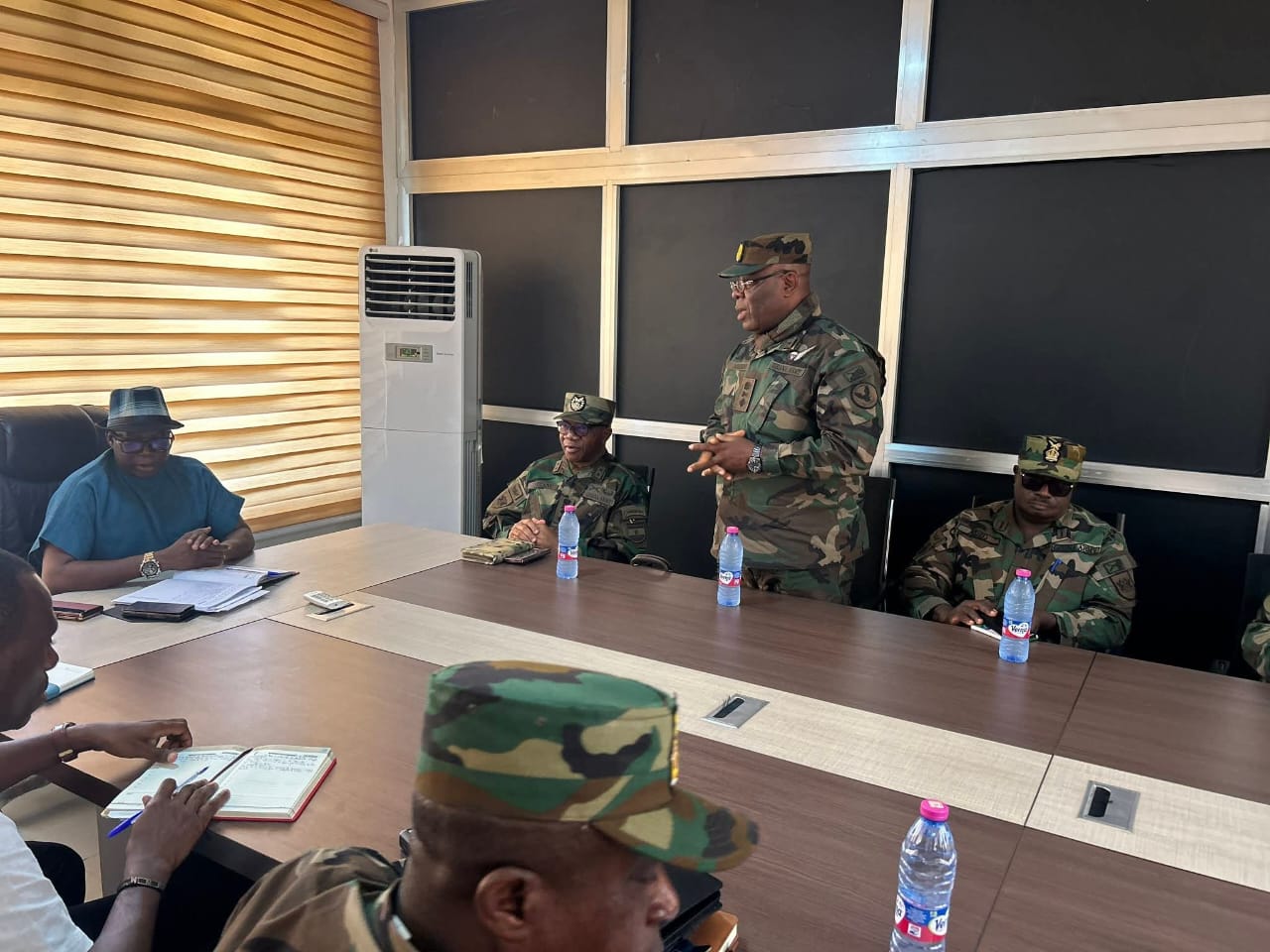 “The inter-ethnic peace council, it is good you mentioned it. I think it is a very critical structure,” he said.
Major General Gbetanu stressed the need for continuous engagement with the youth to desist from attacking military convoys during operations, warning that soldiers are trained to respond immediately to threats during such incidents.
The Army Chief also indicated that the mediation process in Bawku had recognised a traditional authority in the area, stressing the need for all stakeholders to work together toward peace.
“We have a situation where, with the mediation that took place, there is a recognised traditional authority for the place, so we should be seen to be working together,” he said.
He disclosed that during an earlier visit to Bawku, he met the Bawku Naba and appealed to traditional authorities to caution the youth against attacking military convoys during operations.
“The military or the security services alone cannot resolve the issues in the region. It needs political intervention,” Major General Gbetanu added.