• About Us
  • Privacy Policy
  • Terms of Use
  • Breaking News
  • Explainers
  • Listen Live
Sunday, June 28, 2026
Citinewsroom - Comprehensive News in Ghana
Advertisement
  • Home
  • News
    • Regional News
      • Ahafo Region
      • Ashanti Region
      • Bono East Region
      • Bono Region
      • Central Region
      • Eastern Region
      • Greater Accra Region
      • Northern Region
      • North East Region
      • Oti Region
      • Savanna Region
      • Upper East Region
      • Upper West Region
      • Volta Region
      • Western Region
      • Western North Region
  • Sports
    • World Cup
  • Politics
  • Business
  • Entertainment
  • Articles
  • Explainers
  • Editorials
No Result
View All Result
Citinewsroom - Comprehensive News in Ghana
  • Home
  • News
    • Regional News
      • Ahafo Region
      • Ashanti Region
      • Bono East Region
      • Bono Region
      • Central Region
      • Eastern Region
      • Greater Accra Region
      • Northern Region
      • North East Region
      • Oti Region
      • Savanna Region
      • Upper East Region
      • Upper West Region
      • Volta Region
      • Western Region
      • Western North Region
  • Sports
    • World Cup
  • Politics
  • Business
  • Entertainment
  • Articles
  • Explainers
  • Editorials
No Result
View All Result
Citinewsroom - Comprehensive News in Ghana
No Result
View All Result

Ghana losing billions of dollars to car imports – Prof. Turkson

Abigail ArthurbyAbigail Arthur
June 25, 2026
Reading Time: 2 mins read
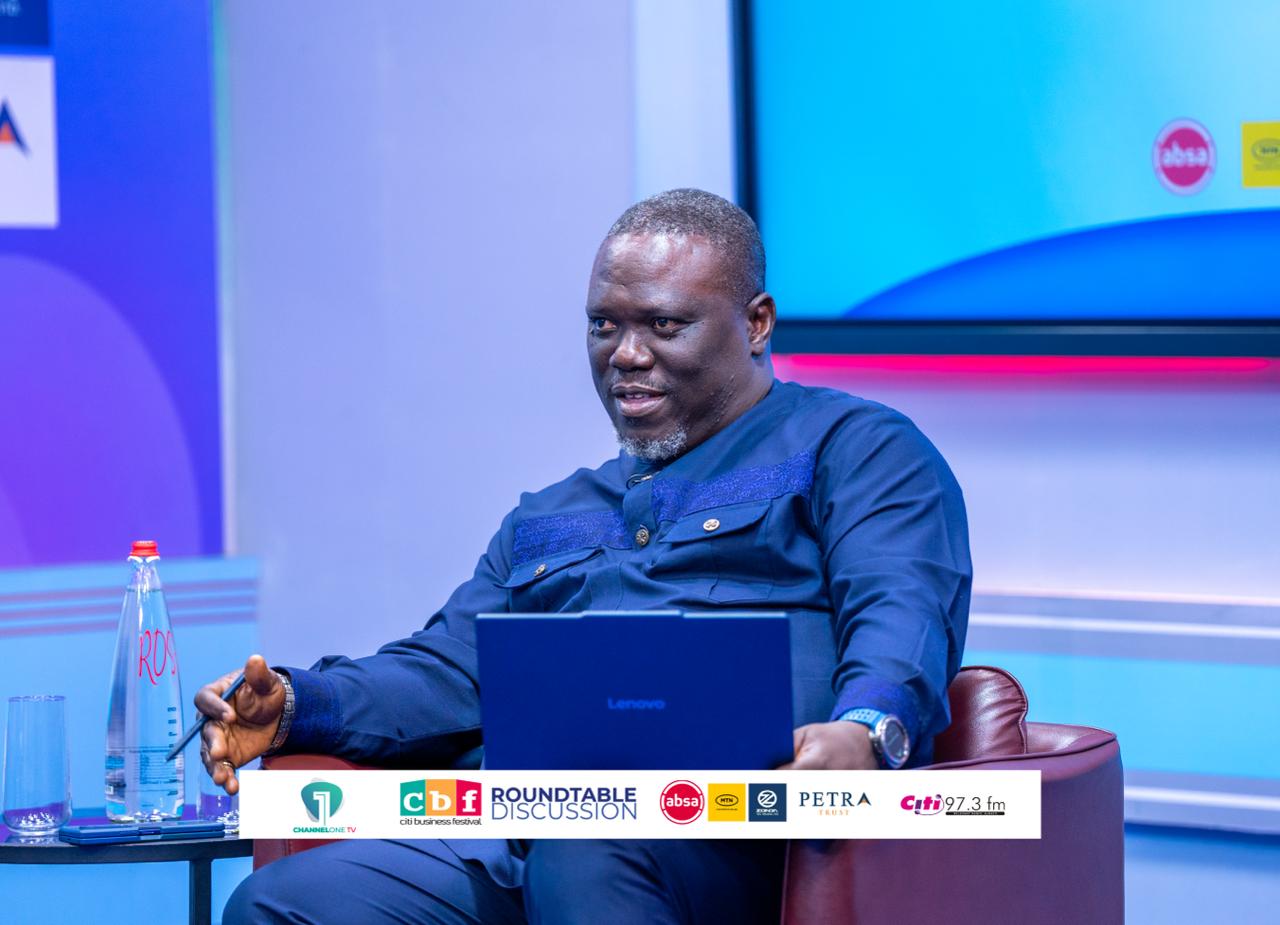
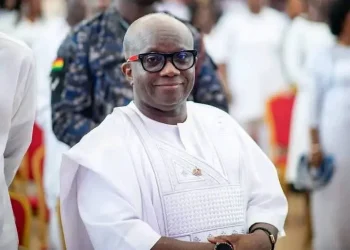
An Economist at the University of Ghana, Prof. Ebo Turkson

An Economist at the University of Ghana, Prof. Ebo Turkson

ShareShareShareShare

An Economist at the University of Ghana, Prof. Ebo Turkson, says Ghana’s automotive assembly industry could significantly reduce the country’s import bill and expand jobs across multiple sectors if stronger incentives are introduced to boost demand and support related industries.

Speaking at the Citi Business Festival 2026 on Thursday, June 25, on the theme, “Driving Ghana Forward: The State of the Automotive Assembly Industry and its Contribution to the Economy,” Prof. Turkson said Ghana’s industrialisation drive is aimed at cutting dependence on imported vehicles, but current market conditions are limiting the impact of the policy.

According to him, Ghana continues to spend heavily on vehicle imports, creating a major opportunity for local manufacturers if demand is redirected.

“In 2025, we imported close to three billion dollars of used cars and new cars into this country,” he said.

He argued that even partial substitution of imports with locally assembled vehicles would create a strong domestic industry with wide economic benefits.

“Supposing half of it is produced here, that is 1.5 billion dollars in industry for these six companies,” he noted.

Prof. Turkson stressed that the real challenge is not capacity, but underutilisation of existing assembly plants, which are currently operating below optimal levels.

“They have the capacity. They are producing at very low capacity,” he said.

He explained that increasing production and demand would not only benefit car manufacturers but also stimulate growth in related sectors such as logistics, transport services, vehicle dealerships, insurance, banking, and auto repair businesses.

“When they produce at even optimal capacity, it will generate a lot of output of cars in Ghana and then the allied industries will benefit from it,” he stated.

Prof. Turkson called for a broader incentive framework that goes beyond manufacturers to include supporting industries, arguing that this would help unlock investment and accelerate the sector’s growth.

“What we need to also do is to provide an incentive structure not only for those who are selling their cars but for these allied industries to get investment to kick into that,” he said.

He maintained that strengthening the automotive value chain is central to Ghana’s industrialisation agenda and long-term economic transformation, particularly in reducing foreign exchange pressure from vehicle imports.
Tags: carGhanaGhana Newslocal auto plantsProf Turkson
ShareTweetSendSend
Previous Post

Prof. Ebo Turkson calls for mandatory state procurement of locally assembled vehicles

Next Post

Sentuo Oil Refinery to refine 100,000 barrels per day – Energy Minister

Related Posts

Refuse at Kaneshie
Featured

Waste piles up across parts of Accra as landfill sites reach capacity

June 28, 2026
Featured

Legal education reforms must build customary law competence – Justice Ackaah-Boafo

June 28, 2026
Featured

NPP questions age, cost of gov’t’s refurbished locomotive acquisition

June 28, 2026
Some members of the graduating class
Featured

Regional Maritime University graduates 368 students across various disciplines

June 28, 2026
Minister of Education, Haruna Iddrisu
Featured

Govt to recruit 50 Arabic teachers by end of July

June 28, 2026
File image
Featured

GJA condemns alleged assault on Obaatanpa Radio Producer

June 28, 2026
Next Post
Energy and Green Transition Minister John Abdulai Jinapor

Sentuo Oil Refinery to refine 100,000 barrels per day – Energy Minister

ADVERTISEMENT
Citinewsroom - Comprehensive News in Ghana

CitiNewsroom.com is Ghana's leading news website that delivers high quality innovative, alternative news that challenges the status quo.

Archives

Download App

Download

Download

  • About Us
  • Privacy Policy
  • Terms of Use
  • Breaking News
  • Explainers
  • Listen Live

© 2024 All Rights Reserved Citi Newsroom.

No Result
View All Result
  • Home
  • News
    • Regional News
      • Ahafo Region
      • Ashanti Region
      • Bono East Region
      • Bono Region
      • Central Region
      • Eastern Region
      • Greater Accra Region
      • Northern Region
      • North East Region
      • Oti Region
      • Savanna Region
      • Upper East Region
      • Upper West Region
      • Volta Region
      • Western Region
      • Western North Region
  • Sports
    • World Cup
  • Politics
  • Business
  • Entertainment
  • Articles
  • Explainers
  • Editorials

© 2024 All Rights Reserved Citi Newsroom.