The Chief Executive Officer of the Association of Ghana Industries (AGI), Seth Twum-Akoaboah, has urged the government to proceed cautiously as Ghana prepares for the anticipated exit of the International Monetary Fund (IMF) programme in the coming months.
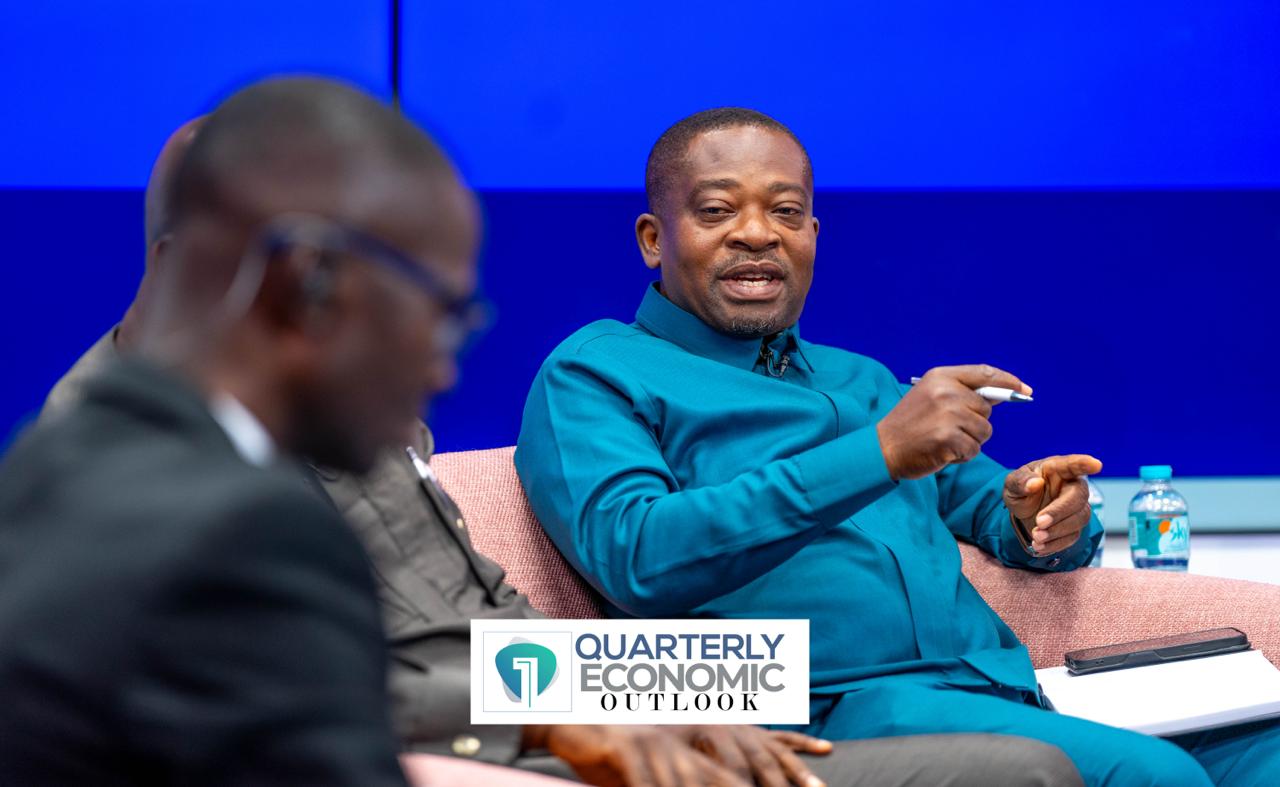
Speaking at Channel One TV’s Quarterly Economic Outlook on Monday, April 27, 2026, he said recent macroeconomic stability and improved investor confidence must be sustained, warning that the end of the IMF programme could introduce fresh uncertainties.
“Going forward, we need to tread cautiously. With the IMF exiting in the next couple of months, what then is the implication? We’ve gained so much confidence in the system. We’ve encouraged people to invest now.
“The government has done very well in managing the economy in a very prudent manner. That has brought confidence. If the IMF exits, what is the implication?” he asked.
He stressed that sustaining investor confidence after the programme ends would be key to protecting economic gains.
Mr Twum-Akoaboah also called for a deliberate shift towards import substitution and expanded local production, arguing that Ghana’s exposure to global shocks makes the strategy necessary.
“So we want to see that also manifesting. And then how do we also make imports—import substitution arrangements? I think that as a country, if you want to make gains out of these reforms and the costs that we are absorbing, it means that we must find a way to improve local production and reduce our imports so that we aren’t always at the mercy of the international market.
“The slightest shock, you feel it. Let’s increase local production. There are so many ways of doing that,” he said.
He further identified access to affordable long-term financing as a major challenge facing Ghana’s industrial sector, noting that existing financial institutions are not adequately structured to support medium- to long-term funding needs.
“I think what we are lacking in the system is the kind of funding that will give loans to businesses, medium to long term. For industry, they need medium to long-term funding,” he said.
Citing institutions such as EXIM Bank, Development Bank Ghana, and the National Investment Bank, he called for a review of their lending portfolios to ensure more support goes to the productive sector.
“Exim Bank is there, Development Bank has been introduced, the NIBs are there. We have to examine their operations to see what percentage of their money or portfolio is going to the real industrial sector,” he noted.
He added that interest rates from development finance institutions should reflect broader market trends, especially following recent declines in commercial lending rates.
“Exim Bank, for example, they’re always offering much lower interest rates. Now that the interest rate has dropped, what rate are they offering now? We need to know whether it is in tandem with the fall in the general interest rate? If it is, then that’s fine. But if at the point they were lending at 12% and the commercial rate was at 30%, now that it’s fallen to 17% to 15% or 16%, the rate must come down to like 6%,” he added.