Farmers in the Nanumba North Municipality of the Northern Region have expressed concern over the devastating impact of a prolonged dry spell on their crops.
According to the farmers, crops such as yams, maize, groundnuts and okro have been severely affected by the lack of rainfall.
They fear crop yields could drastically decline if the rains continue to delay, warning that the situation may eventually lead to food shortages.
The effects of climate change continue to disrupt rainfall patterns in northern Ghana, with farmers in the area now experiencing the impact firsthand.
For the past three to four years, farmers say inconsistent rainfall has negatively affected farming activities and crop production across the municipality.
Many farmlands remain dry, leaving farmers anxious about the future of the farming season.
In previous years, yam farms would by now be flourishing, with farmers preparing to harvest new yams by July. However, by mid-May this year, many farmers say they are yet to begin planting because of the lack of rainfall.
Those who have already planted say they are uncertain whether their crops will survive the prolonged dry conditions.
Crops such as maize, groundnuts and okro, which ordinarily would have shown significant growth by this period, have also been affected, with many farmers still unable to plant.
Speaking to Channel One News, some farmers recounted the challenges confronting them.
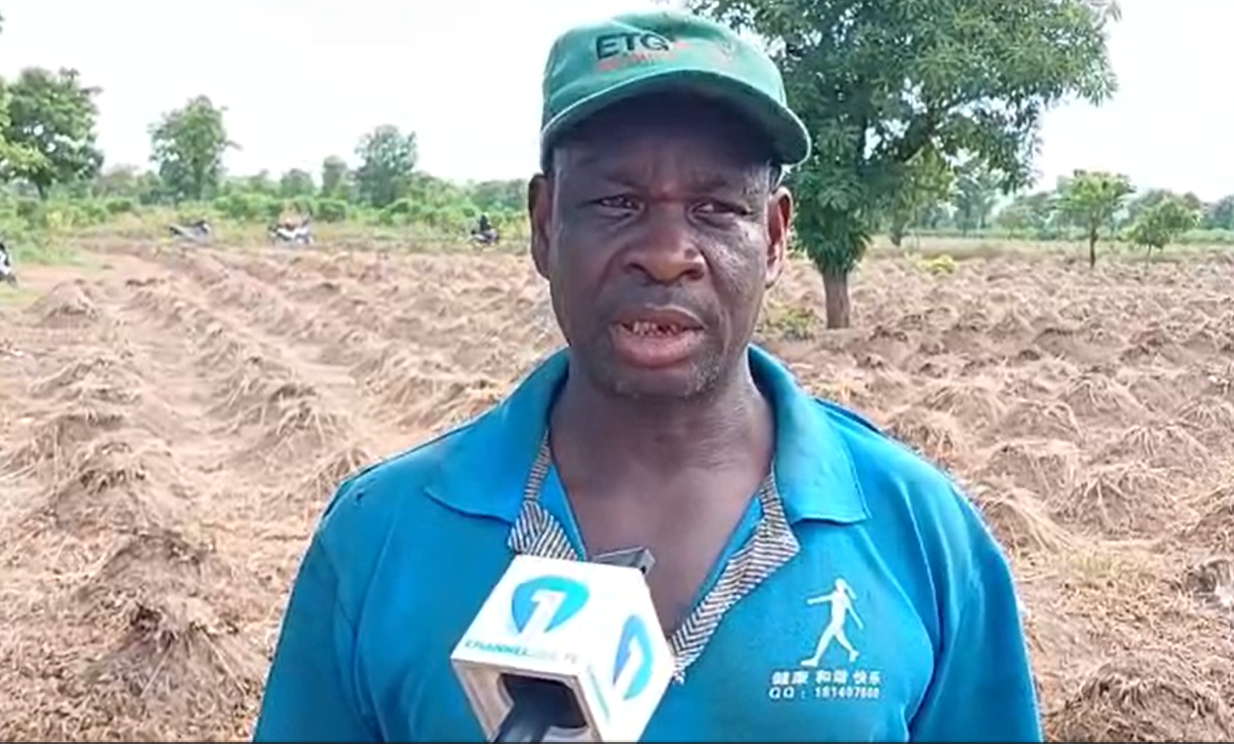
A farmer, Imoro Salifu Yours, said the delay in rainfall has disrupted farming activities and left many farmers worried about their livelihoods.
“It has a lot of effect on farmers. This means that those who will farm early may not be able to get yields unless they apply fertilisers. The poor farmer who cannot get fertilisers may not be able to farm,” he said.
Another farmer, Wumbei Sulemana Opijua, said many farmers risk losing their investments if the rains fail to arrive soon.
“The weather is dry to the extent that yams cannot sprout, and if they don’t germinate now, many of them will be rotten. You can’t have a replacement when they rot, and that means a failure for the year. We’re at the mercy of Almighty Allah,” he stated.
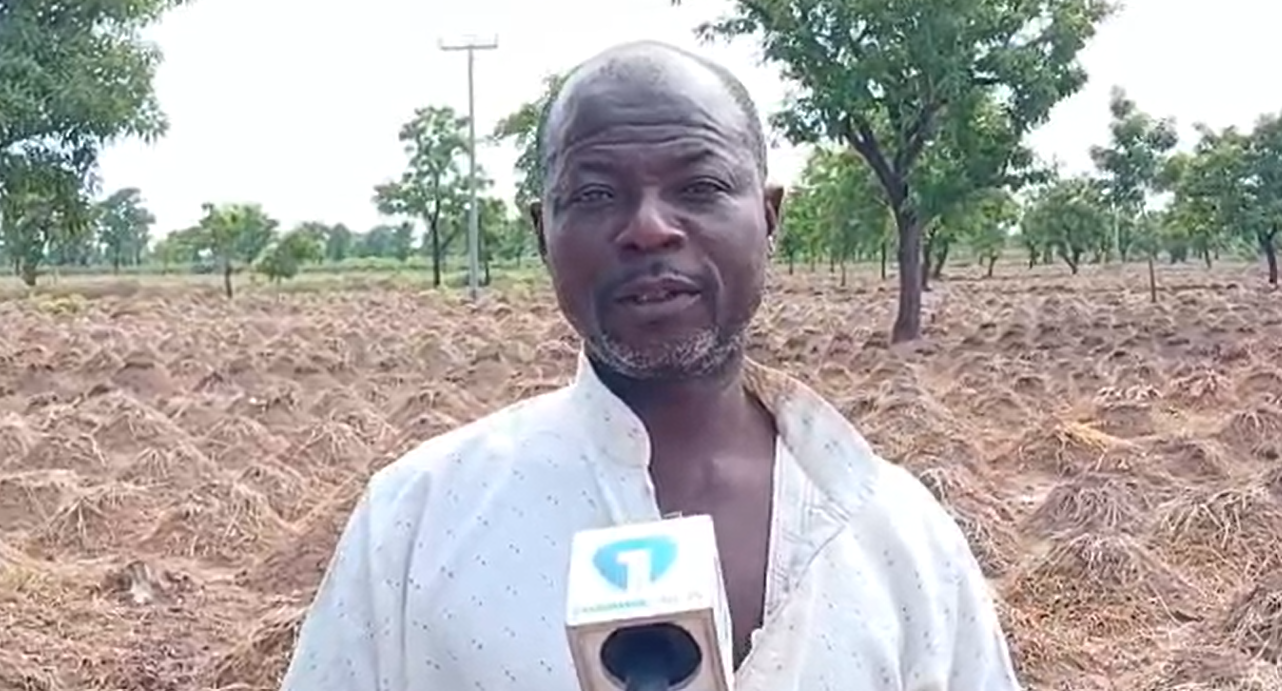
Salifu Abukari also expressed concern that the continued dry conditions could affect food production in the area.
“The impact is great, we’re suffering,” he said.
Despite the challenges, the farmers said they still intend to cultivate maize this season but have been unable to do so because of the prolonged dry spell.
According to them, maize is usually cultivated twice a year, and by this period, the first planting season should have been completed.
They explained that the first planting season often requires little or no fertiliser, making it more affordable for many low-income farmers.
The second planting season, usually around July and August, requires fertiliser and is therefore more expensive.
The farmers fear that if the dry spell persists, the country could face food shortages in the near future.